NEWS

Home NEWS

☎ 312-532-6435

Drain сleaning serviсe, clogged drain, sewer cleaner, IL


Why April Is Peak Failure Season for Sump Pumps

Why April Is Peak Failure Season for Sump Pumps


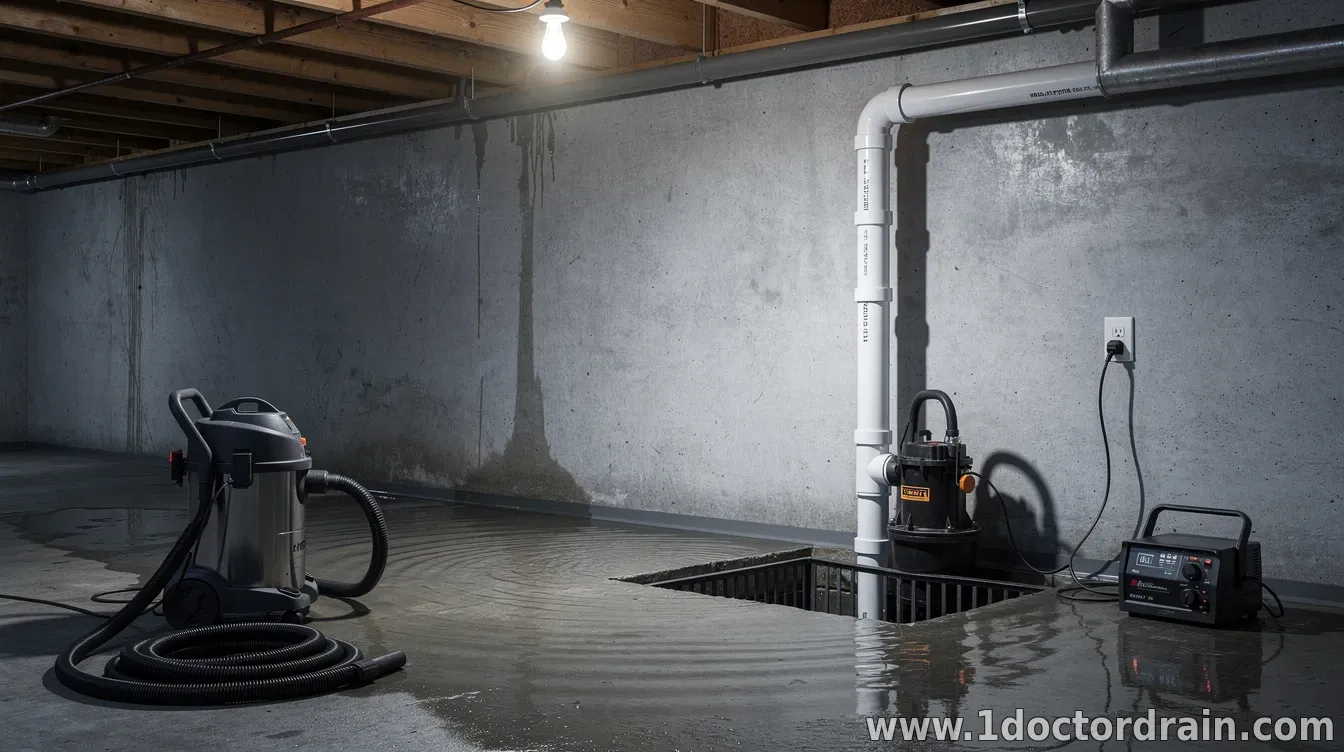
April earns a reputation as sump pump “failure season” because it aligns with spring thaw: melting snow, rising groundwater, and more frequent downpours after months of frozen ground. Even when a pump has worked reliably all winter, the sudden change in water volume and soil conditions can expose weaknesses—especially when maintenance has slipped.


For homeowners, the risk isn’t just that the pump will run more often. It’s that the system may be unable to move water efficiently when it matters most.


Spring melt increases water pressure and pump run time


During winter, groundwater movement is often reduced by frozen soil. When temperatures climb, that stored moisture releases. The result can be a rapid rise in water levels around foundations, causing the sump to fill faster and forcing pumps into longer or more frequent cycles.


If a pump’s capacity is mar ... Read more »


Added: admin 07/17/2026 into the category «Drain cleaning serviсe» Views: 113 Commets: 0
More


How Property Managers Can Budget for Annual Drain Maintenance

How Property Managers Can Budget for Annual Drain Maintenance


Property managers increasingly recognize that drains and sewer lines are “out of sight, out of mind” only until they fail. Annual drain maintenance—typically a mix of inspection and cleaning—reduces the risk of blockages, slow drains, and the disruptive (and expensive) work that follows.


But budgeting for maintenance isn’t just about choosing a vendor. To avoid surprises, managers need a consistent method for estimating scope, standardizing work orders, and building contingency reserves based on the property’s condition and usage.


Start with a property-specific maintenance baseline


One-size-fits-all budgets usually break down when properties vary widely by age, materials, floor plan complexity, and resident behavior. Build your annual budget from a baseline that reflects site conditions such as building age, known recurring issues, tenant turnover, and any past inspection or ... Read more »


Added: admin 07/15/2026 into the category «Drain cleaning serviсe» Views: 120 Commets: 0
More


Bathtub Drain Clogs: Hair, Soap Scum, and What Works

Bathtub Drain Clogs: Hair, Soap Scum, and What Works


Bathtub drains often fail the same way: hair wraps around the drain opening, soap scum hardens the surrounding residue, and everyday water flow slowly worsens until the tub backs up. The result can look “mysterious,” but the causes are usually consistent—and so are the fixes.


Why hair and soap scum create stubborn clogs


Hair is the main culprit because it tangles and forms a strong “net” that catches other debris. Soap scum then acts like a binding agent, mixing with minerals in water and turning fluffy buildup into a thicker, harder layer. Over time, this combination narrows the pipe and slows drainage even if the blockage seems partial.


What actually works to clear a bathtub clog


Start with the safest, most direct options before moving to stronger chemicals. In many cases, the clog is near the drain opening or in the first bend of the pipe, where mechan ... Read more »


Added: admin 07/14/2026 into the category «Drain cleaning serviсe» Views: 123 Commets: 0
More


Bathroom Sink Slow to Drain: Causes and Fixes

Bathroom Sink Slow to Drain: Causes and Fixes


A bathroom sink that drains slowly is more than an inconvenience—it’s often a sign that debris is building up somewhere in the drain line. While some causes are easy to fix at home, others require more targeted checks to prevent recurring clogs.


Below are the most common reasons bathroom sinks drain slowly, along with practical ways to troubleshoot and resolve each issue safely.


Hair, soap scum, and everyday debris


The most frequent culprit is a partial blockage formed by hair, soap scum, toothpaste residue, and mineral buildup. This kind of gunk tends to collect around the drain opening, in the stopper mechanism, or just below the sink where flow first slows.


Start by removing any visible debris from the drain strainer. If your sink has a removable stopper, take it out and clean it thoroughly. For deeper buildup, use a drain brush or flexible tool designed for household sinks ... Read more »


Added: admin 07/13/2026 into the category «Drain cleaning serviсe» Views: 134 Commets: 0
More


« 1 2 ... 11 12 13 14 15 ... 56 57 »