5:09 AM A Practical Guide to Protecting Your Basement | |
|
Basements often bear the brunt of seasonal rain and groundwater, yet many homeowners overlook proactive protection until a problem arises. A clear plan can reduce damage, improve air quality, and safeguard your home’s structure and value.
Before you start, assess your basement’s unique risk factors: age of the foundation, drainage patterns around the home, and any signs of prior water intrusion. Understanding these basics helps you tailor a prevention strategy that fits your property and climate.
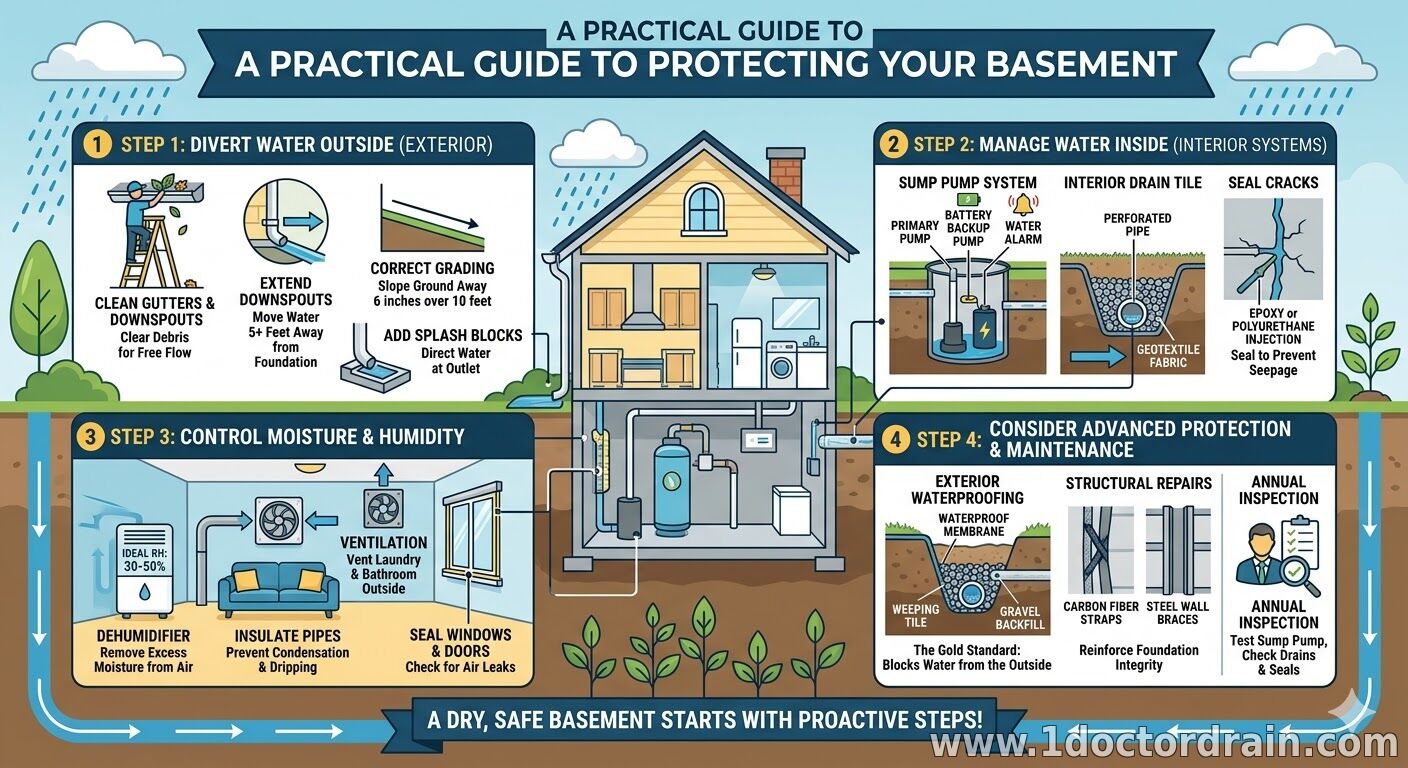
Water intrusion prevention is the first line of defense. Install or upgrade features that keep water out and away from walls and floors. Key steps include fixing cracks, ensuring proper grading to divert runoff away from the house, and installing sump pumps or interior drains where needed. Keep gutters clean and downspouts extended several feet from the foundation to prevent pooling near walls.
Moisture control and ventilation are essential to prevent mold growth and musty odors. Use a dehumidifier in damp spaces, ensure adequate air exchange, and seal any wall penetrations to reduce dampness. Consider using vapor barriers on concrete walls and insulating basement walls to minimize temperature differentials that condense moisture.
Drainage and sump pump maintenance keep water away from the interior. Clear yard drainage paths, inspect exterior French drains if present, and test the sump pump monthly. Install a backflow valve if your sewer line is at risk of backup during heavy rain.
Electrical safety and insulation protect occupants and equipment. Verify that all electrical outlets and panels in the basement are properly grounded, use GFCI outlets where required, and maintain a dry, insulated environment. Insulate exposed pipes to prevent sweating and reduce condensation on cold surfaces.
Finally, create an ongoing maintenance routine: inspect for cracks or damp patches after storms, check seals and drainage quarterly, and keep a simple log of any repairs. Regular attention not only prevents damage but also helps you identify emerging issues before they escalate.
| |
|
| |
CALL ☎ Subscribe 👆
Next & Previous posts
Related materials:
CONTACT US 📩
Submit the form, we'll contact you as soon as possible!