NEWS

Home NEWS

☎ 312-532-6435

Drain сleaning serviсe, clogged drain, sewer cleaner, IL


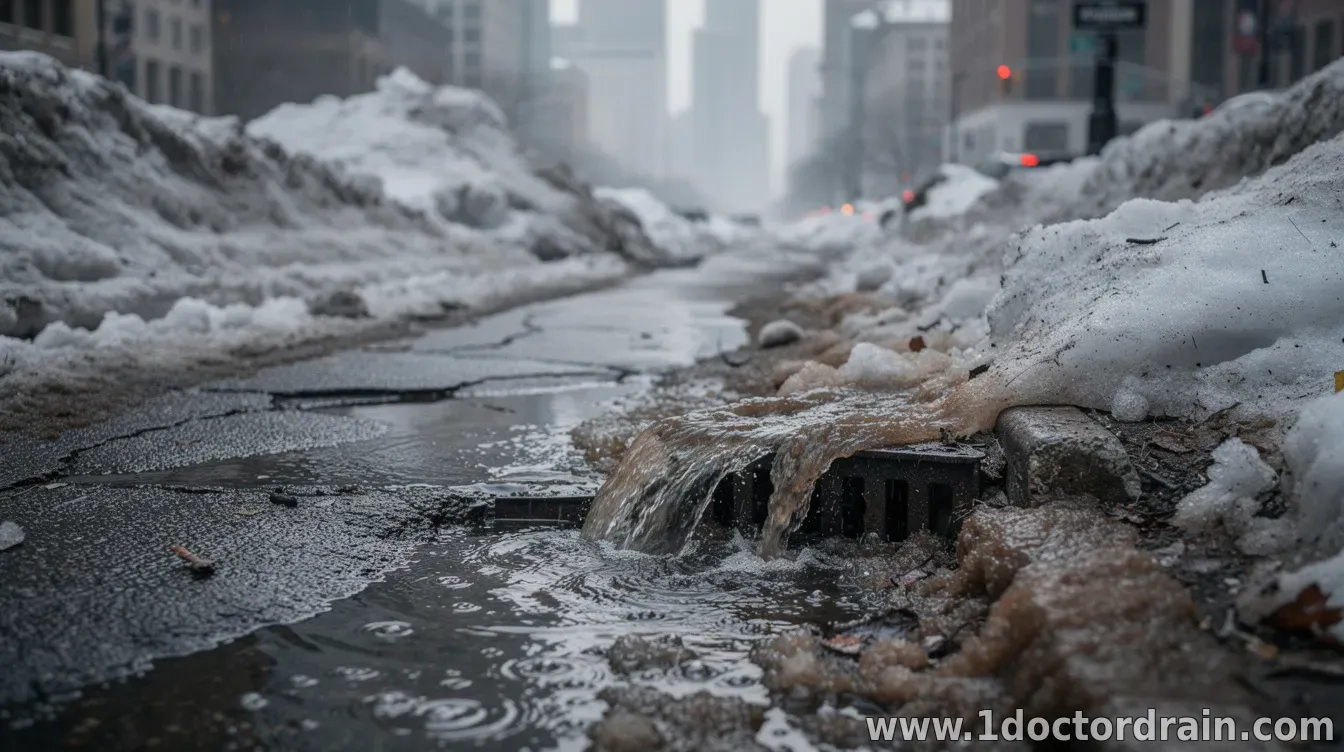
Spring Thaw Plumbing Checklist for Chicago Homeowners

Spring Thaw Plumbing Checklist for Chicago Homeowners


Chicago’s spring thaw is a high-risk window for household plumbing. Water expands when it freezes and can push past weak spots, while thawing also reveals problems that were dormant during the cold months. A quick, systematic check now can help you catch leaks, backups, and stress fractures before they escalate.


1) Start with the cold-water “hot spots”


Before you run a lot of water, inspect areas where pipes typically take the hardest winter hits—especially along exterior walls, in uninsulated basements, crawl spaces, garages, and near any plumbing that runs through cold zones. Look for damp drywall, floor discoloration, ceiling stains, or musty odors that can signal slow leaks.


Next, check visible supply lines under sinks, behind toilets, and around shutoff valves. Even small drips can worsen quickly once thaw water starts moving through systems and the ground shifts after freeze-thaw c ... Read more »


Added: admin 07/25/2026 into the category «Drain cleaning serviсe» Views: 97 Commets: 0
More


HOA Guide: Who’s Responsible for Shared Drain Lines?

HOA Guide: Who’s Responsible for Shared Drain Lines?


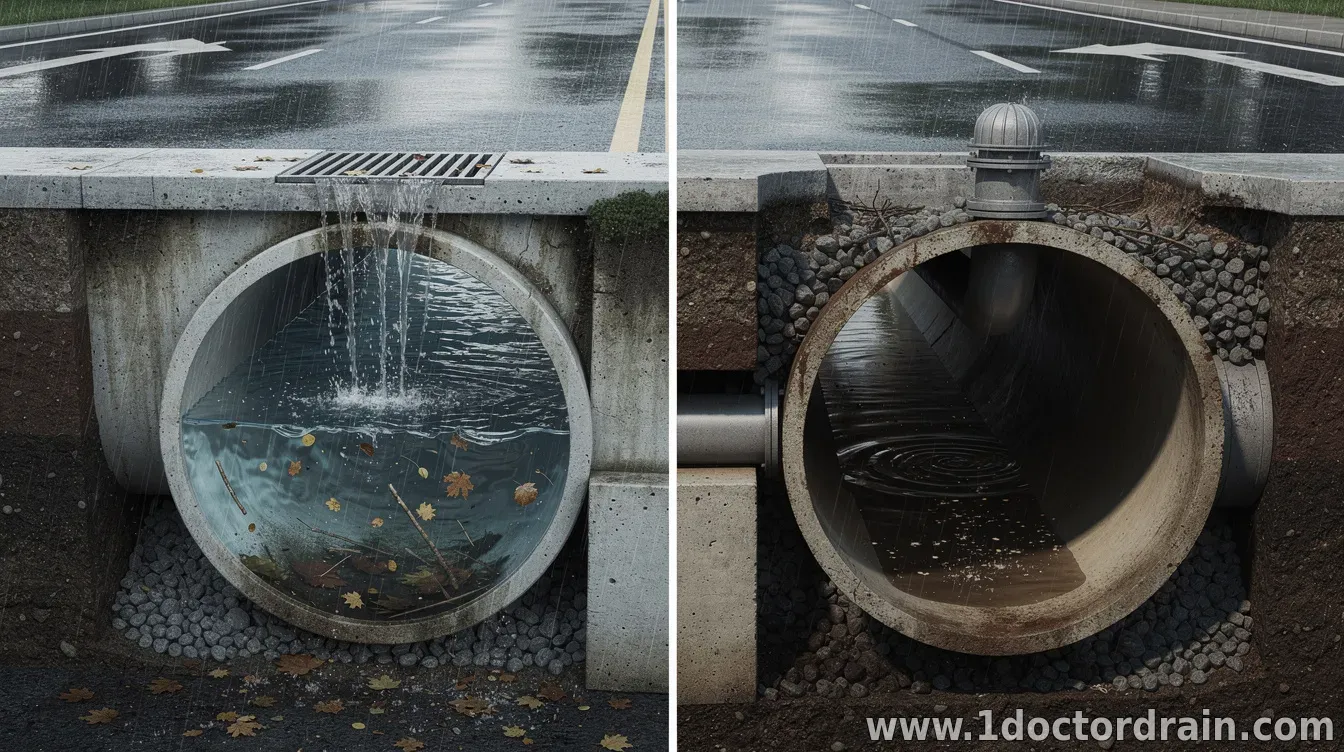
Drain lines that serve multiple lots—such as common lateral pipes, stormwater connections, or sewer leads—can trigger confusing questions in HOA communities. Homeowners may assume the HOA pays because the system is shared, while associations often argue the pipes benefit specific properties or lie within an owner’s boundaries. The truth is usually document-driven: the governing documents and local law typically determine who must maintain and repair these lines.


The first question: are the drain lines part of the HOA’s common area or part of an individual lot?


Most HOAs operate under a framework defined by their CC&Rs (covenants, conditions, and restrictions), bylaws, and applicable state statutes. Start by looking for definitions of common areas, limited common elements, utility systems, and the scope of what the HOA must “maintain,& ... Read more »


Added: admin 07/24/2026 into the category «Drain cleaning serviсe» Views: 121 Commets: 0
More


Reading Your Water Bill: Signs of a Hidden Leak

Reading Your Water Bill: Signs of a Hidden Leak


A sudden jump—or steady rise—in your water bill often points to something more than seasonal usage. One common culprit is a hidden leak in plumbing or drainage lines, which can waste water quietly before it becomes obvious.


Hidden leaks don’t always look dramatic. Instead of pooling water, they may seep behind walls, under floors, or through connections that are hard to see. The good news: you can often narrow down the problem with a few practical checks.


1) Watch for unusual patterns on your bill


Start with the numbers. Compare your current bill to similar billing periods over the last year if you have them. Red flags include a consistent increase in usage week to week, unusually high charges in the same billing cycle each month, or a spike after you haven’t made changes like adding landscaping or appliances.


If your bill includes metered daily or monthly usage, l ... Read more »


Added: admin 07/23/2026 into the category «Drain cleaning serviсe» Views: 117 Commets: 0
More


Holiday Kitchen Cleanup: How to Protect Your Drain

Holiday Kitchen Cleanup: How to Protect Your Drain


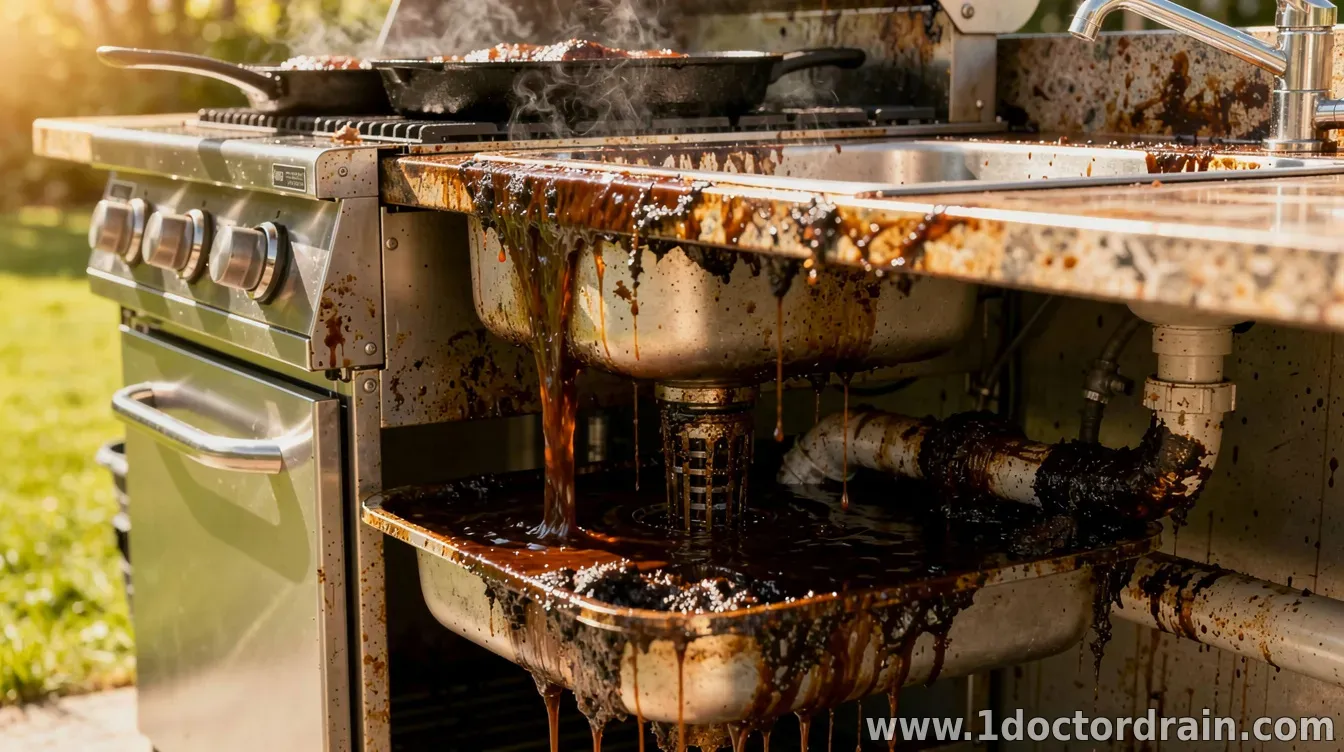
Holiday meals bring heavier foot traffic in the kitchen—and that often means heavier strain on the sink and drain system. When grease, food scraps, and starchy residue build up, drains can slow down, stink, and eventually clog. The good news: a few targeted steps during the holiday season can dramatically reduce the risk of backups.


Start with prevention: catch what can’t go down


Food particles are the most common cause of sink clogs. Use a drain strainer to capture scraps from plates and cookware before they reach the drain. For best results, empty the strainer regularly—especially during busy cooking windows—so trapped debris doesn’t turn into a sludge.


For grease-related problems, avoid pouring cooking fats, butter, or pan drippings directly into the sink. Even if they’re liquid right after cooking, grease cools quickly and can coat pipe walls, narrowing the flow over time ... Read more »


Added: admin 07/22/2026 into the category «Drain cleaning serviсe» Views: 95 Commets: 0
More


« 1 2 ... 9 10 11 12 13 ... 56 57 »