2:44 AM Drain Cleaning Solutions: Everything You Need to Know | |
|
Clogged drains are a common home annoyance, but choosing the right solution can make the difference between a quick fix and repeated blockages. In this guide, we cover the most common drain cleaning options, how they work, and practical guidance for selecting the best approach for your plumbing.
Overview of common solutions
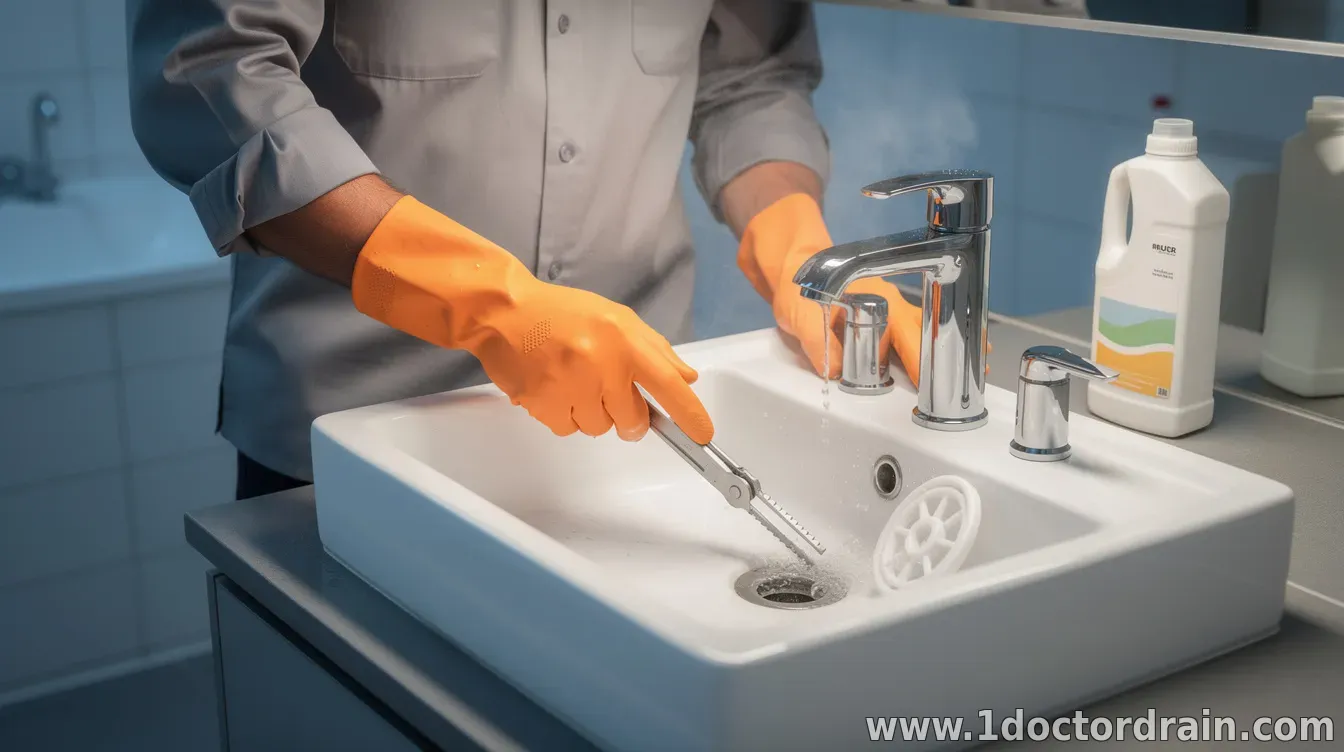
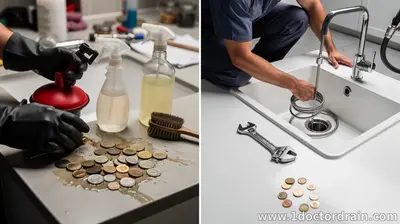
There are several categories of drain cleaners and methods you can consider. Enzymatic cleaners use bacteria or enzymes to break down organic matter over time, making them gentle on pipes and safer for septic systems. Chemical cleaners typically rely on strong acids or bases to dissolve clogs but can damage pipes if misused and may emit fumes. Mechanical methods, such as plungers, drain snakes, or specialized augers, rely on physical action to dislodge blockages without chemical exposure.
For tougher clogs, professional tools (like hydro-jetting) or professional inspection may be necessary. Always follow label directions, and never mix cleaners, which can create dangerous fumes or reactions.
Safety and environmental considerations
Safety matters more with chemical cleaners: wear gloves and eye protection, ensure proper ventilation, and never mix products (especially with ammonia or bleach). Enzymatic cleaners are generally safer for households with children and pets, but they require time to work and aren’t instant fixes. If you have a septic system, enzymatic or biological cleaners are usually preferable, while chemical options can disrupt beneficial bacteria.
Environmental impact is another factor. Chemical cleaners can harm waterways if not disposed of properly. Consider eco-friendly options and test alternatives before committing to a routine that may involve harsh chemicals.
DIY methods vs. professional help
Simple clogs in sinks and bathtubs are often addressed with a plunger or a drain snake. For slow drains, a combination of mechanical methods and time-tested household tips (like hot water flushes or baking soda with vinegar) can help. If a clog persists after trying safe DIY methods, if you notice standing water on multiple fixtures, or if you suspect a broken pipe, it’s time to call a licensed plumber.
When shopping for products, look for evidence-backed claims, check compatibility with your plumbing (PVC vs. metal), and review the product’s septic compatibility if relevant. Avoid over-reliance on a single chemical product and reserve strong cleaners for specific, narrow issues.
Prevention and next steps
Preventing clogs is often easier than clearing them. Use strainers to catch debris, avoid pouring grease down the drain, and run hot water regularly to help keep lines clear. If you have recurring issues, consider a preventive maintenance routine combining mechanical methods with a mild enzymatic cleaner, and schedule periodic professional inspections to detect problems early.
| |
|
| |
CALL ☎ Subscribe 👆
Next & Previous posts
Related materials:
CONTACT US 📩
Submit the form, we'll contact you as soon as possible!