Doctor Drain Services in Deer Park
In Deer Park, IL, residents and business owners depend on dependable drainage systems to help protect property, reduce disruption, and keep daily spaces safe and functional. Even small problems can escalate quickly: a slow kitchen sink may be an early sign of buildup, while heavy rainfall can push a storm system beyond its capacity. Local drain service providers help with everything from routine clearing and inspections to urgent help when water starts backing up into sinks, basements, or other areas.
Overview
Drain professionals in Deer Park commonly begin by diagnosing the source of the issue and then clearing or repairing the affected line. Services often include diagnosing and clearing clogged pipes, sewer line inspections, hydro-jetting, and camera inspections to locate blockages with precision. When older piping is compromised, some providers also offer drain lining to restore the inside surface without always requiring large-scale digging. For urgent situations, emergency leak repair and fast water-resolving actions are frequently available, especially when clogs or leaks threaten living spaces. Many companies also offer 24/7 service for severe backups and flooding, and they provide estimates after an on-site assessment so homeowners and businesses understand the plan before work begins.
What to look for in a drain service
Start by choosing a licensed, insured company and, if possible, review references from other Deer Park customers. A trustworthy contractor should communicate clearly, explain what they find, and describe what will be done to correct it. Transparent pricing is important—look for straightforward explanations of costs, a realistic timeline, and any guarantees that apply to workmanship and materials. It is also helpful to ask about video inspections of sewer lines, because seeing the condition of the pipe can make it easier to select the right method rather than guessing. In addition, confirm whether there is an upfront diagnostic fee, what it covers, and how it is handled if additional repairs are needed. For long-term planning, ask about the expected lifespan of the chosen repair or replacement approach, and whether maintenance recommendations are provided.
Common issues and how they’re addressed
Many residential drain problems show up in predictable ways, such as slow drains, gurgling sounds, foul odors, or repeated backups that return after short-term fixes. Depending on the cause, solutions can range from snaking and hydro-jetting to more targeted repairs. For example, hydro-jetting can help remove hardened buildup when buildup is the primary issue. If the pipe itself is damaged or deteriorated, contractors may recommend trenchless sewer repair or replacement options, which can reduce the amount of disruption compared with traditional excavation. Outdoor drainage concerns are also common, particularly after storms. Contractors may review yard grading, downspout connections, and how stormwater moves across the property so water is directed away from foundations and vulnerable areas. When drainage is managed correctly, it can lower the likelihood of recurring clogs and minimize the risk of future flooding.
What customers should expect
Most projects begin with an inspection, either remote through initial information or on-site after the technician assesses the area. From there, you should receive a clear written estimate that outlines the recommended method and the reason it fits the situation. A good provider will also explain the steps they plan to take, including how they will address the clog or repair the damaged section. If anything could lead to additional costs—such as unexpected conditions found during work—this should be communicated in advance rather than discovered later. During service, technicians should take precautions to protect the home or business, use appropriate containment when handling wastewater, and maintain a safe work area. After the job is complete, expect guidance for post-service maintenance, including practical tips to help reduce the chance of recurrence and when to schedule follow-up inspection if needed.
Choosing a provider in Deer Park
When comparing options, prioritize local firms that have strong reviews and a reputation for prompt response times. Familiarity with Deer Park’s typical drainage conditions and plumbing requirements can make it easier for a provider to work efficiently and plan repairs effectively. Ask for references, confirm licensing where required, and compare warranty terms on both parts and labor so you know what protection is included. It is also worth choosing a contractor who thinks ahead—someone who can discuss preventive maintenance can help you reduce future clogs and leaks, rather than only addressing problems after they cause damage. With the right provider, you can move from an immediate fix to a more dependable drainage system overall.
-
Power Rodding
-
Hydro Jetting
-
Video Inspection
-
Drain Repair
-
Drain Cleaning
-
Sewer Cleaning
-
Sump pump
-
Sewage Ejector Pump
-
Main Line Rodding
-
Bathtub Drain
-
Bathroom Sinks
-
Kitchen Drain
-
Laundry Drain
-
Toilets
-
Floor Drain
-
Storm Drain
WHAT MAKES DEER PARK'S DRAINAGE NEEDS DIFFERENT
Deer Park's defining residential character — 1-acre-plus lots bordered by a preserved green belt and two large natural areas — creates real, specific drainage considerations beyond generic advice:
- Larger, more spread-out properties mean longer sewer line runs from home to street, which affects both diagnosis time and where video inspection access points are typically located compared to a tighter subdivision lot
- Proximity to preserved natural areas and green belt land means mature trees are common near many residential properties — a leading cause of root intrusion into older sewer lines, making main line rodding or hydro jetting a relevant recurring service for homes near these natural boundaries
- A mix of large-lot single-family homes and upscale townhomes near Deer Park Center means drain infrastructure age and complexity vary significantly across the village — a townhome near the shopping center has a very different plumbing footprint than an acre-lot estate home
- High median household income ($161,422 per the 2020 census) suggests many homeowners here are positioned to invest in preventive maintenance and quality repairs rather than deferring service until a full backup occurs
RETAIL AND DINING COMMERCIAL DRAIN NEEDS
Beyond residential service, Deer Park Town Center and the Town Center Promenade represent a meaningful commercial component of the village — restaurants and retail spaces here benefit from the same grease trap maintenance, commercial kitchen drain service, and prompt emergency response we provide to businesses throughout our broader service area.
Frequently Asked Questions
Do Deer Park's larger lot sizes make drain repairs more complicated?
Longer sewer line runs on larger properties can mean a video inspection access point is further from the home; our technicians are experienced working with this type of larger-lot layout common throughout the village.
Is tree root intrusion a bigger concern in Deer Park given the preserved green belt?
It can be, particularly for properties near the natural areas bordering the village — a video inspection is a smart first step for homes experiencing recurring drain backups near these areas.
Do you service both the large estate homes and the townhomes near Deer Park Center?
Yes — we work with the full range of residential property types throughout the village, from acre-lot single-family homes to townhomes near the shopping center.
Trusted 24/7 Drain Cleaning Experts in Deer Park, IL: Fast Local Service & Proven Results
When a stubborn household clog or main sewer backup threatens your Deer Park home, you need a dependable local team that arrives fast and gets the job done right. At 1 Doctor Drain, our certified master plumbers deliver prompt, professional 24/7 drain cleaning, clog removal, and sewer maintenance services throughout Deer Park and the surrounding northwest suburbs. Equipped with commercial-grade motorized cables, high-pressure hydro-jetters, and high-definition video inspection cameras, we clear your lines right the first time. Call our 24/7 dispatch hotline right now at (312) 532-6435 for immediate emergency dispatch or to schedule service:
24/7 Emergency Dispatch: Rapid-response local technicians stationed near Deer Park, ready day and night, weekends, and holidays.
Licensed & Insured Professionals: Highly trained, certified plumbing experts skilled in local Chicagoland building codes and residential infrastructure.
Upfront Transparent Pricing: Honest, flat-rate pricing with no hidden fees or surprise charges before any plumbing work begins.
Comprehensive Local Care: Full-service clog removal covering kitchen sinks, bathroom fixtures, main sewer lines, sump pumps, and floor drains.
100% Satisfaction Guarantee: We stand firmly behind the quality of our craftsmanship, utilizing premium-grade equipment and industry-leading standards.
Deer Park Drain & Sewer Services Snapshot
Professional wastewater solutions engineered specifically for homes and properties in Deer Park, IL:
Service Category Primary Solutions & Capabilities Operational Benefit Emergency Clog Removal 24/7 rapid response for overflowing toilets, sinks, and tubs Stops indoor flooding and protects your property from water damage. Main Sewer Power Rodding Heavy-duty rotating steel cables to clear tree roots and municipal line clogs Restores full wastewater flow from house to city main instantly. Sewer Video Inspection High-definition fiber-optic scoping of underground lateral pipes Pinpoints exact structural cracks, offsets, and root intrusions. Hydro-Jetting Scouring 4,000 PSI high-pressure water pipe wall cleaning Eliminates stubborn grease, scale, and sludge buildup completely. Sump Pump & Ejector Care Protecting Deer Park basements during heavy seasonal storms Prevents catastrophic basement flooding and foundation water damage.
Professional Plumbing Solutions Tailored to Deer Park Properties
From custom residential homes to scenic wooded properties, Deer Park residents require specialized plumbing maintenance to manage long lateral runs and mature trees. Our local services address every need:
Rapid Emergency Clog Relief: When kitchen sinks or bathroom drains back up unexpectedly, our local mobile units arrive quickly with commercial augers to clear the obstruction without damaging your pipes.
Heavy-Duty Main Line Power Rodding: Deer Park's natural, wooded surroundings mean mature trees frequently push roots into underground sewer lines. Our high-torque rodding equipment shreds roots and opens blocked laterals on contact.
Pre-Purchase Sewer Scoping: Buying a home in the area? Our high-definition video inspections reveal hidden pipe damage, bellies, or root intrusion before you finalize your real estate investment.
Basement Flood & Sump Pump Protection: Heavy seasonal rains can overwhelm local water tables. We install and service high-capacity sump pumps and battery backup systems to keep your basement completely dry.
Our Fast & Seamless Service Process
Immediate Call & Dispatch: Call us at (312) 532-6435. Our dispatcher evaluates your plumbing issue and dispatches our closest local Deer Park technician to your location.
On-Site Assessment & Upfront Quote: Our technician inspects your plumbing setup, identifies the exact source of the problem, and provides a clear, upfront quote before starting work.
Professional Service Execution: Utilizing commercial-grade cleaning equipment or repair tools, we resolve your drainage issue efficiently and cleanly according to local codes.
Flow Testing & Cleanup: We thoroughly test water drainage, clean our work area spotless, and verify your complete satisfaction before leaving.
Frequently Asked Questions: Deer Park Drain Services
Q: How fast can a plumber arrive at my Deer Park home for an emergency clog?
A: Because our service vans are strategically stationed throughout the northwest suburbs, we typically arrive at your Deer Park property within 30 to 45 minutes of your emergency call.
Q: Why do Deer Park sewer lines frequently get invaded by tree roots?
A: Deer Park features beautiful, heavily wooded neighborhoods and large residential lots. Tree roots naturally seek out moisture sources and will penetrate tiny joints or microscopic cracks in older clay or cast iron sewer pipes, causing recurring clogs.
Q: Do you charge extra for weekend or night emergency calls in Deer Park?
A: We believe in honest, transparent service. We provide straightforward, flat-rate pricing with no hidden surprises, even when you call us in the middle of the night or on holidays.
Q: Are your plumbing technicians fully licensed and insured in Illinois?
A: Absolutely. Every technician on our team is fully licensed, bonded, and insured, ensuring professional plumbing services that comply strictly with all Illinois and local Deer Park building codes.
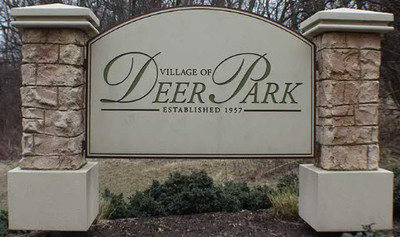
Deer Park is a village in Lake and Cook Counties, Illinois. Per the 2020 census, the population was 3,681. The village is one of the few left in the Chicago area that enjoy a green belt which is bordered by two large natural areas providing outdoor recreation and open space. The village is home to popular shopping and dining destinations: Deer Park Town Center and the Town Center Promenade. The town is also home to the Vehe Farm, an Illinois Centennial Farm.
Residential zoning is mainly single family homes with lot of sizes of 1-acre (4,000 m2) or more. Upscale townhomes are available near the Deer Park Center. The Metra/Chicago & Northwestern train line provides commuter service to Chicago with stations in nearby Barrington and Palatine.
According to the 2021 census gazetteer files, Deer Park has a total area of 3.76 square miles, of which 3.65 square miles (or 97.31%) is land and 0.10 square miles (or 2.69%) is water.
As of the 2020 census there were 3,681 people, 1,377 households, and 1,124 families residing in the village. The population density was 980.29 inhabitants per square mile (378.49/km2). There were 1,451 housing units at an average density of 386.42 per square mile The racial makeup of the village was 85.41% White, 0.65% African American, 0.27% Native American, 7.85% Asian, 0.00% Pacific Islander, 1.01% from other races, and 4.81% from two or more races. Hispanic or Latino of any race were 3.31% of the population.
There were 1,377 households, out of which 38.6% had children under the age of 18 living with them, 76.25% were married couples living together, 3.92% had a female householder with no husband present, and 18.37% were non-families. 17.28% of all households were made up of individuals, and 9.88% had someone living alone who was 65 years of age or older. The average household size was 3.29 and the average family size was 2.91.
The village's age distribution consisted of 26.9% under the age of 18, 6.9% from 18 to 24, 19.7% from 25 to 44, 31% from 45 to 64, and 15.4% who were 65 years of age or older. The median age was 43.5 years. For every 100 females, there were 90.1 males. For every 100 females age 18 and over, there were 94.0 males.
The median income for a household in the village was $161,422, and the median income for a family was $192,708. Males had a median income of $117,120 versus $76,635 for females. The per capita income for the village was $73,578. About 0.3% of families and 1.3% of the population were below the poverty line, including 0.4% of those under age 18 and 5.0% of those age 65 or over.