1:49 AM Storm Drains vs. Sanitary Sewers: Why the Difference Matters | |
|
Storm drains and sanitary sewers are often discussed as if they serve the same purpose, but they are designed for fundamentally different types of water. The distinction affects everything from everyday street flooding to how communities protect rivers, lakes, and bays from pollution.
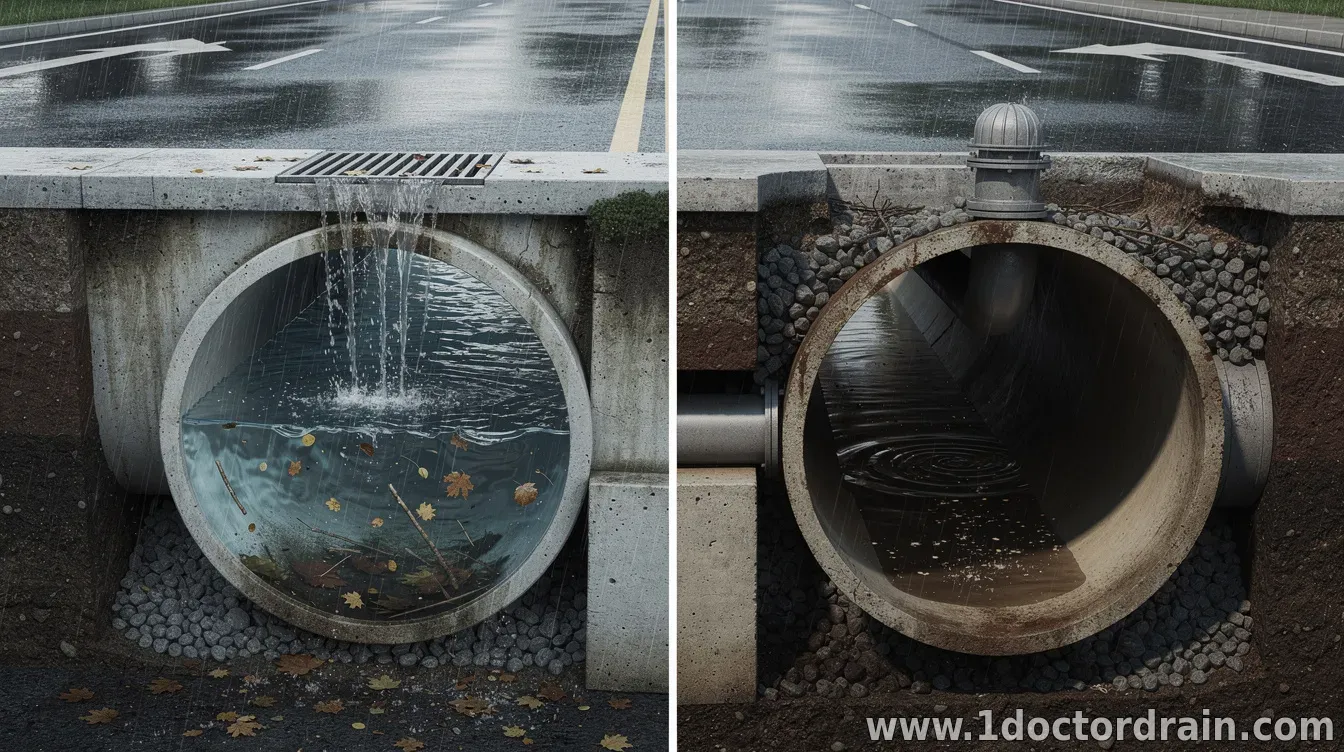
In most municipalities, the stormwater system is built to capture rainfall and snowmelt and route it—directly or with limited treatment—to nearby waterways. The sanitary sewer system, by contrast, is designed to collect wastewater from homes and businesses and deliver it to treatment facilities where it is treated before discharge. What storm drains are for
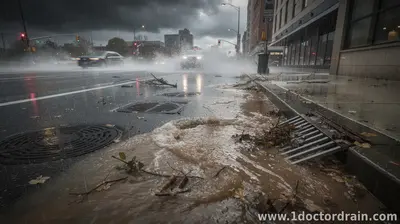
Storm drains typically move “cleaner” water in the sense that it originates from precipitation rather than human waste. When rain falls, storm drains help prevent standing water by channeling runoff through catch basins, pipes, culverts, and sometimes detention or retention areas. The system is engineered to handle sudden surges of water during storms.
However, stormwater is not always pollution-free. Runoff can carry sediment, fertilizers, oil and grease from streets, pet waste, and debris into local waterways. Because storm drains are not designed for wastewater treatment, pollutants often reach receiving waters with minimal processing. What sanitary sewers are for
Sanitary sewers are built for wastewater that contains contaminants and pathogens. That includes sewage from toilets, sinks, showers, and industrial processes connected to the sanitary system. Sanitary lines are typically designed to keep this waste contained and transported under controlled conditions to treatment plants for disinfection and removal of harmful materials.
If sanitary wastewater is instead allowed to enter the storm system, it can quickly turn waterways into health risks. Pathogens and nutrients can degrade water quality, contributing to unpleasant odors, algal blooms, and ecosystem stress. Why mixing systems can be disastrous
The biggest risk comes when stormwater and sanitary wastewater enter the wrong network. Inflow and infiltration—such as stormwater entering aging sewer lines through cracks, leaky joints, or improperly connected pipes—can overwhelm treatment capacity. During heavy rain, this can lead to sewer backups in basements or streets and may force emergency discharges.
Conversely, connections that route wastewater into storm drains can bypass treatment entirely. Even small misrouting—such as a basement drain connected incorrectly—can introduce contaminants into stormwater outfalls. How property owners and cities can reduce problems
Correct connections and maintenance help prevent system overload and pollution. Cities often inspect sewer infrastructure, test for cross-connections, and repair deteriorating pipes. Many also provide guidance on what should and should not enter each system—particularly during renovations or when installing drainage features.
For residents, the key is following local rules for basement drains, sump pumps, and roof or foundation drainage. In many areas, sump pumps connected to the sanitary sewer create avoidable strain during storms, while the stormwater system should generally remain reserved for precipitation.
Ultimately, storm drains and sanitary sewers are separate engineered pathways with different treatment expectations. Keeping them distinct supports cleaner water, fewer backups, and more reliable storm resilience—especially as extreme rainfall becomes more common.
| |
|
| |
CALL ☎ Subscribe 👆
Next & Previous posts
Related materials:
CONTACT US 📩
Submit the form, we'll contact you as soon as possible!