3:54 AM Why Kitchen Drains Are the Most Frequently Clogged | |
|
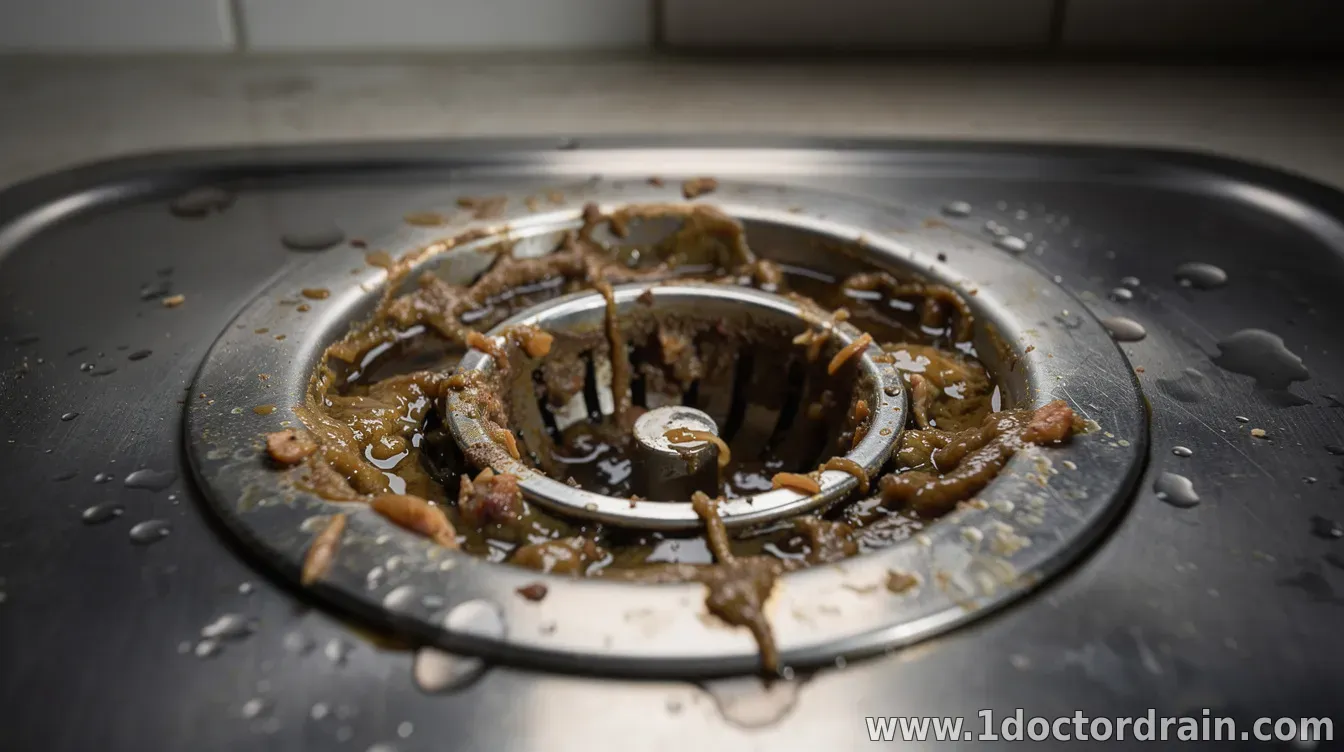
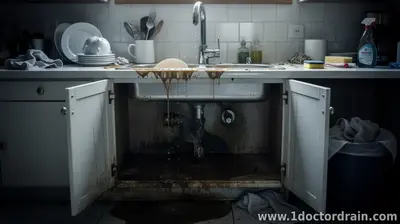
Kitchen drains face a perfect storm of clogging factors: they handle food waste, oils and grease, and frequent water flows throughout the day. Over time, these materials don’t just disappear—they accumulate, cool, and bind together inside pipes, creating the kind of stubborn blockage homeowners notice as slow draining, odors, or backups.
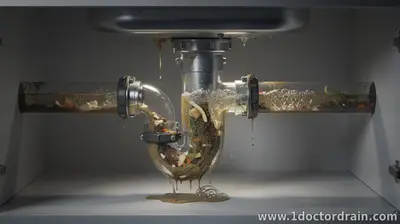
Grease is the biggest culprit. Cooking oils, fats, and greasy residues from pans and plates can go down the drain in liquid form, but they often solidify as they travel through cooler sections of plumbing. That buildup sticks to pipe walls and traps other debris, making clogs progressively harder to clear.
Food particles add solid debris to the mix. Even with rinsing, tiny fragments of food—like coffee grounds, rice, pasta starch, vegetable bits, and scraps of food trapped in utensils—can collect in low spots, joints, and bends. When combined with grease and soap scum, these solids form a mass that narrows the pipe.
Starches and “invisible” residues build up. Foods rich in starch and proteins—such as sauces, soups, and pasta cooking water—can leave a sticky film. This residue can behave like glue, gradually thickening inside the drain line and encouraging other particles to adhere.
Soap scum and detergent compounds contribute. Dishwashing detergents, along with soap scum, can coat pipe surfaces. That coating reduces water’s ability to wash material freely through the system and makes it easier for grease and food particles to stick.
Frequent use increases the odds. Kitchens are the busiest plumbing zone: drains may handle dozens of sink and dishwasher cycles daily. More volume means more opportunity for buildup—especially if there’s no routine maintenance between meals or cooking sessions. Common “small” habits that worsen clogs
Many clogs start with routine behavior that seems harmless in the moment. Pouring small amounts of oil into the sink, using the sink as a disposal for scraps, and dumping starchy liquids directly down the drain can all speed up accumulation.
How to reduce kitchen drain clogs
Prevention focuses on stopping solids from entering the pipe and preventing grease from accumulating on the walls. Start with simple workflow changes—then pair them with periodic cleaning.
Scrape, don’t rinse-away. Use a trash bin or compost for food scraps, and wipe greasy pans before washing. This reduces both solids and grease load.
Handle fats properly. Let cooking grease cool and dispose of it in a sealed container. Avoid pouring oil into the sink, even if it’s “just a little.”
Maintain with safe, consistent cleaning. Regularly flush with hot water (when appropriate for your plumbing), and consider routine drain maintenance methods that don’t damage pipes. If you notice persistent slow draining or recurring odors, addressing the issue early can prevent a full blockage.
| |
|
| |
CALL ☎ Subscribe 👆
Next & Previous posts
Related materials:
CONTACT US 📩
Submit the form, we'll contact you as soon as possible!