2:45 AM Licensed vs. Unlicensed Drain Cleaners: Why It Matters | |
|
When a sink drains slowly or a toilet backs up, many people look for the quickest and cheapest option. But in the drain-cleaning business, price can hide critical differences—especially between licensed professionals and unlicensed operators.
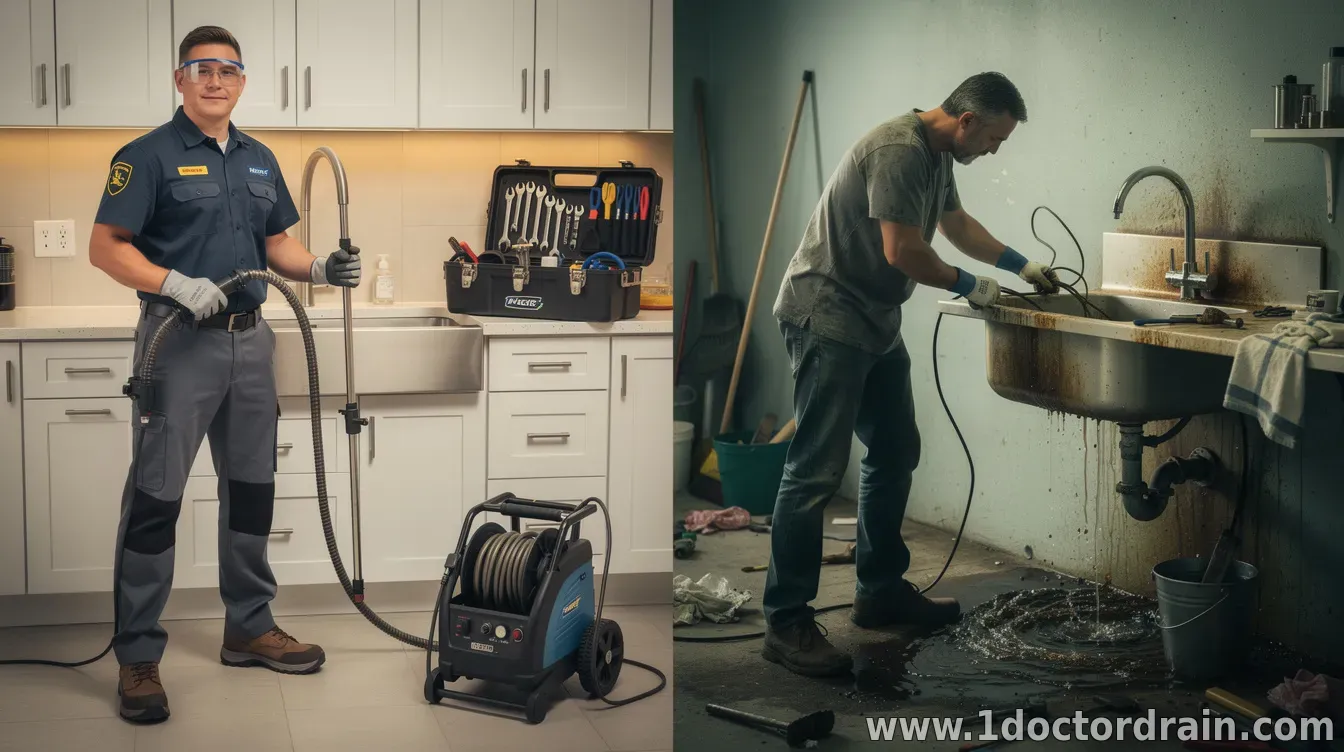
In many places, licensure and training requirements exist for a reason: sewer and drain work often involves hazardous chemicals, confined spaces, specialized equipment, and risks to property and public health. What “licensed” typically means
A licensed drain or plumbing contractor generally has met state or local requirements that may include documented training, passing exams, and compliance with safety standards. Licensing also usually ties the business to accountability mechanisms such as inspection rules, complaint processes, and insurance obligations.
While specific requirements vary by jurisdiction, licensing typically signals that the worker is authorized to perform the type of work being requested—and is expected to follow established procedures. The risks of hiring an unlicensed cleaner
Unlicensed drain cleaners may rely on ad-hoc experience without the same safety oversight. That can increase the chance of avoidable problems, such as damaged pipes, improper handling of wastewater, or ineffective repairs that only temporarily improve drainage.
There are also safety concerns: drain work can expose residents and workers to toxic fumes, bacteria, and dangerous chemical reactions—especially when strong cleaners are used incorrectly. Long-term cost: the “cheap fix” problem
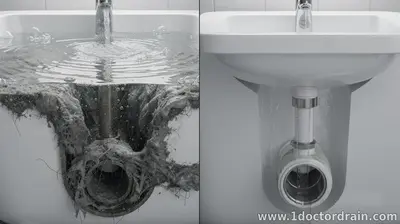
A lower upfront quote can be tempting, but repeat calls are common when a clog is treated superficially or when the root cause isn’t addressed. For example, a technician may clear a blockage now but fail to identify issues like tree-root intrusion, a failing trap, recurring grease buildup, or a collapsed section of pipe.
Over time, the cost of additional visits, restoration work, and property damage can outweigh the initial savings. Insurance, liability, and accountability
Licensed businesses often carry insurance that can protect homeowners if damage occurs during service. Unlicensed operators may not have equivalent coverage, leaving residents to absorb costs related to leaks, flooding, or repairs that result from substandard work.
Even when the intent is good, accountability matters: if something goes wrong, licensing structures typically make it easier to verify credentials, document service history, and pursue remedies through official channels. How to choose safely before booking
Consumers can reduce risk by checking basic credentials and service details. Ask for licensing information, proof of insurance where applicable, and a clear description of the approach—especially whether the cleaner plans to use chemicals, mechanical tools like augers, or camera inspection to diagnose the cause.
In many cases, requesting a written estimate and confirming what’s included (labor, parts, diagnostics, and cleanup) helps prevent surprise charges and supports more consistent outcomes.
Choosing between licensed and unlicensed drain cleaners isn’t just a compliance question—it’s a safety and quality decision that can affect plumbing systems, household health, and overall expenses for years to come.
drain cleaning, home plumbing, licensing, consumer safety, property maintenance | |
|
| |
CALL ☎ Subscribe 👆
Next & Previous posts
Related materials:
CONTACT US 📩
Submit the form, we'll contact you as soon as possible!