
0:49 AM Spring tree-root growth raises risk of pipe intrusion | |
|
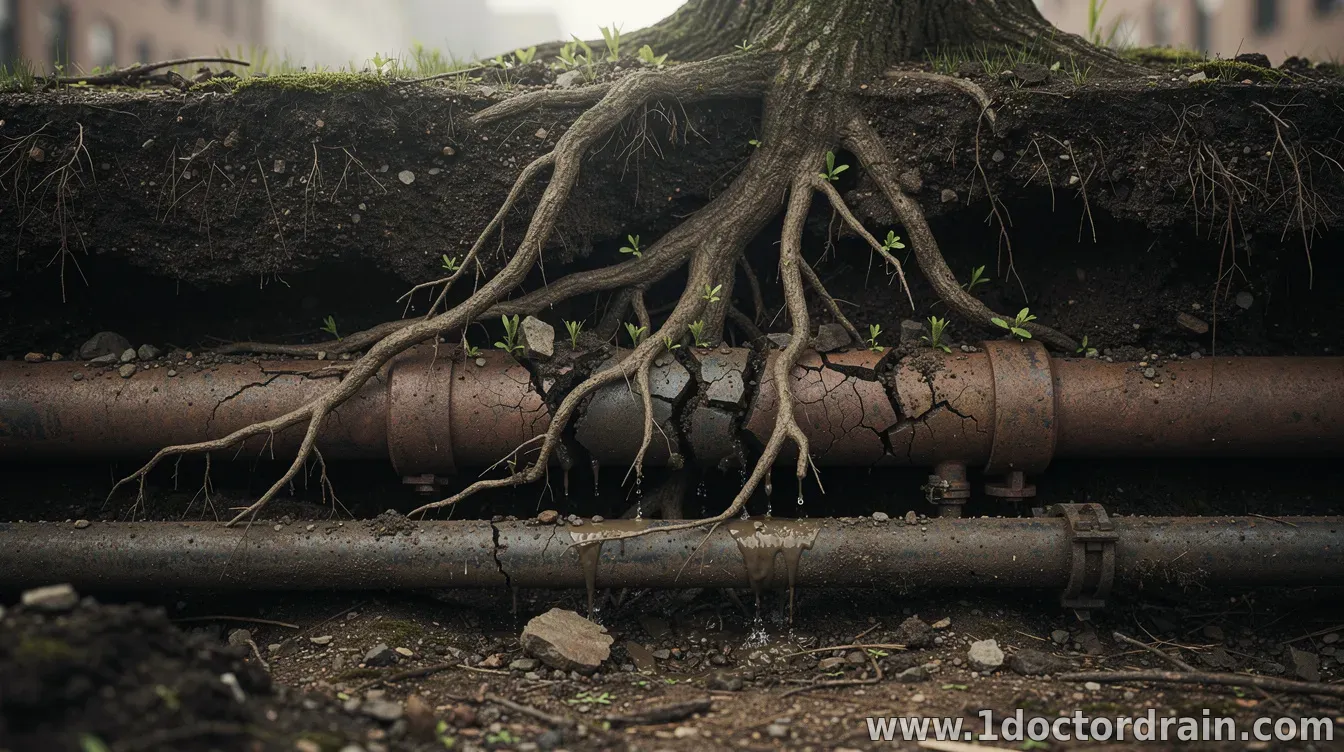
Spring is a high-risk season for plumbing and underground infrastructure. As soil warms and trees restart growth, roots expand more aggressively in search of water and nutrients—sometimes pressing into cracks, joints, and weakened sections of sewer and water pipes.
Tree-root intrusion typically doesn’t “start” overnight. Instead, a long-term problem—aging materials, minor settlement, or past damage—becomes more pronounced when roots begin reaching new moisture sources under sidewalks, lawns, and utility corridors. Why growth season increases the risk
During spring, many trees and shrubs transition from dormancy to active growth. Root tips extend, branching increases, and the demand for water rises. If underground pipes are slightly misaligned or have small entry points, roots are more likely to exploit them, especially after winter freeze-thaw cycles that can widen existing defects.
Moisture conditions also matter. Leaks—sometimes subtle—create damp zones that attract roots. Even a small amount of seepage near a joint can act like a beacon, encouraging roots to grow in the direction of the moisture. Common symptoms homeowners and facilities notice
Root intrusion frequently leads to slowdowns and backup-like behavior. In many cases, the first sign is recurring clogs that appear despite routine cleaning, foul odors from drains, or sewage odors near the ground surface.
For sewer lines, early warning signs can include gurgling sounds, slower drainage in multiple fixtures, or wet spots in landscaped areas that don’t match irrigation schedules. In water lines, intrusion-related issues may present as pressure fluctuations, damp ground near service points, or persistent repair calls.
What makes some pipes more vulnerable
The likelihood of intrusion depends on both the plumbing and the surrounding landscape. Older pipes—particularly those with worn joints—are more susceptible to root entry. Pipe cracks, missing gaskets, offset connections, and corrosion all reduce the barrier that roots would otherwise meet.
Soil and landscaping choices can also raise exposure. Trees planted too close to utility easements, irrigation systems that overwater certain areas, or soil types that retain moisture longer can all encourage roots to migrate toward underground lines. Prevention and mitigation before the problem escalates
The best strategy is to reduce entry points and control conditions that attract roots. Regular inspections can identify early deterioration—before roots create blockages that require more invasive repairs.
Maintenance may include targeted cleaning when early buildup appears, sealing known weak joints, and planning any new tree plantings with mature root spread in mind. In cases where intrusion is already suspected, professionals often use camera inspections to confirm the location and severity, allowing repairs to be tailored rather than guessed.
For facilities and municipalities, proactive asset management—prioritizing high-risk segments near trees and along known failure-prone corridors—can lower the chance of springtime failures and reduce disruptions to residents and operations.
Spring doesn’t create pipe problems by itself, but it accelerates what’s already vulnerable. Treating root intrusion like an early-warning maintenance issue—rather than an emergency—can protect drainage performance and avoid higher-cost repairs later in the growing season.
| |
|
| |
CALL ☎ Subscribe 👆
Next & Previous posts
Related materials:
CONTACT US 📩
Submit the form, we'll contact you as soon as possible!