Doctor Drain Services in Winnetka
Drain problems can strike without warning, from sudden backups and overflowing fixtures to slow drainage and foul odors that steadily get worse. In Winnetka, IL, homeowners and commercial properties rely on licensed plumbers who can respond quickly and handle everything from minor clogs to sewer line damage. With the right local expertise, drains can be diagnosed, cleared, and repaired efficiently—often with less mess and fewer disruptions to daily routines. This article explains the key services, typical cost factors, and practical things to consider when hiring a local drain specialist.
Lead services to know
Most Winnetka drain jobs start with a thorough assessment to understand what is happening inside the pipes. Common offerings include camera inspections, which use a video line inspection tool to map the pipe layout, locate the exact blockage or failure point, and help avoid unnecessary guesswork. When debris, grease, or sediment is the cause, rooter services are often used to remove material safely and restore flow. For stubborn buildup that cleaning alone cannot resolve, hydro jetting may be recommended to flush out scale and residue and help clear the line more completely.
When damage is present, professionals may also recommend trenchless repairs, which can reduce the need for digging and help preserve landscaping and paved areas. For sewer line concerns, technicians may use dye tests to help confirm where leaks or irregular flows are occurring. Depending on what the inspection reveals, options can include targeted sectional replacements or other repairs that align with local requirements and the condition of the surrounding pipe.
Emergency and routine options
Emergency drain service is a priority for many properties, especially during heavy rains, storms, or when sewage backs up into sinks, tubs, toilets, or floor drains. Reputable companies typically offer 24/7 availability, clear communication, and transparent estimates before work begins. Rapid response helps limit contamination, reduce downtime, and protect nearby plumbing fixtures from additional damage. If you call for help, a skilled technician will usually ask a few quick questions—such as what drains are affected and whether anything is gurgling—to guide the initial approach.
Routine maintenance is also important, because many serious issues begin as slow or inconsistent drainage. Scheduled cleaning and inspection—such as periodic sewer line cleanouts and checking connections—can help prevent buildup from turning into clogs. For many properties, an annual or regularly scheduled inspection plan supports early detection, extends the life of the drainage system, and can reduce the likelihood of unexpected emergencies.
What affects cost
Drain service pricing can vary depending on the job's complexity, how far the issue extends through the pipe, and whether specialized methods are needed. For example, a camera inspection may be recommended to pinpoint the problem before clearing or repairing the line. If the pipe is heavily obstructed, hydro jetting may be required, while trenchless repairs can become part of the solution when damage is found. For sewer-related problems, tests and additional diagnostic steps may also influence the overall total.
In Winnetka, a typical drain service estimate may include a diagnostic fee, labor, and parts, depending on what the technician finds. Before work starts, ask for a written estimate that clearly breaks down labor, materials, and any containment or cleanup charges. If the situation is urgent, confirm the pricing approach for emergency calls and what is included in the initial response, so there are no surprises later.
Choosing the right provider
Choose licensed, insured local plumbers who have consistently positive reviews and offer clear warranties on their work. It can also help to request references or review recent customer feedback, especially for jobs that are similar in type and scope to yours. When possible, confirm that the company uses up-to-date equipment, such as video line inspection tools and hydro jetters, so the diagnosis is accurate and the repair approach matches the actual condition of the pipes.
Local code compliance matters, particularly for sewer line repairs and any work that may affect safety, drainage performance, or property requirements. A strong contractor will explain the available options, including the trade-offs between clearing, cleaning, and repair methods, and will share expected timelines in plain language. That transparency makes it easier to plan for access to the property and any temporary disruptions.
Beyond immediate repair, consider long-term protection measures that reduce repeat problems. Regular inspections, a proactive maintenance plan, and advice on preventing tree root intrusion can help keep drains flowing and help avoid costly repairs over time. Even simple habits—such as being mindful of what is flushed or poured into drains—can support the health of your drainage system between service visits.
-
Power Rodding
-
Hydro Jetting
-
Video Inspection
-
Drain Repair
-
Drain Cleaning
-
Sewer Cleaning
-
Sump pump
-
Sewage Ejector Pump
-
Main Line Rodding
-
Bathtub Drain
-
Bathroom Sinks
-
Kitchen Drain
-
Laundry Drain
-
Toilets
-
Floor Drain
-
Storm Drain
Trusted 24/7 Drain Cleaning Experts in Winnetka, IL: Fast Local Service & Proven Results
When a stubborn household clog or main sewer backup threatens your Winnetka home, you need a dependable local team that arrives fast and gets the job done right. At 1 Doctor Drain, our certified master plumbers deliver prompt, professional 24/7 drain cleaning, clog removal, and sewer maintenance services throughout Winnetka and the surrounding North Shore suburbs. Equipped with commercial-grade motorized cables, high-pressure hydro-jetters, and high-definition video inspection cameras, we clear your lines right the first time. Call our 24/7 dispatch hotline right now at (312) 532-6435 for immediate emergency dispatch or to schedule service:
24/7 Emergency Dispatch: Rapid-response local technicians stationed near Winnetka, ready day and night, weekends, and holidays.
Licensed & Insured Professionals: Highly trained, certified plumbing experts skilled in local Chicagoland building codes and residential infrastructure.
Upfront Transparent Pricing: Honest, flat-rate pricing with no hidden fees or surprise charges before any plumbing work begins.
Comprehensive Local Care: Full-service clog removal covering kitchen sinks, bathroom fixtures, main sewer lines, sump pumps, and floor drains.
100% Satisfaction Guarantee: We stand firmly behind the quality of our craftsmanship, utilizing premium-grade equipment and industry-leading standards.
Winnetka Drain & Sewer Services Snapshot
Professional wastewater solutions engineered specifically for homes and estates in Winnetka, IL:
Service Category Primary Solutions & Capabilities Operational Benefit Emergency Clog Removal 24/7 rapid response for overflowing toilets, sinks, and tubs Stops indoor flooding and protects your property from water damage. Main Sewer Power Rodding Heavy-duty rotating steel cables to clear tree roots and municipal line clogs Restores full wastewater flow from house to city main instantly. Sewer Video Inspection High-definition fiber-optic scoping of underground lateral pipes Pinpoints exact structural cracks, offsets, and root intrusions. Hydro-Jetting Scouring 4,000 PSI high-pressure water pipe wall cleaning Eliminates stubborn grease, scale, and sludge buildup completely. Sump Pump & Ejector Care Protecting Winnetka basements during heavy seasonal storms Prevents catastrophic basement flooding and foundation water damage.
Professional Plumbing Solutions Tailored to Winnetka Properties
From historic lakefront estates and custom properties to established residential neighborhoods, Winnetka buildings require specialized plumbing maintenance to keep drainage systems flowing smoothly year-round. Our local services address every need:
Rapid Emergency Clog Relief: When kitchen sinks or bathroom drains back up unexpectedly, our local mobile units arrive quickly with commercial augers to clear the obstruction without damaging your pipes.
Heavy-Duty Main Line Power Rodding: Mature trees and established landscaping throughout Winnetka frequently push roots into underground sewer lines. Our high-torque rodding equipment shreds roots and opens blocked laterals on contact.
Pre-Purchase Sewer Scoping: Buying a home in the area? Our high-definition video inspections reveal hidden pipe damage, bellies, or root intrusion before you finalize your real estate investment.
Basement Flood & Sump Pump Protection: Heavy seasonal rains can overwhelm local water tables. We install and service high-capacity sump pumps and battery backup systems to keep your basement completely dry.
Our Fast & Seamless Service Process
Immediate Call & Dispatch: Call us at (312) 532-6435. Our dispatcher evaluates your plumbing issue and dispatches our closest local Winnetka technician to your location.
On-Site Assessment & Upfront Quote: Our technician inspects your plumbing setup, identifies the exact source of the problem, and provides a clear, upfront quote before starting work.
Professional Service Execution: Utilizing commercial-grade cleaning equipment or repair tools, we resolve your drainage issue efficiently and cleanly according to local codes.
Flow Testing & Cleanup: We thoroughly test water drainage, clean our work area spotless, and verify your complete satisfaction before leaving.
Frequently Asked Questions: Winnetka Drain Services
Q: How fast can a plumber arrive at my Winnetka home for an emergency clog?
A: Because our service vans are strategically stationed throughout the North Shore suburbs, we typically arrive at your Winnetka property within 30 to 45 minutes of your emergency call.
Q: Why do Winnetka sewer lines frequently get invaded by tree roots?
A: Winnetka features gorgeous, established neighborhoods with mature trees. Tree roots naturally seek out moisture sources and will penetrate tiny joints or microscopic cracks in older clay or cast iron sewer pipes, causing recurring clogs.
Q: Do you charge extra for weekend or night emergency calls in Winnetka?
A: We believe in honest, transparent service. We provide straightforward, flat-rate pricing with no hidden surprises, even when you call us in the middle of the night or on holidays.
Q: Are your plumbing technicians fully licensed and insured in Illinois?
A: Absolutely. Every technician on our team is fully licensed, bonded, and insured, ensuring professional plumbing services that comply strictly with all Illinois and local Winnetka building codes.
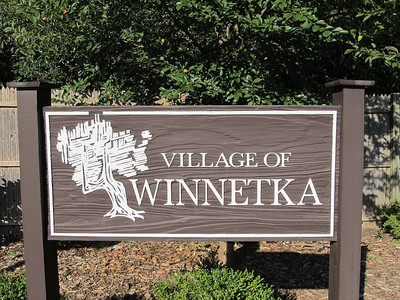
Winnetka is a village in Cook County, Illinois, United States, located 16 miles (26 km) north of downtown Chicago. The population was 12,475 as of the 2020 census. The village is one of the wealthiest places in the United States in terms of household income. It was the second-ranked Illinois community on Bloomberg's 2019 Richest Places Annual Index.
The first houses were built in 1836.That year, Erastus Patterson and his family arrived from Vermont and opened a tavern to service passengers on the Green Bay Trail post road. The village was first subdivided in 1854 by Charles Peck and Walter S. Gurnee, President of the Chicago, Milwaukee & St. Paul Railroad. Winnetka's first private school was opened in 1856 by Mr. and Mrs. Charles Peck with seventeen pupils. In 1859, the first public school building was built with private funds at the southeast corner of Elm and Maple streets. The first year's budget for this school was $200. The village was incorporated in 1869 with a population of 450. The name is believed to originate from the Potawatomi language, meaning 'beautiful place'.
The oldest surviving house in Winnetka is the Schmidt-Burnham Log House. Originally constructed on what is now the Indian Hill Club on the south edge of town and in 1917 moved to Tower Road, it was moved in 2003 from Tower Road to the Crow Island Woods.
Winnetka's neighborhoods include estates and homes designed by distinguished architects including George Washington Maher, Walter Burley Griffin, John S. Van Bergen, Robert Seyfarth, Robert McNitt, Howard Van Doren Shaw and David Adler. Among Winnetka's celebrities are actor Rock Hudson and rock singer/songwriter/producer Richard Marx.
Churches in Winnetka were also designed by noted architects. Among them, the former First Church of Christ, Scientist, 440 Ridge Avenue, was designed in 1924 by architect Solon S. Beman.
In the 1920s, a colonial Georgian house was built at 671 Lincoln Avenue. The house is now known as the famous Home Alone house for its exterior being used as a shooting location for two films in the series, starting in 1990.
The Chicago and Milwaukee Railway was built in 1855 through Winnetka, connecting its namesake cities. It eventually became the Chicago & Northwestern Railway. Between 1937 and 1942 the railroad tracks through Winnetka were grade separated after several people were hit at grade crossings. In 1995 the C&NW was merged into the Union Pacific. Only Metra trains are operated on this track now; freight operations ended in the late 1980s. Winnetka has three Metra stations: Hubbard Woods, Winnetka, and Indian Hill.
The Chicago, North Shore and Milwaukee electric interurban was built through Winnetka and the North Shore in the first decade of the 1900s, and the line through Winnetka was removed in 1955. This is now the Green Bay Trail bicycle path.
In 1904, the Winnetka Park District was established, making it the fourth oldest park district in the state of Illinois. Today, the park district maintains and operates 27 parks, five beaches, and golf, tennis, ice skating/hockey, and paddle tennis facilities.
The Crow Island School, designed by Eliel & Eero Saarinen and the architectural firm Perkins, Wheeler & Will, was declared a National Historical Landmark in 1990. It was declared 12th among all buildings and the best architectural design of all schools. Ten thousand people attended the opening in 1938.
In 1965, Martin Luther King Jr. spoke in Winnetka. A plaque dedicated to him is on the Village Green, a park in the town, where he spoke. As a result of Dr. King's open housing campaign and the North Shore Summer Project, the nonprofit now known as Open Communities was founded.