2:05 AM Why Sewage Ejector Pumps Fail — and Early Warning Signs | |
|
Sewage ejector pumps quietly move wastewater from basements, low-lying bathrooms, and below-grade fixtures up to the main sewer line. When they fail, the results can be disruptive and expensive, including backups, odor, water damage, and emergency cleanup. Understanding why these pumps fail—and what to watch for early—can help homeowners catch problems before they escalate.
Most failures trace back to a few recurring issues: blockages from non-flushable debris, pump wear from heavy use, electrical problems, and ventilation or float-switch malfunctions. Because sewage is harder on equipment than clean water, even small problems can shorten a pump’s service life. 1) Clogs and “wrong item” buildup
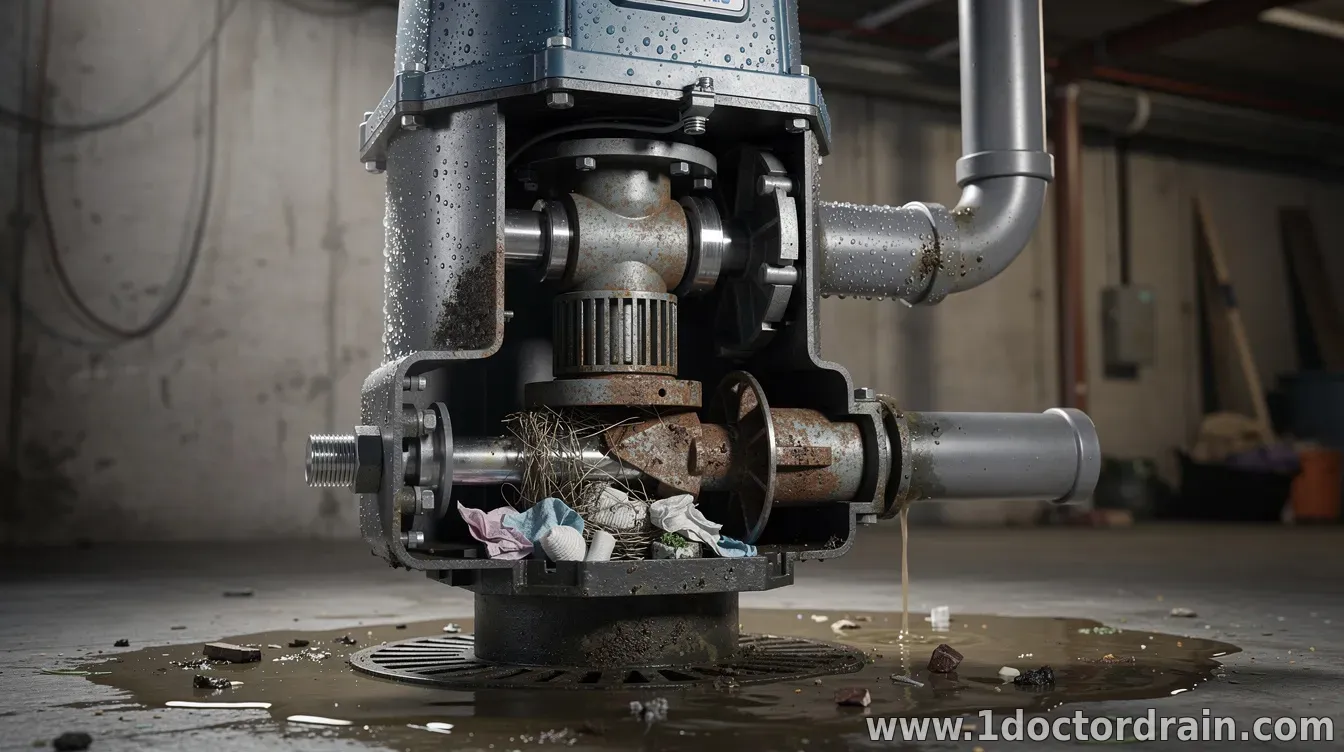
One of the most common causes is restricted flow. Grease, wipes, hair, paper products, and sediment can accumulate around the impeller or inside the pump chamber. Over time, this reduces flow rate and increases strain on the motor. In severe cases, the pump can jam and fail to move wastewater. 2) Worn impellers and internal wear
Septic and sewage environments accelerate wear. The impeller and internal seals can degrade due to constant exposure to abrasive particles and corrosive wastewater. Bearings can also wear down, leading to reduced performance, vibration, or noise. Even if the pump still runs, wear often shows up as slower pumping, reduced discharge, or longer runtimes. 3) Float switch and control problems
Many ejector systems rely on float switches (or pressure sensors) to turn the pump on and off at specific water levels. If the float becomes stuck—due to debris, misalignment, or buildup—the pump may fail to start when needed or may run continuously. Short cycling (rapid on/off) can also occur when controls malfunction. 4) Electrical failures and inadequate power
Electrical issues are another frequent culprit. Tripped breakers, failing capacitors, damaged cords, or corroded connections can prevent the pump from operating reliably. Voltage problems—especially in older installations—may cause the motor to underperform or shut down under load. Improper grounding or moisture intrusion at electrical junction points can also lead to intermittent failure.
For that reason, it’s important to treat repeated tripping of a breaker or persistent “no response” complaints as serious warning signs, not minor inconveniences. Early warning signs homeowners should not ignore
Some symptoms are subtle at first. If you notice any change in sound, timing, or the smell near the system, address it promptly.
In many homes, ejector pumps are also paired with alarms—audible, visual, or smart notifications. If an alarm triggers, investigate immediately, even if the system seems to “catch up.” Alarms are designed to signal that water is rising beyond expected levels or that the pump is not operating correctly.
What to do if you suspect a problem
If you see early warning signs, start with quick checks: confirm the breaker is on, listen for pump operation during expected load, and look for obvious leaks or standing water around the unit. However, avoid disassembling the pump without proper safety precautions—sewage systems can involve harmful bacteria and electrical risk. A licensed plumber or pump technician can inspect the impeller, check float operation, test the electrical components, and verify that discharge piping isn’t restricted.
Because sewage ejector pumps are safety-critical for below-grade plumbing, preventive maintenance is often the most cost-effective approach. Regular inspections—especially in older systems or homes with heavy usage—help reduce the odds of sudden failure and limit the risk of backups.
| |
|
| |
CALL ☎ Subscribe 👆
Next & Previous posts
Related materials:
CONTACT US 📩
Submit the form, we'll contact you as soon as possible!