NEWS

Home NEWS

☎ 224-355-8929

Drain сleaning serviсe, clogged drain, sewer cleaner, IL


Is Hydro Jetting Safe for Old Pipes?

Is Hydro Jetting Safe for Old Pipes?


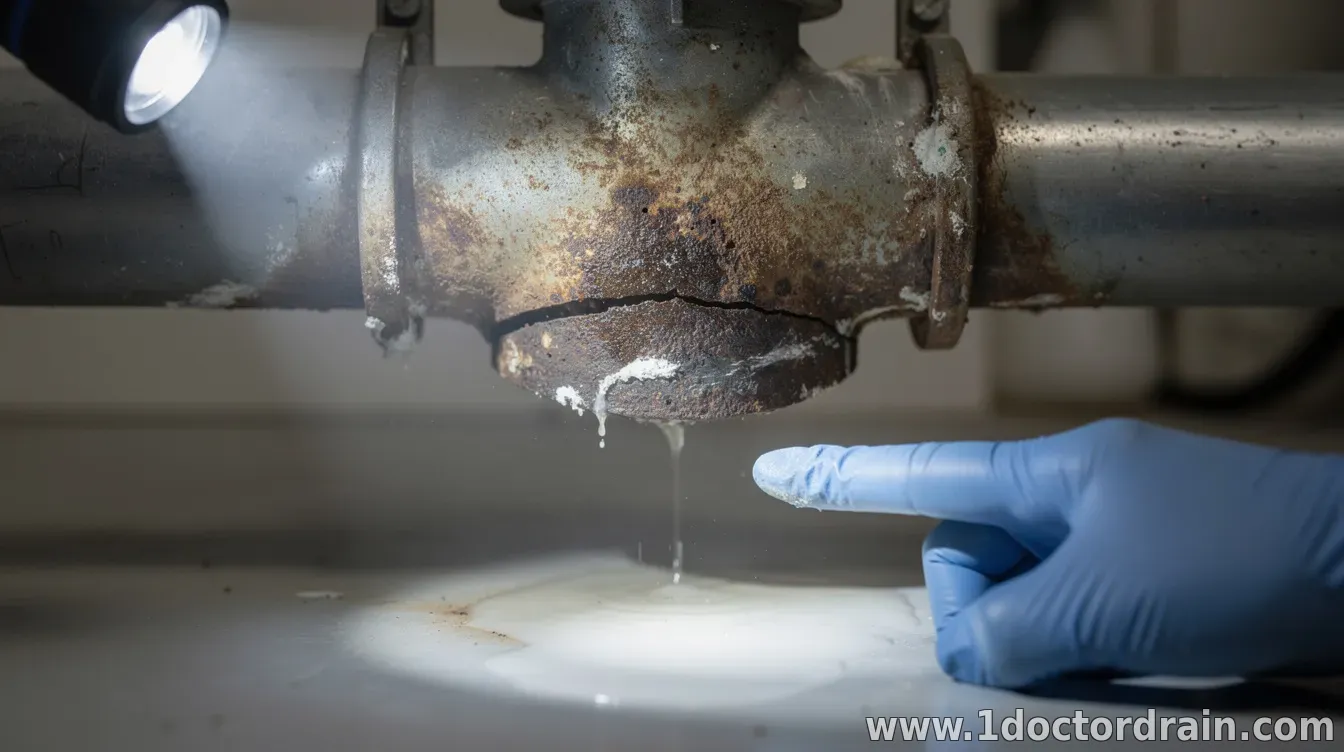
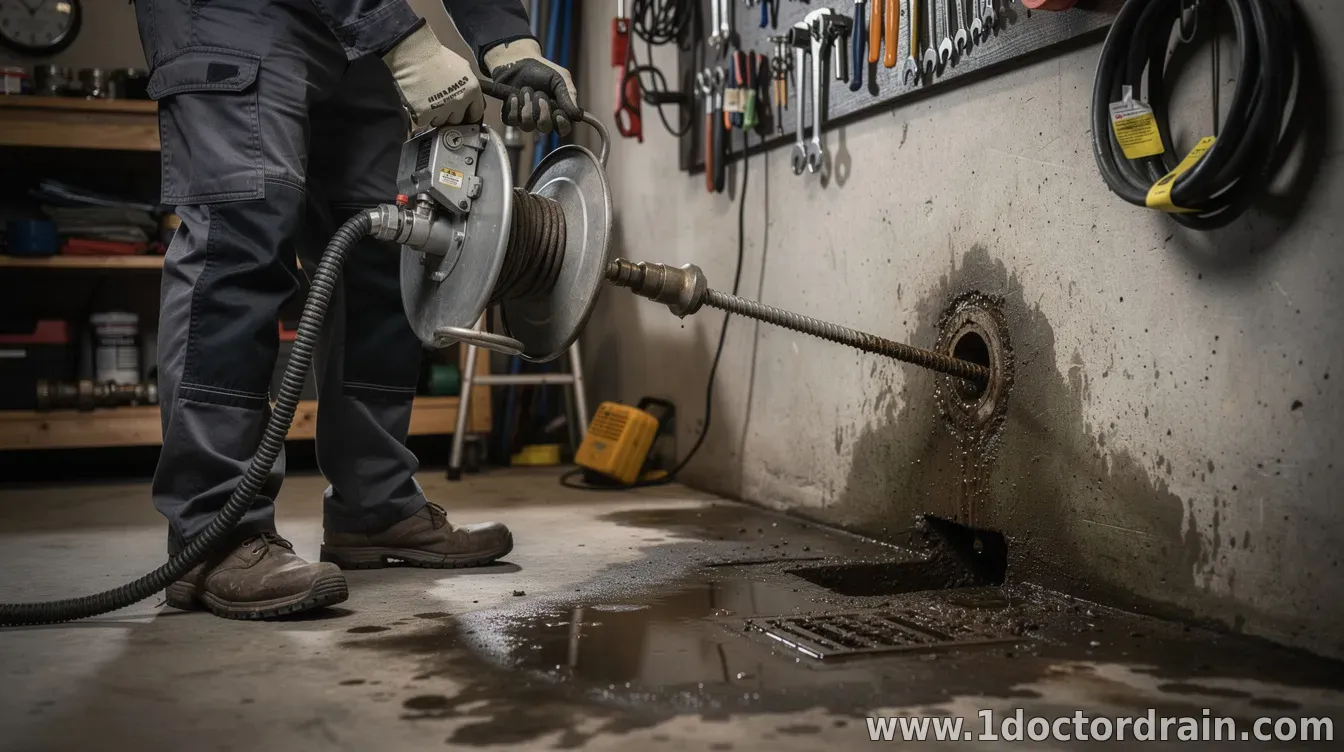
Hydro jetting—using high-pressure water to clear clogs and buildup—often works better than mechanical methods for restoring flow. But for older homes, the safety question matters: do aged pipes have the strength to handle the force?


In many cases, hydro jetting is safe for old pipes if the plumbing system is suitable for it. Professionals typically treat the process like a diagnostic step: they confirm the pipe material and condition, then select an appropriate pressure, nozzle type, and technique to avoid unnecessary stress on the line.


When hydro jetting is usually safe


If the pipes are made of durable materials (commonly certain cast iron, some PVC, or well-maintained lines), and there are no signs of major structural failure, hydro jetting can be an effective way to remove scale, grease, and mineral deposits. It can also help reduce recurring backups by cleaning the interior mor ... Read more »


Added: admin 05/04/2026 into the category «Drain cleaning serviсe» Views: 47 Commets: 0
More


Yard Drainage Problems: How a French Drain Can Help

Yard Drainage Problems: How a French Drain Can Help


Yard drainage problems are more than an eyesore. Puddles after rain, persistently damp grass, soft spots that “squish” underfoot, and soil that erodes along slopes can all signal that water isn’t moving away from your property as it should.


One common solution is a French drain—a buried trench system designed to collect and channel excess groundwater. While it’s often associated with landscaping, the underlying goal is practical: manage water flow so your yard stays usable and your plants (and nearby structures) aren’t constantly stressed by saturation.


What a French drain does


A French drain typically consists of a trench filled with clean gravel (or aggregate) that wraps around a perforated pipe. Water seeps into the gravel, flows through the voids, and is guided along the pipe to an outlet such as a storm drain, dry well, or suitable discharge are ... Read more »


Added: admin 05/03/2026 into the category «Drain cleaning serviсe» Views: 44 Commets: 0
More


Laundry Drain Clog: Causes, DIY Limits, and When to Call

Laundry Drain Clog: Causes, DIY Limits, and When to Call


A clogged laundry drain is one of those plumbing problems that escalates fast: water backs up during a cycle, clothes come out damp, and unpleasant smells can linger. While many blockages are fixable with simple tools and safe cleaning methods, some situations require a professional to prevent damage to plumbing or appliances.


Common causes of laundry drain clogs


Laundry clogs are usually caused by what goes down the drain—plus what gets dislodged over time. Common culprits include lint buildup, hair, and fabric fibers that collect in the washer’s drain hose, standpipe, or home drain line.


Other frequent contributors include detergent and softener residue (which can form sticky deposits), small objects like socks or stray items, and grease or grime tracked in from heavily soiled laundry. In some homes, older plumbing or improper venting can make clogs more likely and worsen slow drainage.

& ... Read more »

Added: admin 05/02/2026 into the category «Drain cleaning serviсe» Views: 40 Commets: 0
More


Toilet Backups: Common Causes and Sewer vs. Drain Signs

Toilet Backups: Common Causes and Sewer vs. Drain Signs


When a toilet keeps backing up, it can be frightening and inconvenient. The most common causes are blockages or plumbing issues within your home’s drain system, but in some cases the problem originates outside—at the sewer main—meaning it’s handled differently than typical household clogs.


Below are the most frequent reasons toilets back up, plus clear indicators that the issue may be a sewer problem rather than an internal drain blockage.


Common reasons a toilet keeps backing up


Toilet backups often happen when wastewater can’t flow away fast enough or gets trapped somewhere in the drainage path. Common culprits include partial clogs and debris buildup in the toilet trap, the toilet flange area, or the line that carries waste to the main drain.


Items that don’t break down easily—such as wipes labeled “flushable,” feminine hygiene prod ... Read more »


Added: admin 05/01/2026 into the category «Drain cleaning serviсe» Views: 55 Commets: 0
More


« 1 2 3 4 ... 28 29 »