
1:05 AM Excavation for Sewer Line Repair: What Homeowners Should Expect | |
|
When a sewer line problem becomes severe—such as recurring backups, persistent foul odors, or sinkholes in the yard—excavation may be necessary to access the damaged pipe. While the details vary by location, pipe depth, and the repair method, most excavation projects follow a predictable sequence that homeowners can use to prepare.
First, expect assessment and planning before any digging. Crews typically start with troubleshooting and mapping the problem area using camera inspections, locating utilities, and reviewing property records. If the work will involve traffic or sidewalks, permits and site plans may also be required. Homeowners should be prepared to coordinate access points for equipment and confirm where materials and spoil (excavated soil) will be stored. How excavation sites are set up
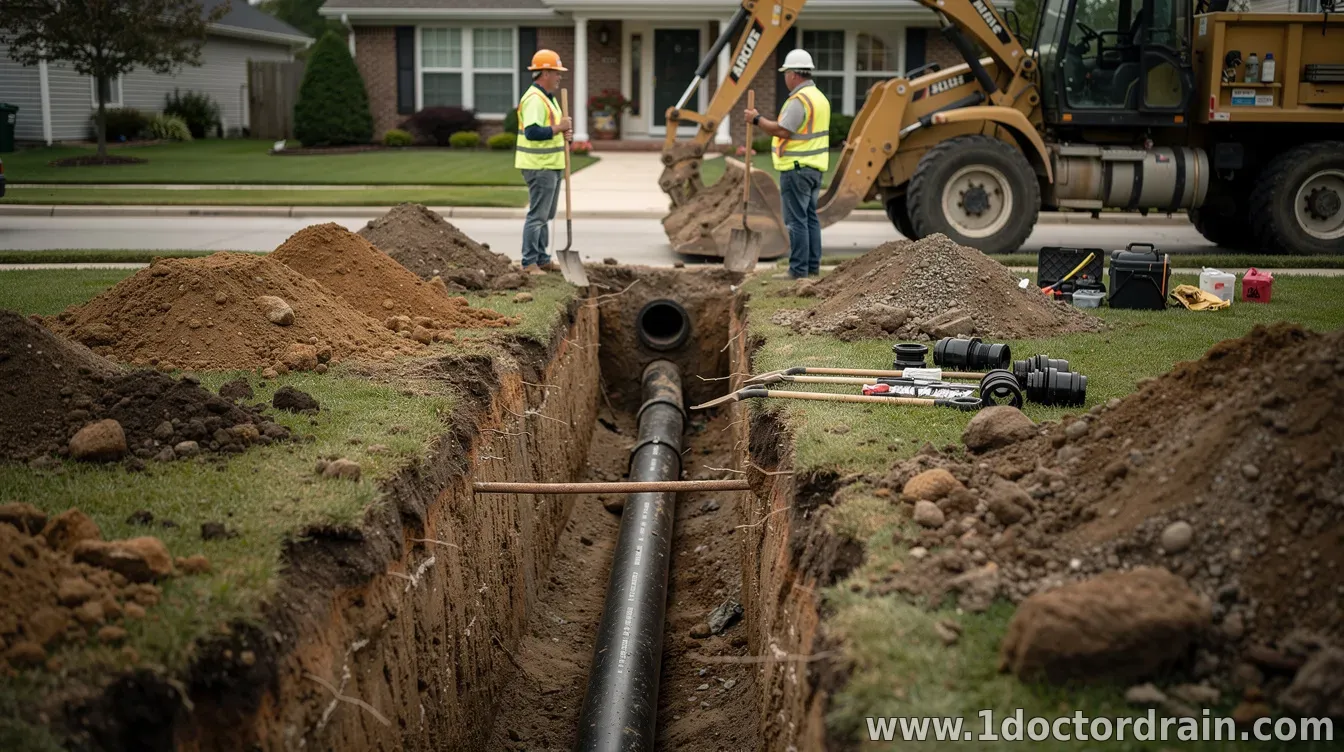
Once the scope is defined, the contractor establishes the work zone. This may include fencing, signage, and temporary protection for landscaping. Utility locator services are usually called to mark nearby lines (gas, electric, water, telecom), and crews plan excavation depth and shoring or trench safety measures. The goal is to reduce risk to workers and prevent unnecessary damage outside the sewer line area. What the digging process typically looks like
Excavation generally begins with removing surface materials (such as soil, pavers, or turf) and creating a trench or pit to reach the pipe segment. Depending on soil conditions and trench depth, contractors may use shoring systems and dewatering if groundwater is present. Homeowners may notice heavy equipment, temporary disruption to drainage, and increased noise during this phase.
During repairs, the existing sewer condition is confirmed. Even with a prior camera inspection, crews often verify the pipe’s condition once exposed. The repair may involve replacing the damaged section, rejoining joints, or addressing root intrusion and corrosion. In some cases, the project shifts from a localized repair to a broader replacement if additional deterioration is discovered.
After the work is completed, contractors reinstall any required bedding and ensure proper alignment, slope, and connections. Many projects also include testing—such as passing a camera through the line or performing pressure and/or infiltration checks—before the trench is closed. Backfilling, restoration, and cleanup
The final phase involves backfilling the excavation, compacting soil in lifts, and restoring the surface to an approved condition. Restoration can range from replacing sod and topsoil to rebuilding pavers or patching concrete/asphalt. Weather can affect restoration timelines, and some areas may require additional curing time before full landscaping or vehicle loads resume.
Homeowners should also ask about documentation. A well-run project typically includes before/after photos, test results, and details of the repaired pipe length and materials. If permits are required, final inspection notes may be provided as well.
Planning ahead can make excavation projects smoother. Before work starts, consider discussing the expected duration, preferred hours of operation, dust and debris controls, and how access will be managed for gates, driveways, and parking. If the sewer issue is active (for example, frequent clogs), ask whether there are interim usage recommendations to avoid worsening the damage while excavation is scheduled.
While sewer line excavation can be inconvenient, understanding the typical workflow—assessment, site preparation, safe digging, verified repair, testing, and careful restoration—helps homeowners set realistic expectations and reduce surprises.
| |
|
| |
CALL ☎ Subscribe 👆
Next & Previous posts
Related materials:

CONTACT US 📩
Submit the form, we'll contact you as soon as possible!