1:18 AM Preventing Downtime: A Commercial Drain Maintenance Checklist | |
|
Drain downtime is one of those building problems that rarely stays small. When commercial lines clog—whether from grease, food waste, sediment, scale, or mismanaged cleaning—businesses often face blocked fixtures, unpleasant odors, water damage, and costly emergency calls.
A structured maintenance routine helps you spot risks early, stay compliant with local requirements, and reduce the chance of sudden failures. 1) Map the drainage system and define service zones
Start by understanding what you actually have. Create a current map of drainage routes, including floor drains, storm lines, grease interceptor connections, cleanouts, and any rooftop or yard drainage paths. Label service areas by risk level (high-usage kitchens, loading docks, wash bays, medical/industrial suites) and document who is responsible for inspections.
If the building has multiple tenants, align on shared drains and clarify access for maintenance teams. 2) Set an inspection and cleaning schedule
Use a baseline frequency, then adjust based on usage and past incidents. As a starting point, many facilities benefit from regular inspections and targeted cleaning—rather than waiting for symptoms like slow flow or recurring backups.
Track findings in a log so patterns are visible: the same fixture that drains slowly every month, the same section that floods during heavy use, or the same cleanout that repeatedly shows debris buildup.
Common triggers for increased frequency include: new menu items or process changes, renovations, expanded equipment (dishwashers, garbage disposals, steam tables), seasonal demand changes, and any recent repairs. 3) Control the biggest clog drivers: grease, solids, and sediment
For commercial kitchens and food service areas, grease is a leading cause of drain problems. Ensure grease interceptors are properly sized, maintained, and serviced on schedule. Confirm that staff know what can and cannot go into drains, and verify that strainer baskets and pre-treatment systems are used correctly.
Beyond grease, solids and sediment build up over time. Develop a plan for removing hair, paper, grit, and debris from relevant points—especially floor drains in high-traffic areas and drains exposed to outdoor elements.
If your operation involves sand, dust, or industrial particulates, prioritize pre-separation and routine checks of upstream filters or traps. 4) Use the right tools: prevent damage and improve detection
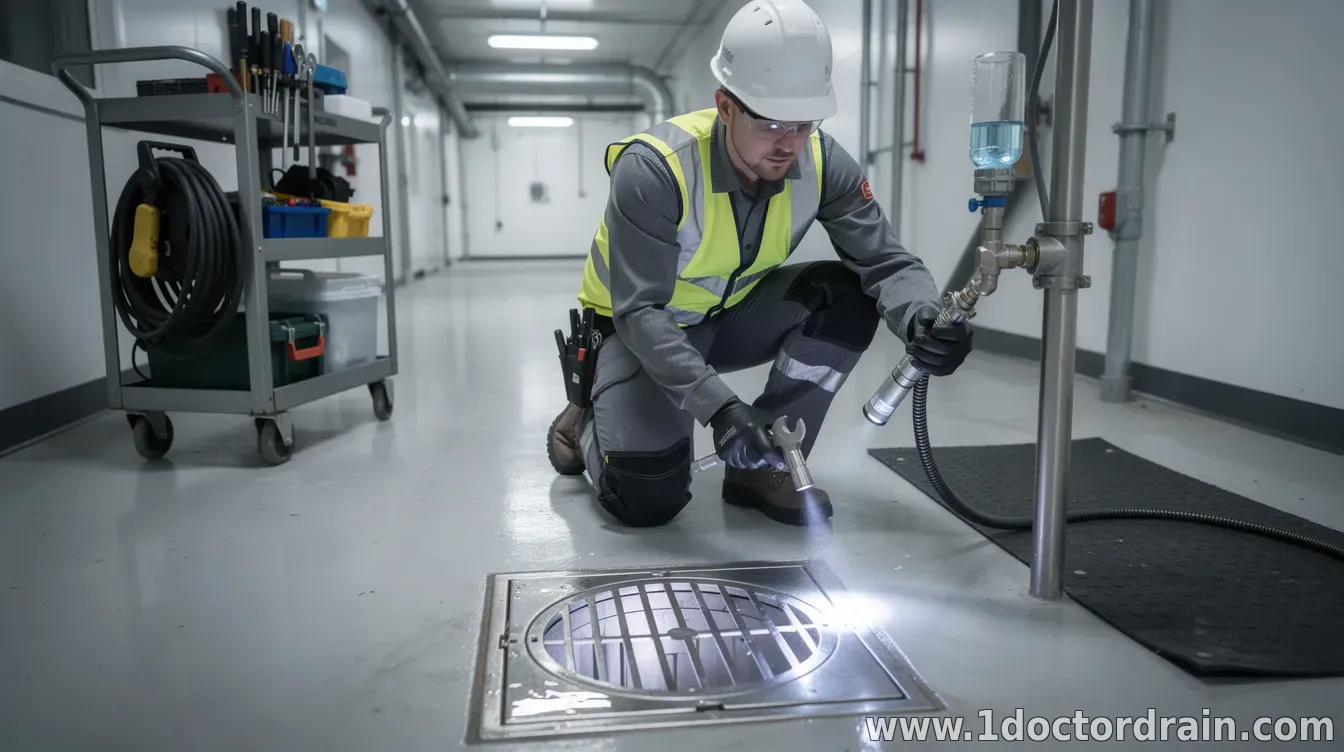
Not every situation should be handled the same way. Routine snaking or basic flushing may help in early-stage buildup, but more persistent blockages can require mechanical cleaning, hydro-jetting, or camera-based inspection to verify the condition of the line.
Camera inspections are particularly valuable when you need to confirm suspected issues—such as collapsed sections, root intrusion, cracked piping, misaligned joints, or recurring buildup at a specific location.
Work with a qualified drain service provider and specify what outcomes you want: clear flow, verified pipe condition, and documented evidence of what was found and corrected. 5) Maintain traps, vents, and fixtures to avoid “secondary” failures
Backups are often preceded by problems with traps and vents that affect how water and air move through the system. Make sure floor drains and sink/drain assemblies are installed correctly, seals are intact, and there’s no broken or missing hardware.
Check for venting issues that can cause slow drainage or siphoning. If odors appear, they may indicate dry traps, failed seals, or airflow problems—not just a clogged line.
Infrequently used fixtures also need attention. Drying out traps can create odor concerns and cause airflow changes that complicate drainage. 6) Document compliance and safety requirements
Maintenance isn’t only about performance—it’s also about documentation. Keep records of cleaning dates, inspection results, interceptor service reports, and any repairs made to shared or critical drains.
Where applicable, ensure procedures align with local regulations for wastewater handling and grease management. If your facility is subject to audits or tenant agreements, clear documentation can reduce disputes and speed up corrective actions.
Finally, build safety into the workflow. Confirm that confined-space procedures, lockout/tagout practices, and site access controls meet company policy and contractor requirements. 7) Prepare an “abnormal event” response plan
Even with maintenance, unexpected clogs happen. Create a simple playbook for abnormal events so staff know what to do immediately to minimize downtime and water damage.
Include escalation steps, contact information for your preferred drain contractor, and internal responsibilities for shutting off related equipment, isolating affected areas, and preventing additional loading of debris into the line.
Prioritize quick mitigation—like limiting usage of the affected fixtures—while the contractor investigates the cause rather than only clearing the symptom. 8) Measure results and improve the program
After each service visit, update your checklist and schedule based on what you learn. If the same area keeps accumulating debris, adjust frequencies, revisit operating practices, or invest in upstream controls. If camera inspections reveal deterioration, plan targeted repairs to avoid repeat emergency calls.
Over time, the goal is not just “more maintenance,” but smarter maintenance: fewer surprises, faster restoration, and improved reliability across your drainage network.
By combining routine inspections, targeted cleaning, grease and solids control, and good documentation, commercial facilities can significantly reduce drainage downtime—and keep operations moving when it matters most.
| |
|
| |
CALL ☎ Subscribe 👆
Next & Previous posts
Related materials:

CONTACT US 📩
Submit the form, we'll contact you as soon as possible!