NEWS

Home NEWS

☎ 312-532-6435

Drain сleaning serviсe, clogged drain, sewer cleaner, IL


Laundry Drain Backups: What’s Different and Why It Matters

Laundry Drain Backups: What’s Different and Why It Matters


When a sink or tub backs up, homeowners often think “a clog in the main line.” With laundry drain backups, the story is frequently more specific: washers discharge large volumes of water on a timer, and their drainage depends on correct flow through the home’s drain and vent systems.


That’s why laundry backups can behave differently—starting during certain wash stages, affecting other fixtures inconsistently, or returning with repeating patterns after each load.


Timing and symptoms: the washer clues


Many laundry backups show up at predictable moments in the wash cycle. For example, issues may appear when the washer is draining, during spin cycles, or after the tub fills and releases water. Homeowners may notice standing water in the laundry standpipe or utility sink, gurgling sounds from the drain, and slow drainage that worsens with heavier loads.


Because wa ... Read more »


Added: admin 09/06/2026 into the category «Drain cleaning serviсe» Views: 8 Commets: 0
More


Floor Drain Odors: Causes and Fixes

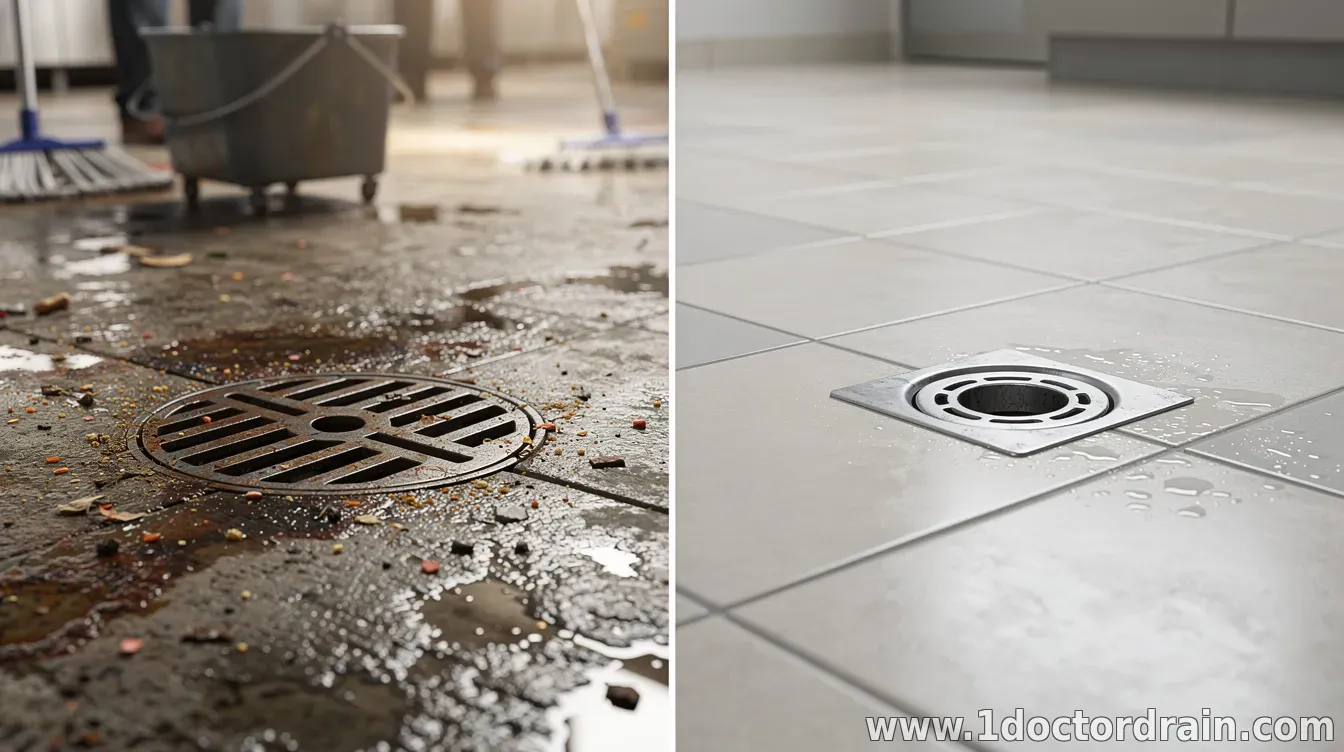
Floor Drain Odors: Causes and Fixes


Unpleasant smells near a floor drain are more than an annoyance—they can signal a plumbing problem that allows sewer gas to escape indoors. While some causes are simple to correct, others may require a plumber, especially if the odor returns quickly or is accompanied by slow drains or gurgling.


Below are the most common reasons floor drains develop odors and practical steps to eliminate the smell and reduce the chance it comes back.


Why floor drains smell


The leading culprit is usually a dry trap. Floor drains are connected to plumbing that includes a U-shaped or similar barrier called a trap. It holds a small amount of water that blocks sewer gas. If the water evaporates—commonly in infrequently used drains—the odor can seep through.


Another frequent cause is residue buildup. Hair, soap scum, grease, and organic debris can accumulate in or around the drain and ... Read more »


Added: admin 09/05/2026 into the category «Drain cleaning serviсe» Views: 14 Commets: 0
More


Seasonal Drain Maintenance Checklist for Homeowners

Seasonal Drain Maintenance Checklist for Homeowners


Seasonal drain problems rarely appear out of nowhere. Tree debris in fall, heavy cooking and grease buildup in winter, and summer runoff can all overwhelm pipes and strain fixtures. A short, consistent maintenance routine can help keep water flowing and reduce the risk of backups.


Spring: Clear debris and improve flow


After winter weather and thaw cycles, inspect exterior drainage paths and clean out any visible buildup. Check gutters and downspouts for blockages, confirm that downspouts discharge away from foundation areas, and ensure surface drains are not buried with leaves or soil.


Inside, run water in all sinks and tubs to confirm steady drainage. If a drain moves slowly, don’t wait for it to worsen—remove hair and residue from accessible strainers, then clean the drain opening with a drain-safe method appropriate for your household setup.


Summer: Prevent grease, soap, ... Read more »

Added: admin 09/04/2026 into the category «Drain cleaning serviсe» Views: 19 Commets: 0
More


Why DIY Chemical Drain Cleaners Can Damage Older Pipes

Why DIY Chemical Drain Cleaners Can Damage Older Pipes


Chemical drain cleaners are marketed as fast solutions for slow or clogged drains, but homeowners in older houses should treat them as a high-risk option. Older pipes—often made with materials that are more vulnerable to chemical attack—can suffer corrosion, pitting, and joint damage after repeated use or even one strong application.


Most DIY drain cleaners rely on harsh ingredients such as sodium hydroxide (lye) or sulfuric acid. These substances are designed to dissolve organic matter, but they don’t reliably “stop” at the clog. Instead, they can keep reacting once they reach pipe surfaces, accelerating deterioration inside the plumbing.


Corrosion risk for older pipe materials


Homes with older plumbing may have pipes made from older metals or thin-walled alloys whose protective layers are already compromised by age, mineral buildup, or previous repairs. Strong ca ... Read more »


Added: admin 09/03/2026 into the category «Drain cleaning serviсe» Views: 24 Commets: 0
More


1 2 3 ... 56 57 »