0:51 AM Video pipe inspection before buying a home: key checks | |
|
A video pipe inspection (often called a sewer scope or drain cam) can show issues that home inspectors and open-trench checks can miss—especially inside walls, under slabs, or buried near the property line. If you’re considering a purchase, the goal isn’t just to find “problems,” but to identify what they mean for cost, safety, and how urgently they need attention.
Start by confirming what system the camera covers. Ask whether the scope includes the main sewer line from the house to the city connection (or property line), plus accessible interior drains (like kitchen, laundry, and bathrooms). Limitations matter: some contractors can’t inspect every section due to cleanout placement, access restrictions, or severe blockages. Make sure you understand the coverage area before drawing conclusions. 1) Look for signs of active leaks and infiltration
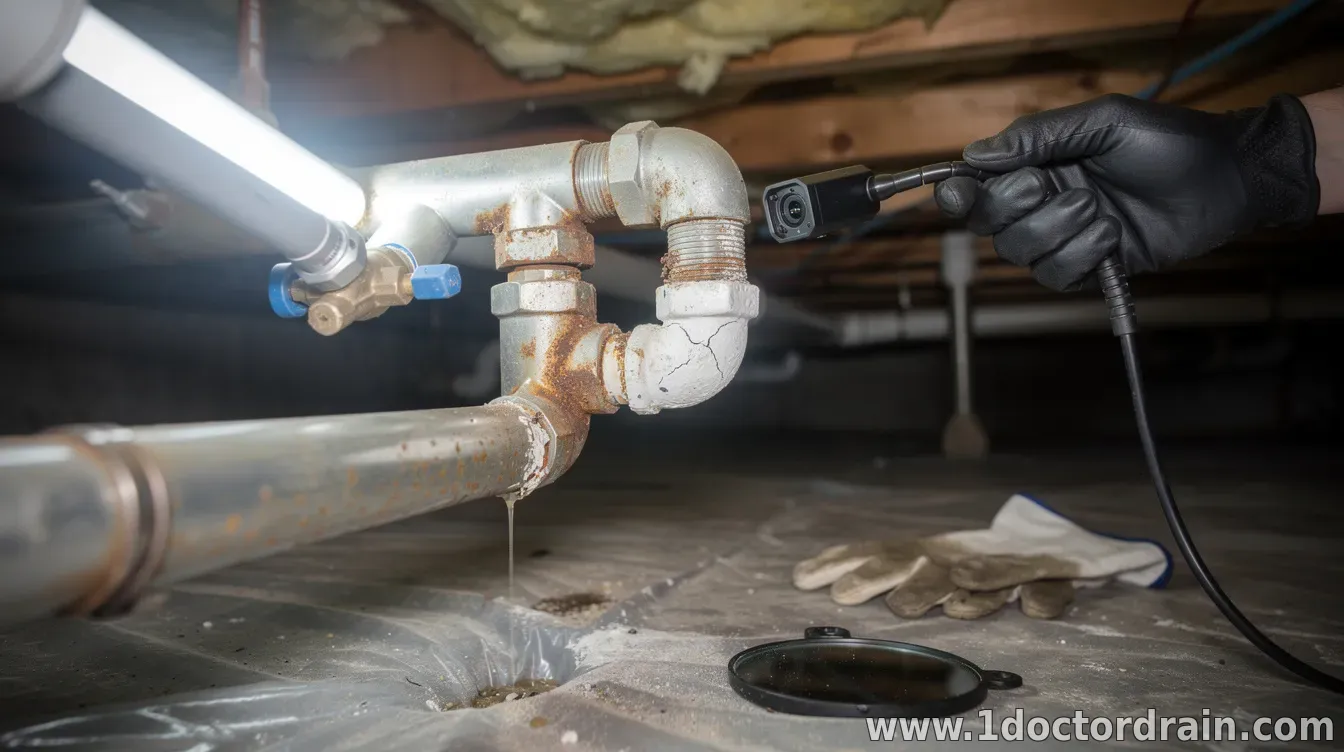
In footage, leaks and infiltration may appear as wet spots along the pipe walls, water running where it shouldn’t, or evidence of groundwater entering cracks and joints. Chronic infiltration can accelerate corrosion, worsen clogs, and increase the risk of backups. If the camera shows ongoing water flow or damaged joints, ask for a repair plan and whether any nearby grading or drainage adjustments are needed. 2) Check for corrosion, scaling, and pipe material condition
Older homes often have cast iron, clay, or older plastic sections. Camera images may show pitting, flaking, or heavy scaling—especially near bends or low spots where solids collect. Corroded pipe walls can narrow the flow path, making future clogs more likely. Note the location: issues near the start of the run can affect everything downstream, while localized spots may be easier to isolate and repair. 3) Identify cracks, root intrusion, and joint displacement
Cracks may appear as straight separations along the pipe wall; joint displacement may show offset seams between sections. Root intrusion can look like branching or masses growing into the pipe, often at older joints or where the line changes direction. These findings usually come with different remediation options, from mechanical cleaning to spot repairs or full segment replacement, depending on the extent. 4) Evaluate clogs and flow restrictions
Some blockages are temporary (like debris from prior use), while others indicate a structural problem. In the footage, clogs can appear as dense material narrowing the diameter, debris curtains, or slow movement of water during the scan. If the inspector performs a cleaning jet beforehand, ask whether the “final” footage still shows restrictions or re-accumulation points. 5) Note the pipe geometry: bends, offsets, and low points
Cameras can reveal misalignment, sharp offsets, and low-slope sections that trap solids. Even if the pipe isn’t cracked, poor geometry can cause recurring stoppages and sewage odors. Pay attention to problem areas near elbows, cleanouts, or transitions—those are common places where flow becomes turbulent and solids settle.
What to ask for after the inspection. A good report should include a clear map or run diagram, footage timestamps, the pipe material and diameter, and a description of defects with rough severity. Ask whether a plumber or trenchless specialist recommends spot repair versus liner (where appropriate), and request an estimate range for the specific sections identified. If severe defects are found near the main line, prioritize recommendations urgently rather than relying on repeated cleanouts.
How to use the findings in your purchase decision. Treat the scope results as a bargaining and risk tool. Light, localized issues might be negotiated as a credit or repair item; widespread damage, major infiltration, or extensive root intrusion may justify walking away or renegotiating terms more aggressively. If you’re comparing multiple properties, compare both the number of issues and their location relative to the main line and critical downstream points.
Finally, remember that video inspection quality depends on preparation and access. Ask for documentation of cleaning (if performed), the camera’s ability to reach the furthest point, and what sections could not be fully viewed. With that context, the footage becomes a practical roadmap for what you’re buying—and what you may need to fix soon.
| |
|
| |
CALL ☎ Subscribe 👆
Next & Previous posts
Related materials:
CONTACT US 📩
Submit the form, we'll contact you as soon as possible!