Doctor Drain Services in Rolling Meadows
Rolling Meadows residents are seeing a growing need for professional drain services as everyday plumbing problems show up more often in both homes and commercial properties. When pipes and fixtures age, even small issues can escalate into slow drainage, frequent clogs, or unpleasant odors. Seasonal weather can also add pressure to local systems, which may increase the likelihood of blockages during periods of heavy rainfall. Because of this, many area plumbing companies are reporting more frequent calls for clogged drains, sump pump malfunctions, and sewer backups, leading more homeowners to look beyond quick fixes toward preventative maintenance and emergency preparedness.
What is fueling this trend? In some areas of the Chicago suburbs, older municipal infrastructure and aging residential connections can contribute to stress on drainage systems. At the same time, heavy rain can push water through pipes faster than they can drain, and tree root intrusion can gradually interfere with flow by entering small openings or weak spots. For property owners in Rolling Meadows, the practical takeaway is to take inventory of how their drainage system is set up, identify key components that may require attention, and learn when drain cleaning is enough versus when more involved repair may be necessary. Just as important, residents should know the signs that indicate it is time to call an emergency plumber.
Key services you will typically encounter include camera inspections, trenchless pipe repair, hydro-jetting for stubborn blockages, sump pump installation and repair, and trenchless sewer replacement. A camera inspection, for example, helps narrow down where a problem starts and what type it is, rather than relying on guesswork. Trenchless solutions can be especially useful when you want to reduce disruption while addressing damaged sections. Hydro-jetting is often used when buildup or debris resists standard methods, and sump pump work can be critical when basements or crawl spaces are at risk of water intrusion. Many reputable providers in Rolling Meadows also advertise 24/7 emergency assistance, transparent pricing, and up-front estimates so homeowners can plan rather than react blindly. When comparing providers, look for appropriate licensing and insurance, clear guarantees on workmanship, and warranty terms stated in plain language.
Beyond calling for service when problems happen, experts recommend simple preventative habits that can reduce the chances of clogs and backups. Using drain screens can help catch hair and larger debris before they enter pipes. Avoiding grease disposal down sinks is another common-sense step, since grease can build up over time and contribute to restriction. Scheduling routine maintenance also matters, because early attention to minor slowdowns or recurring issues may prevent more disruptive repairs later. Some local plumbing businesses offer maintenance plans designed to help customers stay on track, including check-ins aligned with seasonal conditions and reminders to monitor how drainage is performing when usage demands shift.
If you are dealing with a backup or a persistent clog, the next steps are straightforward and can improve the outcome of a diagnostic visit. Start by documenting what has changed—when the problem began, which drains are affected, and whether symptoms are getting worse. If applicable, gather basic information about the plumbing system such as the approximate age of the sewer line, the type of sump pump, and any recent repairs or treatments that were attempted. Then contact a licensed provider for a professional assessment. Based on what the diagnosis shows, the recommended options can range from targeted cleaning to repairing a damaged section, or in some cases full pipe replacement. Contact details and service areas are typically posted on each provider’s website, and many Rolling Meadows-focused firms emphasize quick response times and local familiarity to help residents receive guidance without unnecessary delays.
In short, Rolling Meadows households can reduce disruption by choosing licensed, transparent service providers and treating preventative maintenance as part of home care. As weather patterns and aging infrastructure continue to place additional strain on drainage systems, having a trusted local plumber you can reach quickly can help limit downtime, protect property, and reduce stress when an issue emerges. With the right support and timely action, many drainage concerns can be managed effectively before they become major problems.
-
Power Rodding
-
Hydro Jetting
-
Video Inspection
-
Drain Repair
-
Drain Cleaning
-
Sewer Cleaning
-
Sump pump
-
Sewage Ejector Pump
-
Main Line Rodding
-
Bathtub Drain
-
Bathroom Sinks
-
Kitchen Drain
-
Laundry Drain
-
Toilets
-
Floor Drain
-
Storm Drain
Trusted 24/7 Drain Cleaning Experts in Rolling Meadows, IL: Fast Local Service & Proven Results
When a stubborn household clog or main sewer backup threatens your Rolling Meadows home, you need a dependable local team that arrives fast and gets the job done right. At 1 Doctor Drain, our certified master plumbers deliver prompt, professional 24/7 drain cleaning, clog removal, and sewer maintenance services throughout Rolling Meadows and the surrounding northwest suburbs. Equipped with commercial-grade motorized cables, high-pressure hydro-jetters, and high-definition video inspection cameras, we clear your lines right the first time. Call our 24/7 dispatch hotline right now at (312) 532-6435 for immediate emergency dispatch or to schedule service:
24/7 Emergency Dispatch: Rapid-response local technicians stationed near Rolling Meadows, ready day and night, weekends, and holidays.
Licensed & Insured Professionals: Highly trained, certified plumbing experts skilled in local Chicagoland building codes and residential infrastructure.
Upfront Transparent Pricing: Honest, flat-rate pricing with no hidden fees or surprise charges before any plumbing work begins.
Comprehensive Local Care: Full-service clog removal covering kitchen sinks, bathroom fixtures, main sewer lines, sump pumps, and floor drains.
100% Satisfaction Guarantee: We stand firmly behind the quality of our craftsmanship, utilizing premium-grade equipment and industry-leading standards.
Rolling Meadows Drain & Sewer Services Snapshot
Professional wastewater solutions engineered specifically for homes and businesses in Rolling Meadows, IL:
Service Category Primary Solutions & Capabilities Operational Benefit Emergency Clog Removal 24/7 rapid response for overflowing toilets, sinks, and tubs Stops indoor flooding and protects your property from water damage. Main Sewer Power Rodding Heavy-duty rotating steel cables to clear tree roots and municipal line clogs Restores full wastewater flow from house to city main instantly. Sewer Video Inspection High-definition fiber-optic scoping of underground lateral pipes Pinpoints exact structural cracks, offsets, and root intrusions. Hydro-Jetting Scouring 4,000 PSI high-pressure water pipe wall cleaning Eliminates stubborn grease, scale, and sludge buildup completely. Sump Pump & Ejector Care Protecting Rolling Meadows basements during heavy seasonal storms Prevents catastrophic basement flooding and foundation water damage.
Professional Plumbing Solutions Tailored to Rolling Meadows Properties
From established residential neighborhoods to commercial properties, Rolling Meadows buildings require specialized plumbing maintenance to keep drainage systems flowing smoothly year-round. Our local services address every need:
Rapid Emergency Clog Relief: When kitchen sinks or bathroom drains back up unexpectedly, our local mobile units arrive quickly with commercial augers to clear the obstruction without damaging your pipes.
Heavy-Duty Main Line Power Rodding: Mature trees throughout Rolling Meadows frequently push roots into underground sewer lines. Our high-torque rodding equipment shreds roots and opens blocked laterals on contact.
Pre-Purchase Sewer Scoping: Buying a home in the area? Our high-definition video inspections reveal hidden pipe damage, bellies, or root intrusion before you finalize your real estate investment.
Basement Flood & Sump Pump Protection: Heavy seasonal rains can overwhelm local water tables. We install and service high-capacity sump pumps and battery backup systems to keep your basement completely dry.
Our Fast & Seamless Service Process
Immediate Call & Dispatch: Call us at (312) 532-6435. Our dispatcher evaluates your plumbing issue and dispatches our closest local Rolling Meadows technician to your location.
On-Site Assessment & Upfront Quote: Our technician inspects your plumbing setup, identifies the exact source of the problem, and provides a clear, upfront quote before starting work.
Professional Service Execution: Utilizing commercial-grade cleaning equipment or repair tools, we resolve your drainage issue efficiently and cleanly according to local codes.
Flow Testing & Cleanup: We thoroughly test water drainage, clean our work area spotless, and verify your complete satisfaction before leaving.
Frequently Asked Questions: Rolling Meadows Drain Services
Q: How fast can a plumber arrive at my Rolling Meadows home for an emergency clog?
A: Because our service vans are strategically stationed throughout the northwest suburbs, we typically arrive at your Rolling Meadows property within 30 to 45 minutes of your emergency call.
Q: Why do Rolling Meadows sewer lines frequently get invaded by tree roots?
A: Rolling Meadows features many established neighborhoods with mature trees. Tree roots naturally seek out moisture sources and will penetrate tiny joints or microscopic cracks in older clay or cast iron sewer pipes, causing recurring clogs.
Q: Do you charge extra for weekend or night emergency calls in Rolling Meadows?
A: We believe in honest, transparent service. We provide straightforward, flat-rate pricing with no hidden surprises, even when you call us in the middle of the night or on holidays.
Q: Are your plumbing technicians fully licensed and insured in Illinois?
A: Absolutely. Every technician on our team is fully licensed, bonded, and insured, ensuring professional plumbing services that comply strictly with all Illinois and local Rolling Meadows building codes.
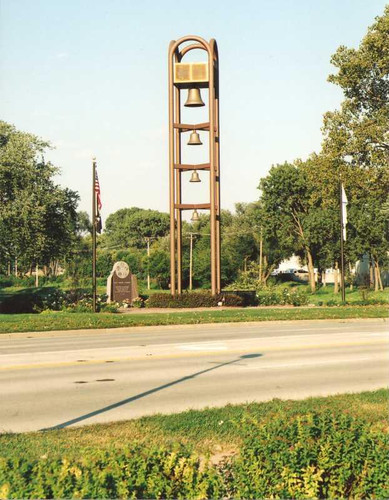
Rolling Meadows is a city in Cook County, Illinois, United States. Per the 2020 census, the population was 24,200.
In 1836, Orrin Ford became the first landowner in the area that is now Rolling Meadows, staking his claim of 160 acres (0.65 km2) in an area known as Plum Grove. Other farm families followed, many traveling from Vermont. By the early 1840s, settlers had built a dam across Salt Creek and had laid claim to the entire Plum Grove area.
The community became part of the newly formed Palatine Township in 1850 as German immigrants arrived. In 1862, the Salem Evangelical Church was built, and the church's 40-foot-square (12 m) cemetery still exists at the corner of Kirchoff and Plum Grove roads.
In 1927, H.D. "Curly" Brown bought 1,000 acres (4.0 km2) of land in the area with the intention of building a golf course, along with land adjacent to it for a racetrack. In the early 1950s, Kimball Hill purchased the land intended for the golf course, and began home sales by advertising a floor plan of his basic house in the Chicago Tribune. Although the response was positive, officials in neighboring Arlington Heights protested, hoping to buy the land themselves for estate homes. However, prospective buyers of the Kimball Hill homes persuaded the Cook County Board for zoning changes to allow Hill to proceed.
In 1953, the first families moved into the development, which Hill named Rolling Meadows, and 700 houses were sold by 1955, mostly to blue-collar workers. Hill donated $200 per home for a school system, and then built and equipped the first elementary school. He also founded the Rolling Meadows Homeowners' Association and donated land for parks, as well as funded the Clearbrook Center, which is a home for individuals with cognitive disabilities that opened in 1955.
Rolling Meadows incorporated as a city in 1955 and soon began annexing land for future development. The town boomed during the 1950s and 1960s as businesses moved into the area. Crawford's department store opened in 1957 and was the largest in the northwest suburbs, although it closed in 1994. An industrial park opened on North Hicks Road in 1958, and Western Electric opened a facility in the 1960s, employing 1,500 workers. Developers saturated the area with apartment buildings, and by 1970, multifamily dwellings made up 35 percent of the total structures in Rolling Meadows. Rolling Meadows complexes, however, suffered from a series of fires in the decade, prompting the city to become more stringent in their building codes, which had allowed for frame multifamily structures.
By 2000, the city had begun revamping commercial areas along Kirchoff Road. In the south end of the city on Golf Road, corporations such as 3Com, Helene Curtis, and Charles Industries established bases in what has become known as the Golden Corridor.