0:42 AM Power Rodding vs. Hydro Jetting: Which Works? | |
|
When a drain backs up, the quickest path back to normal is the right kind of cleaning. Two common options—power rodding and hydro jetting—can both restore flow, but they work differently. Choosing the wrong method can mean wasted time, repeat clogs, or unnecessary wear on plumbing.
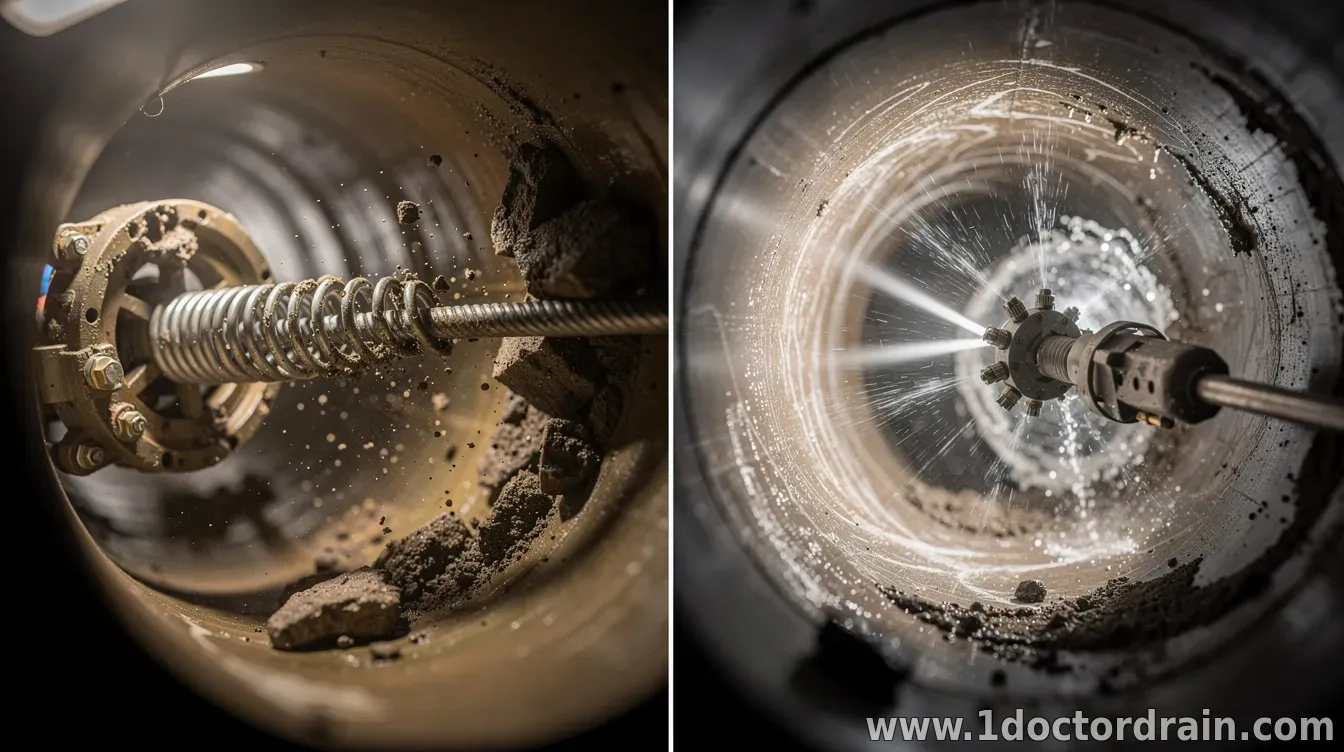
Power rodding uses a mechanical cable with rotating or cutting attachments to break apart and remove obstruction. It’s typically effective for solid, localized blockages such as hair, small debris, grease-impacted buildup that’s become stuck, or material lodged deeper in a line. What power rodding is best for
For many routine clogs, power rodding is the practical first choice. Technicians often recommend it when the blockage is likely confined to one section of pipe and needs to be physically broken up. It can help restore partial flow quickly, which is useful when time is a priority or when only certain sections are affected.
That said, power rodding primarily focuses on removing what’s blocking the line. If the underlying issue is an ongoing buildup—like scum layers, grease, scale, or residue clinging to the pipe walls—power rodding may clear the immediate obstruction without fully addressing the cause. How hydro jetting works
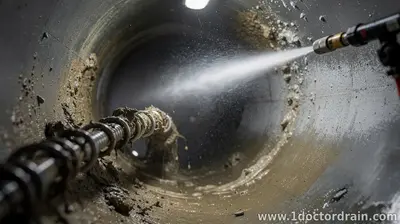
Hydro jetting uses high-pressure water to scour pipe walls and flush out debris. Instead of just breaking through the obstruction, it works to remove buildup along the full length of the run. This makes hydro jetting especially relevant for problems driven by buildup rather than a single, hard-to-remove stoppage.
Hydro jetting is commonly considered when clogs repeat, when cameras show significant deposits, or when the goal is deeper cleaning after a tough blockage. By washing the interior surface, it can reduce the chances of the same residue causing another backup soon after a basic clean. Which one should you choose?
In practice, the best choice depends on what’s causing the blockage and what your plumbing needs next. If you suspect a localized clog, mechanical rodding may be enough to get flow restored. If you’re dealing with recurring backups, heavy buildup, or residue visible on inspection, hydro jetting is often the more complete solution.
It’s also worth noting that the “strongest” option isn’t always the right one. The pressure and technique used in hydro jetting must be appropriate for the pipe condition and configuration, while power rodding attachments should be selected to avoid unnecessary damage. A qualified technician can balance effectiveness with the plumbing’s long-term health.
Bottom line: power rodding is often the go-to for specific obstructions, while hydro jetting is typically better for deep cleaning and buildup-driven problems. If you’re unsure what’s behind the backup—or if it keeps returning—camera inspection and professional assessment can help you pick the method that clears the problem and lowers the chance of it coming back.
| |
|
| |
CALL ☎ Subscribe 👆
Next & Previous posts
Related materials:

CONTACT US 📩
Submit the form, we'll contact you as soon as possible!