1:57 AM Why One Multi-Unit Drain Clog Can Affect Everyone | |
|
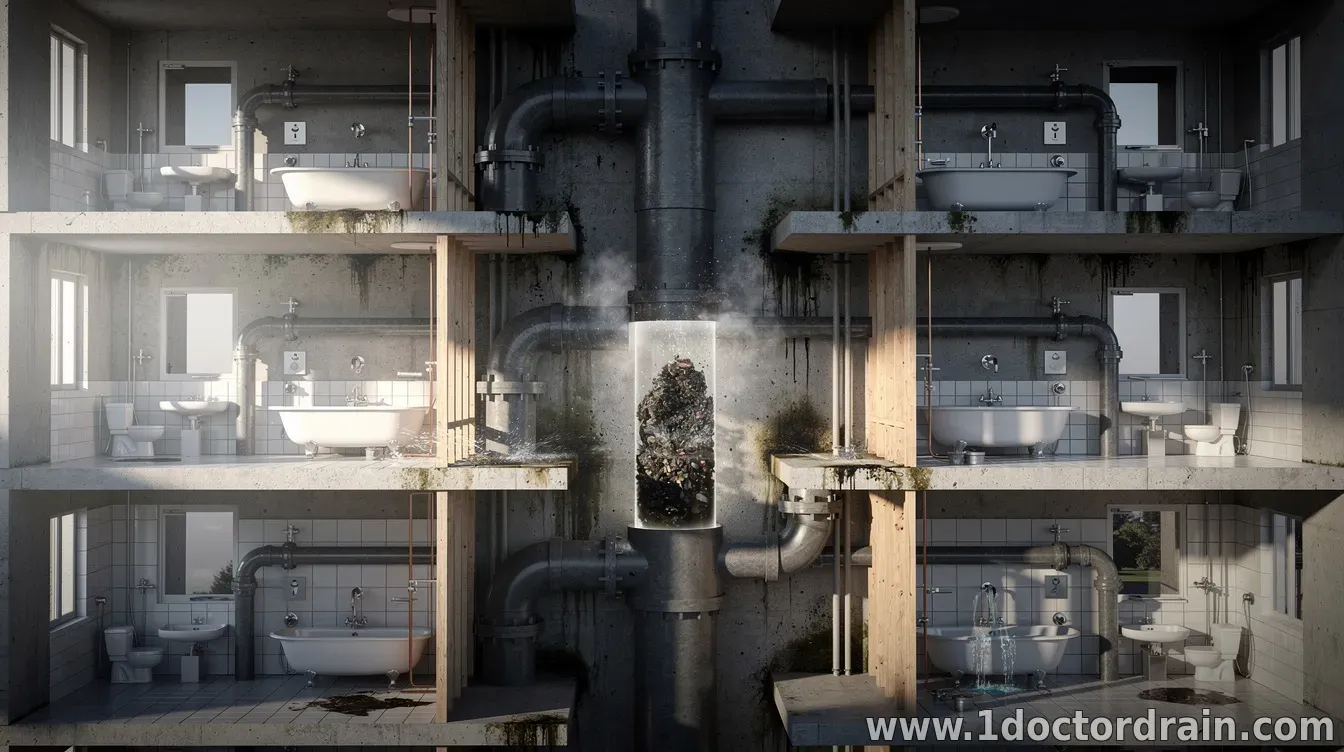
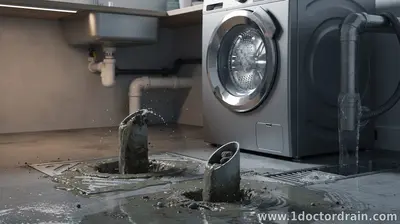
When a drain problem hits a multi-unit building, it rarely stays contained. A blockage in one part of the shared plumbing network—such as a main stack or a common horizontal line—can stop wastewater flow and send backups across several units.
Residents may first notice slow drains, gurgling sounds, or toilets that seem to “rise” before draining. In many cases, multiple bathrooms and kitchens become affected around the same time, even if only one apartment’s fixture appears to be the original problem. How one clog spreads through a shared system
Most multi-unit buildings rely on a combination of individual branch lines and shared “main” drainage components. Waste from different floors converges into common piping that routes it toward the building’s main sewer connection. If the shared section becomes restricted—by debris, grease, or a physical obstruction—water can’t move downstream. Instead, it backs up along the paths of least resistance, often affecting multiple units connected to the same segment.
This is why a clog that begins in a single bathroom or kitchen can escalate: the initial blockage can create pressure and reduce flow, pushing backup symptoms into other apartments whose fixtures discharge into the same shared lines. Common causes of multi-unit drain failures
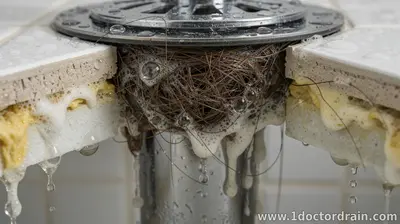
Several issues tend to produce the “everyone is affected” scenario. Grease and cooking residues can build up on pipe walls, narrowing passage over time. Non-flushable items—such as wipes, paper towels, and hygiene products—can accumulate and form stubborn blockages. Tree roots or debris intrusion at the sewer connection can also restrict flow from the outside, forcing backups back into the building.
In some buildings, older pipe materials or aging joints contribute as well. Cracks or misaligned sections can catch debris, accelerating buildup until a single event—such as a heavier-than-usual load from cleaning or a blocked toilet—tips the system into failure. Why slow fixes can make the situation worse
Drain problems in shared systems often worsen when attempts are made without addressing the full cause. For example, repeatedly using fixtures while the shared line is restricted can push more material into the blockage, making it harder to clear. Delays can also increase risk of overflow and water damage, particularly in units that share the same pressure flow path.
Building managers and maintenance teams typically need to determine whether the problem is isolated to one apartment’s branch line or located in shared components. Clearing only the visible symptom in one unit may not restore proper drainage elsewhere if the main line remains partially blocked. What effective response looks like
When multiple units report drain backups, a coordinated response usually includes isolating affected fixtures, contacting certified plumbing service, and using diagnostic tools to locate the blockage. Many modern approaches use camera inspection to identify where the obstruction is and whether there’s damage or buildup that requires more than routine clearing.
Once cleared, good maintenance focuses on prevention. That can include drain line cleaning schedules for older systems, resident education about what should and shouldn’t go down sinks and toilets, and inspections around known risk points such as building sewer connections and catch basins.
Clear communication matters, too: residents should know which fixtures to avoid, what symptoms to watch for, and when normal use will be restored after work is completed. Prevention steps residents and managers can take
For multi-unit residents, one clog can feel unfair—especially when their own plumbing hasn’t been used incorrectly. But shared drainage infrastructure means blockages can behave like a domino effect. Understanding where the system converges, acting quickly, and preventing repeat buildup can reduce the chances that one incident becomes a building-wide disruption.
| |
|
| |
CALL ☎ Subscribe 👆
Next & Previous posts
Related materials:
CONTACT US 📩
Submit the form, we'll contact you as soon as possible!