0:42 AM Common Drain Problems in Highland Park Older Homes | |
|
Highland Park’s older neighborhoods include many homes with plumbing systems that weren’t built for today’s water loads or materials. Over time, drain lines can develop recurring problems that cause slow draining, backups, unpleasant odors, and unexpected plumbing emergencies. Why older-home drains fail more often
Many older properties were connected to drain infrastructure and installed using materials that may now be nearing the end of their service life. As pipes shift, settle, and corrode, small defects can widen—leading to reduced flow and frequent maintenance needs. In addition, tree roots and shifting soil can create new pathways for clogs and leaks. 1) Slow drains and recurring clogs
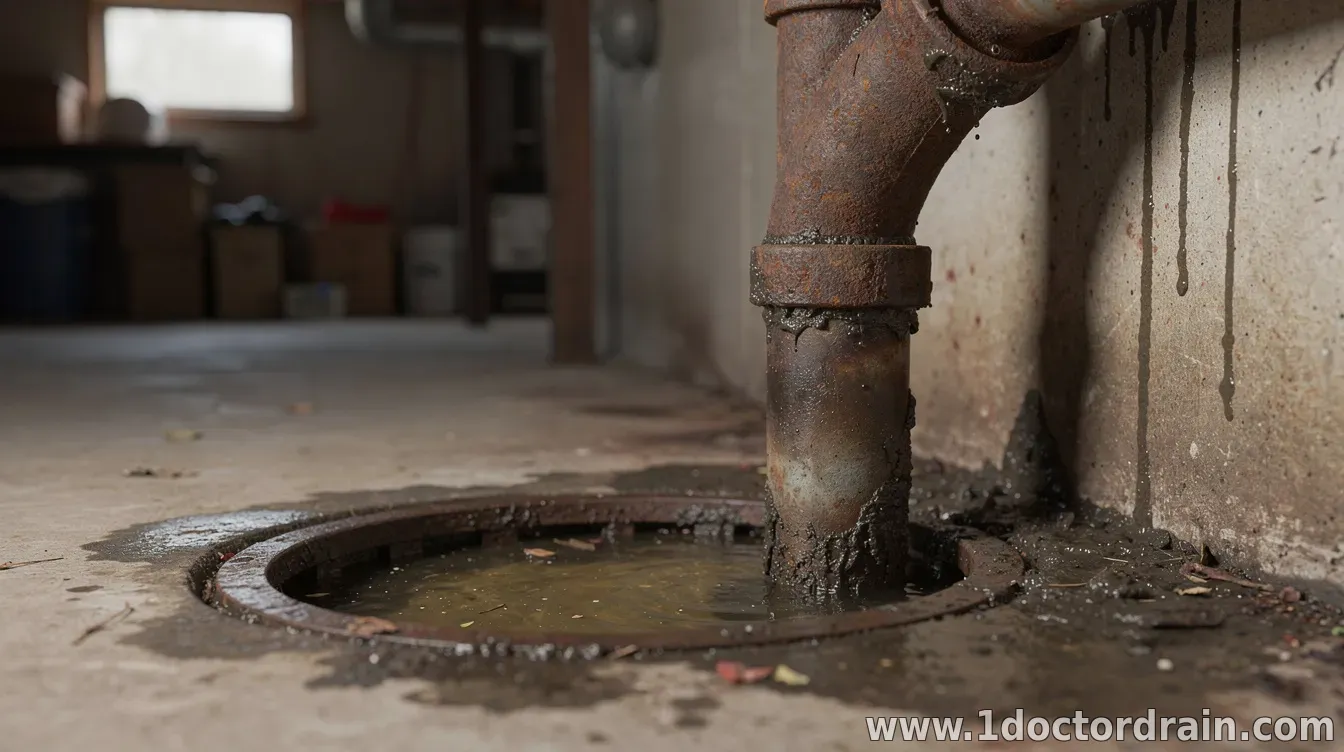
One of the most common complaints is water taking longer than usual to clear in sinks, showers, and tubs. This often points to partial blockages caused by grease buildup, mineral deposits, hair and soap scum, or debris collecting in older pipe sections. If clogs repeat in the same area, it may indicate a structural issue such as collapsed or sagging drain lines. 2) Backups and sewage odors
Backups—especially those that occur after rainfall, heavy use, or seasonal changes—can signal venting problems or obstructions farther down the line. Sewage odors near drains, bathrooms, or laundry areas can also indicate dried-out traps, compromised seals, or leaks that allow gases to escape. 3) Tree-root intrusion
Tree roots are a frequent culprit in older drainage systems. Even small cracks in pipes can invite roots that grow toward moisture, gradually restricting flow. Over time, root intrusion can lead to intermittent backups, gurgling sounds, and drain lines that require more than routine snaking to clear. 4) Corrosion, leaks, and deteriorated pipe sections
Metal pipes and older fittings can corrode internally or develop leaks at joints. External leakage may be visible as damp spots, soil discoloration, or persistent moisture around foundations. Interior water damage can also appear indirectly through ceiling stains or wet flooring near plumbing runs. 5) Outdated grading and drainage flow issues
Some older homes experience drainage problems not because of a single clog, but because the system’s slope and flow path don’t perform well anymore. Soil movement, renovations, or changes to landscaping can alter the way water travels through drain lines. When water pools or drains slowly despite clear lines, the underlying layout and grading may need evaluation.
Homeowners should also consider that some symptoms overlap. For example, slow drains can be caused by buildup, a venting issue, roots, or a section of pipe that has collapsed. Accurate diagnosis typically requires inspection rather than guessing.
If you suspect a drain issue, professional inspection can identify where the problem is starting and how extensive it is. Many modern assessments use specialized camera systems to check pipe condition, locate blockages, and determine whether repairs or replacements are needed.
Taking action early can reduce the risk of backups, property damage, and repeated emergency calls. For older homes in Highland Park, regular observation—such as monitoring drain speed, listening for gurgling, and addressing odors promptly—can help keep drain systems functioning reliably as they age.
| |
|
| |
CALL ☎ Subscribe 👆
Next & Previous posts
Related materials:
CONTACT US 📩
Submit the form, we'll contact you as soon as possible!