
2:28 AM Chicago Spring Thaw Brings Drainage Struggles | |
|
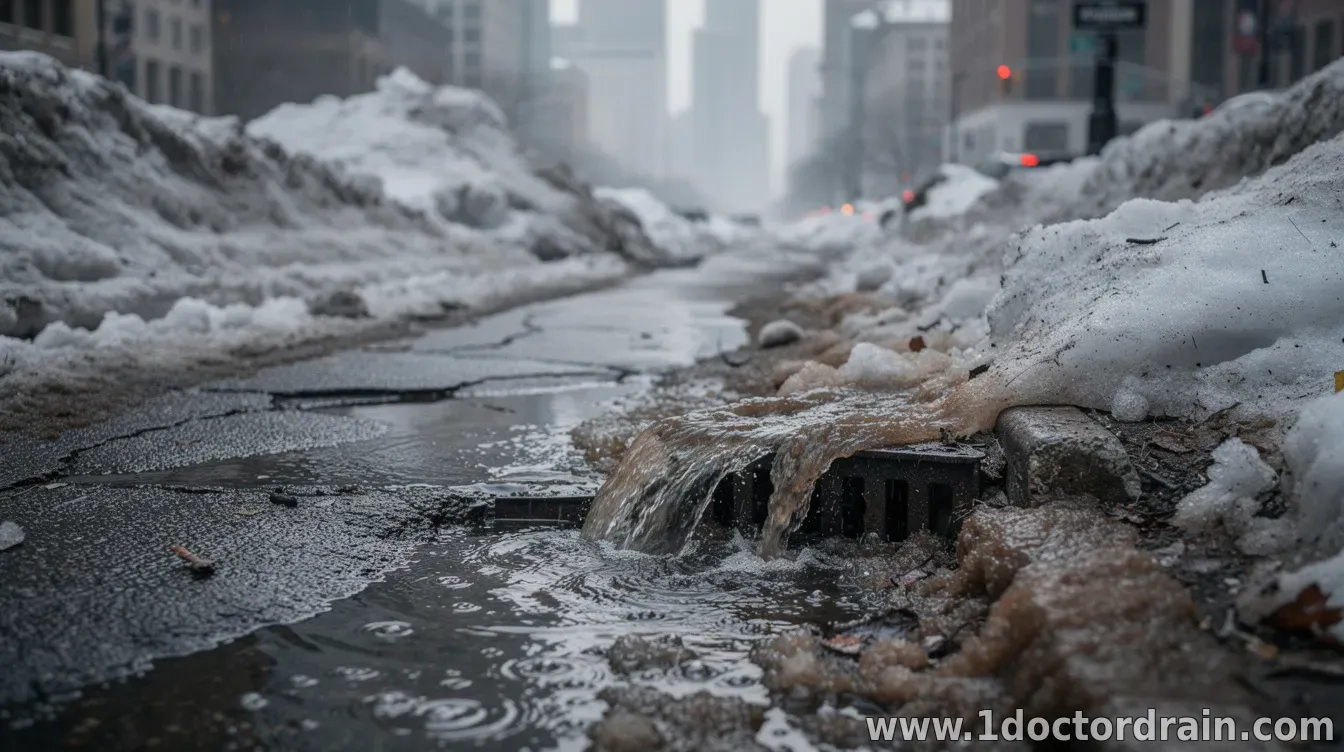
Chicago’s spring thaw is arriving the way it often does after a long winter: with melting snow, shifting groundwater, and a surge of water trying to move through drainage systems that may be partly constrained by cold-weather conditions.
For residents, the seasonal transition can mean clogged inlets, slower runoff, and in some cases standing water near curb lines, alleys, and basements—especially where sidewalks slope toward properties or where older infrastructure is already strained during heavy rain. Why thaw can trigger drain backups
When temperatures rise after sustained freezing, snowmelt and surface water increase quickly. At the same time, parts of a property’s drainage pathway—such as downspouts, sump pump discharge routes, yard drains, and nearby curb inlets—may have accumulated debris during winter storms or become less effective after repeated freeze-thaw cycles.
In colder months, water can freeze in small sections of pipes or form ice dams around openings. When that ice releases, it can move downstream and temporarily worsen blockages, while lingering water in the ground can reduce soil absorption capacity and push more runoff toward storm drains. Where problems show up first
Local patterns tend to determine how quickly issues appear. Neighborhoods with older sewers, low-lying topography, and higher seasonal groundwater can be more vulnerable during thaw and early spring rains. Around the city, recurring trouble spots often include areas near alley entrances, garage slopes, and any section of sidewalk where meltwater is funneled.
Basement flooding risk typically rises when water finds an unintended route—through window wells, foundation cracks, or improperly directed downspouts. Even when municipal storm systems are working as designed, localized conditions can cause backups at a specific inlet or connection. What residents can do now
City services focus on maintaining and clearing drainage infrastructure, but residents can reduce the odds of localized flooding during the thaw period. Early, targeted preparation can make a meaningful difference before the next heavy rain.
When to call for help
If water repeatedly accumulates in the same spot, or if a home experiences recurring backups despite seasonal maintenance, it may indicate a persistent blockage, an incorrectly routed drainage connection, or an infrastructure limitation. In those cases, contacting a licensed plumber or drainage contractor can help identify the source—such as a clogged lateral, a problem at a cleanout, or a discharge line issue.
For ongoing neighborhood concerns, residents may also submit service requests to relevant city departments, providing the location and timing of observed backups. Documenting when water rises and where it collects can help crews prioritize responses during peak thaw weeks.
With temperatures expected to fluctuate in the coming days, the key takeaway for Chicago homeowners is timing: proactive clearing and drainage checks in the early thaw window can prevent small disruptions from becoming winter-to-spring flooding problems.
| |
|
| |
CALL ☎ Subscribe 👆
Next & Previous posts
Related materials:

CONTACT US 📩
Submit the form, we'll contact you as soon as possible!