3:08 AM Before You Buy: Why a Sewer Camera Inspection Matters | |
|
Buying a home is usually about budgets, inspections, and condition checks you can see. But some of the most expensive plumbing problems—especially those underground—aren’t visible during a standard walkthrough. That’s where a sewer camera inspection comes in.
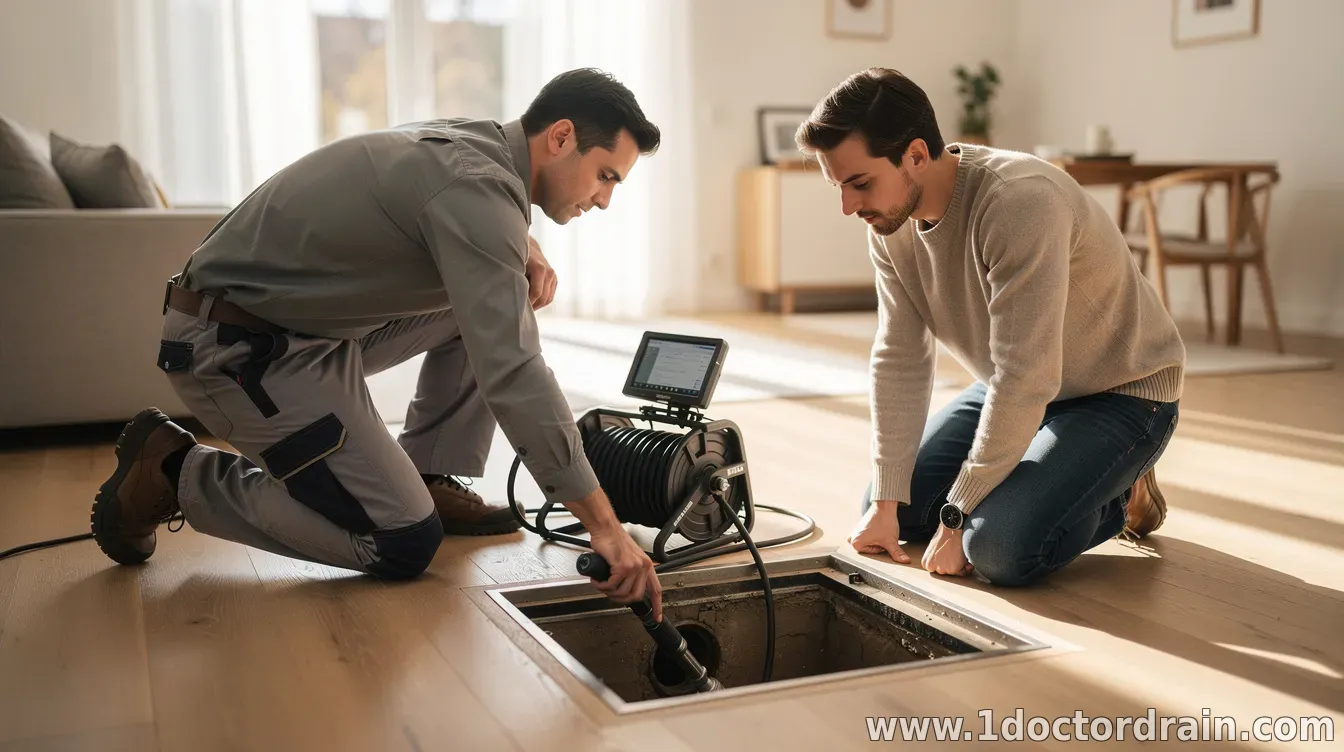
A sewer camera inspection uses a small, remotely operated camera to examine the interior of your home’s drainage lines, typically from cleanout access points. For buyers, it offers a “behind-the-walls” view of the sewer system that can materially change risk, negotiation terms, and long-term maintenance planning. What a sewer camera inspection can uncover
Many sewer issues start subtly and worsen over time. A camera inspection can help identify the underlying cause before it leads to backups, flooding, or emergency repairs. Depending on the property and scope, inspectors may evaluate the full accessible run of the drain line and note both current damage and signs of progressive deterioration.
Common findings include partial or full blockages, root intrusion, corrosion, cracks, breaks, displaced joints, sagging lines, and buildup of scale or debris. The report can also capture location details, the approximate severity of issues, and whether they appear isolated or systemic. Why this matters for homebuyers
Underground plumbing problems are often high-cost because repairs may require excavation, trenching, or trenchless work such as pipe lining or segment replacement. Even when the issue is fixable, timing and access can affect cost and disruption.
By knowing the condition of the sewer line upfront, buyers can better estimate total ownership costs. That knowledge may justify requesting a seller credit, negotiating repairs, or rethinking the purchase if the findings suggest major replacement is likely. How to interpret the inspection report
A useful inspection report typically includes video or still images, a clear path description (where the camera traveled), and a written assessment of defects. Look for specifics: the distance markers, the location of defects, whether the camera detected active flow problems, and whether any blockages were cleared to confirm the line’s condition.
Severity and urgency matter. For example, minor buildup might be manageable with maintenance, while recurring backups tied to cracks or root intrusion may require professional intervention. If the report references a standardized condition rating system, use that framework to compare findings with typical industry benchmarks. When to schedule it—and what else to consider
Many buyers schedule sewer camera inspections shortly after making an offer or during the inspection contingency window, so results can inform negotiations while there’s still flexibility. It can also be valuable for properties with older plumbing, known tree root concerns, recurring slow drains, or prior history of backups.
While the camera inspection is a strong tool, it’s most effective when paired with the rest of the home-buying due diligence. Consider whether the inspection should include related lines (such as lateral or main sewer connections, depending on jurisdiction), and discuss access requirements with the inspector—cleanouts and reachable access points can determine what portion of the system is viewable.
For buyers, a sewer camera inspection is less about alarm and more about clarity. By turning an invisible risk into documented evidence, it helps you make a smarter decision before you sign—potentially saving money, time, and stress later.
| |
|
| |
CALL ☎ Subscribe 👆
Next & Previous posts
Related materials:

CONTACT US 📩
Submit the form, we'll contact you as soon as possible!