NEWS

Home NEWS

☎ 312-532-6435

Drain сleaning serviсe, clogged drain, sewer cleaner, IL


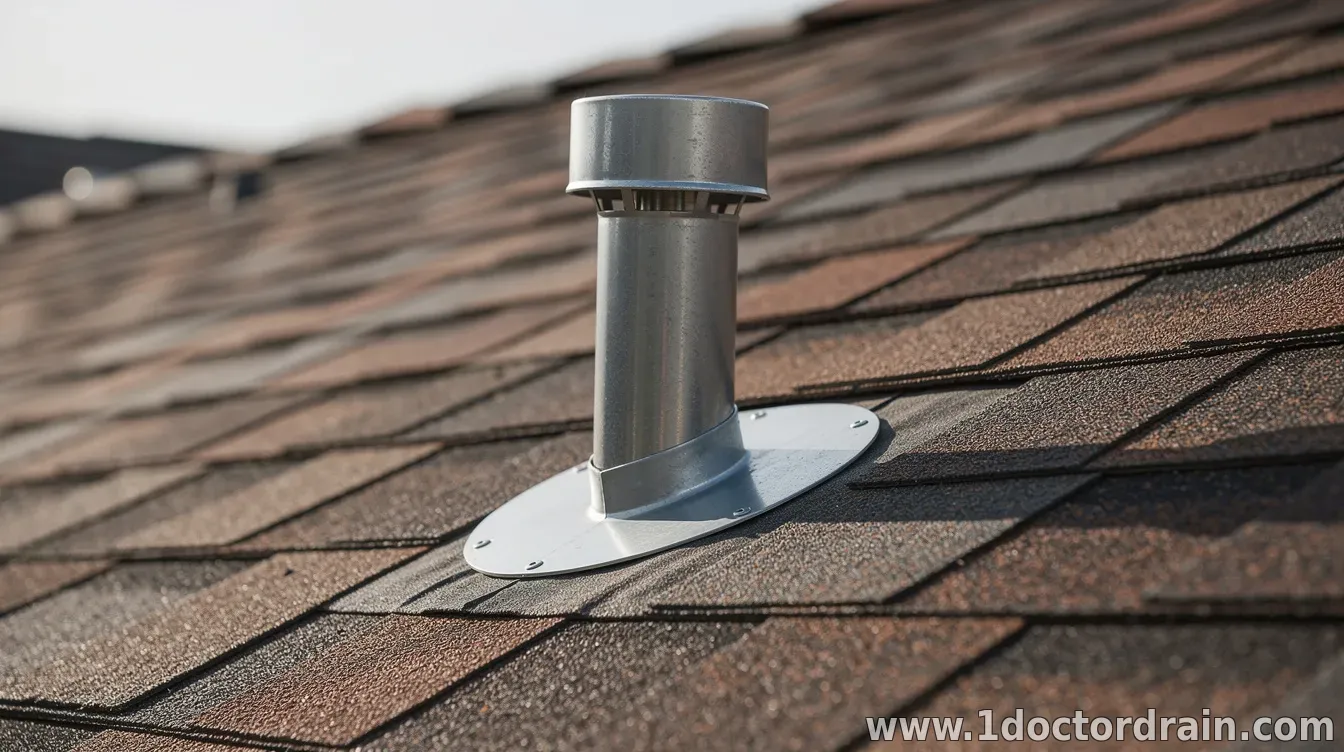
How Main Line Rodding Differs From Regular Drain Snaking

How Main Line Rodding Differs From Regular Drain Snaking


When a drain backs up, homeowners often hear about “snaking” as the default solution. But not all snaking is the same—main line rodding and regular drain snaking are used for different pipe runs and blockage scenarios, and the right choice can affect how quickly your system is restored.


Main line rodding vs. drain snaking: the core difference


Drain snaking typically targets smaller, more accessible lines—often interior or near-building drains such as tubs, sinks, showers, and nearby branch lines. Main line rodding is designed for the larger, longer pipe run that carries wastewater from the building to the municipal sewer or septic system.


Where the tools work


Regular drain snake tools are usually suited to shorter distances and tighter access points, which is why they’re commonly used for ... Read more »


Added: admin 06/20/2026 into the category «Drain cleaning serviсe» Views: 10 Commets: 0
More


Drain Service Warranties: What to Ask Your Plumber

Drain Service Warranties: What to Ask Your Plumber


Drain problems often escalate quickly—from slow flow to backups—and repairs can require multiple visits or specialized parts. That’s why the warranty terms matter as much as the price. Before any work begins, ask your plumber to clarify exactly what will be covered if the problem reappears after the job is completed.


A strong warranty helps you understand your risk and sets expectations for responsiveness. A vague warranty, on the other hand, can leave you paying again for a service you thought was protected.


1) Ask what the warranty actually covers


Start with a direct question: What is covered under the warranty? For drain services, coverage may include labor, parts, or both. It may also cover the specific repair method used—such as replacing a section of pipe, reseating a fitting, unclogging with a particular approach, or addressing a root intrusion.


... Read more »
Added: admin 06/19/2026 into the category «Drain cleaning serviсe» Views: 18 Commets: 0
More


Drain Problems in Highland Park & Glencoe: By Home Age

Drain Problems in Highland Park & Glencoe: By Home Age


In Highland Park and Glencoe, many residential neighborhoods include homes built across several decades—each with different plumbing materials, drainage layouts, and maintenance realities. While every property is unique, the age of construction can be a strong clue to the types of drain problems that are most likely to surface over time.


Homeowners typically notice symptoms first—slow sinks, recurring backups, foul odors, or gurgling sounds—yet the root causes often trace back to material choices and installation standards from the home’s construction period.


Pre-World War II to mid-century homes (older cast-iron era)


Many houses built before mid-century used cast iron for drain lines. Cast iron can last a long time, but aging commonly leads to internal corrosion, roughened pipe walls, and partial blockages. Over time, deposits can build up and create repeat clogs that worsen gradually r ... Read more »


Added: admin 06/18/2026 into the category «Drain cleaning serviсe» Views: 43 Commets: 0
More


Why DIY Chemical Drain Cleaners Backfire Long-Term

Why DIY Chemical Drain Cleaners Backfire Long-Term


When a sink or shower drain suddenly slows, many homeowners reach for an over-the-counter chemical cleaner. The immediate fix can feel satisfying, but long-term outcomes are frequently worse: repeated use escalates damage, increases the odds of future clogs, and can create hazards for plumbing and property.


Experts point to two core issues. First, chemical drain products are designed for a narrow kind of blockage. Second, the chemistry that breaks down some materials can corrode or weaken parts of the plumbing that are not meant to take repeated exposure.


They don’t address the full cause of clogs


Many drains clog due to a buildup of hair, grease, soap residue, food particles, and mineral scale. Chemical cleaners can reduce certain components, but they don’t remove the entire network of buildup—especially when deposits have combined into a thick, layered mass. Over time, partial clearing can t ... Read more »


Added: admin 06/17/2026 into the category «Drain cleaning serviсe» Views: 45 Commets: 0
More


1 2 3 ... 39 40 »