5:34 AM How to Maintain Your Drains Between Professional Cleanings | |
|
Between professional drain cleanings, the biggest wins come from prevention. Most stubborn blockages start small: everyday buildup of grease, hair, soap scum, food residue, and debris that gradually narrows the pipe.
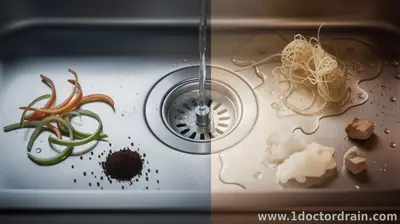
Start with what you put (or don’t put) into your drains. Avoid disposing of cooking oils and fats down the kitchen sink, and use a strainer in all showers and bathrooms to catch hair and other material. In the kitchen, scrape plates instead of rinsing heavy food into the plumbing. Keep drains flowing with routine maintenance
For daily use, run cold water briefly after sinks are used—especially after cooking—to help flush loose residue. In the bathroom, periodic hot-water rinses can help reduce soap scum, but don’t rely on boiling water for every situation, as it may not be safe for all pipe materials.
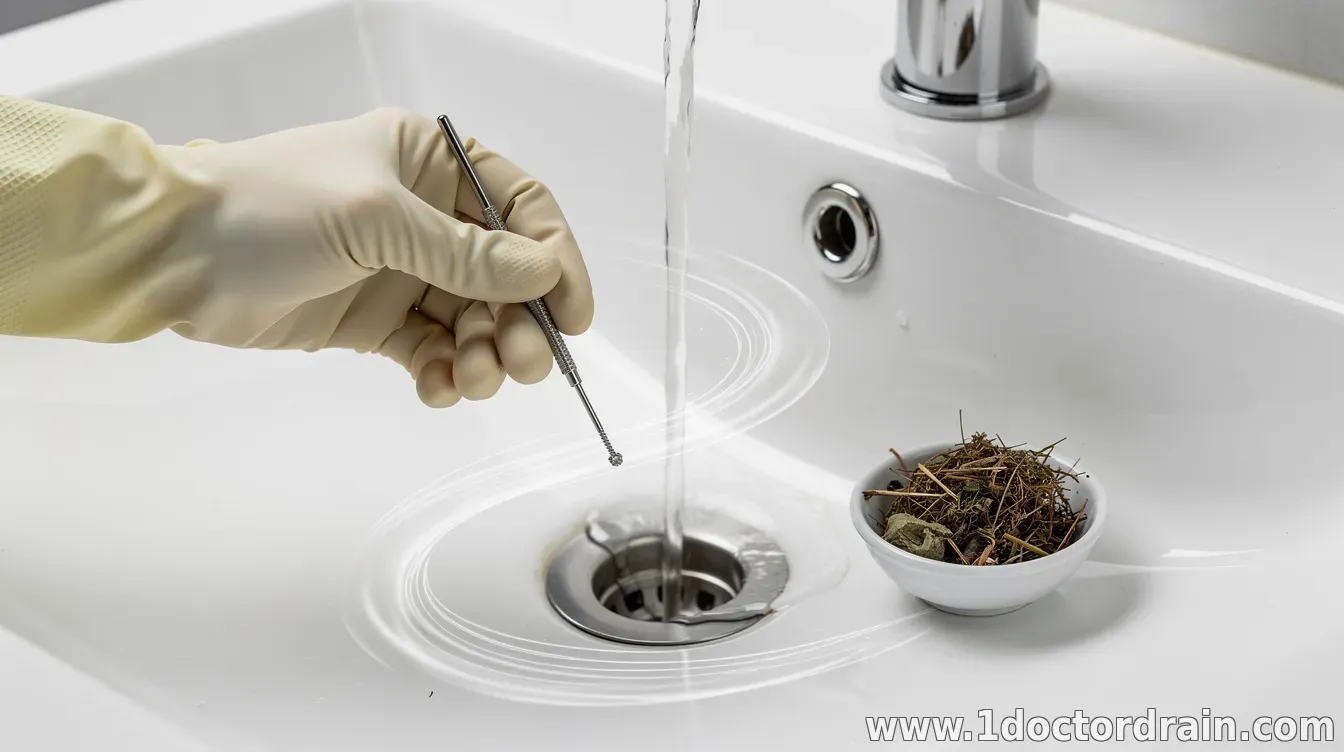
A practical way to stay ahead of buildup is to clean strainers and lift-out parts on a schedule (for example, weekly for bathroom hair catchers). This reduces the amount of debris that ever reaches the pipe. Use safe cleaning options, not harsh improvisations
If you notice slow draining or mild odor, choose maintenance-friendly cleaners over aggressive “pour-and-pray” products. Enzyme-based drain cleaners are designed for regular use and work gradually on organic buildup. Follow the label instructions and avoid combining multiple chemical products.
For minor maintenance, a gentle approach can be enough: remove standing water where possible, clear the accessible area around the drain (like the strainer), and flush with water as directed. When buildup is more advanced, enzymes may still help, but professional assistance is often faster and safer than repeated home attempts. Watch for early warning signs
Don’t wait for a complete blockage. Early indicators—such as gurgling sounds, water rising in the sink, repeated backups in one fixture, or lingering smells—can point to localized buildup or a developing clog upstream.
Keep a close eye on multiple drains backing up at once, which may suggest a larger issue in the main line rather than a single fixture. In those cases, a professional inspection can prevent recurring problems. Set a realistic between-cleaning routine
A simple maintenance cadence can lower the risk of emergencies. Consider monthly checks for hair and debris in bathroom drains, periodic strainer cleaning, and occasional use of enzyme-based treatment if your household drains tend to get slow. The goal is consistency—small interventions before buildup becomes “hard.”
Finally, if you live in an older home, have tree roots nearby, use a garbage disposal frequently, or notice recurring clogs, you may need professional cleaning more often. A plumber can also advise on the best interval and safe products for your plumbing system.
| |
|
| |
CALL ☎ Subscribe 👆
Next & Previous posts
Related materials:
CONTACT US 📩
Submit the form, we'll contact you as soon as possible!