NEWS

Home NEWS

☎ 312-532-6435

Drain сleaning serviсe, clogged drain, sewer cleaner, IL


Power Rodding vs. Hydro Jetting: Which One Do You Need?

Power Rodding vs. Hydro Jetting: Which One Do You Need?


Blocked drains are one of those household issues that can quickly escalate—from slow drainage to unpleasant odors, backups, and potential damage. When it comes to clearing lines, two common options are power rodding and hydro jetting. While both can restore flow, they’re not interchangeable for every situation.


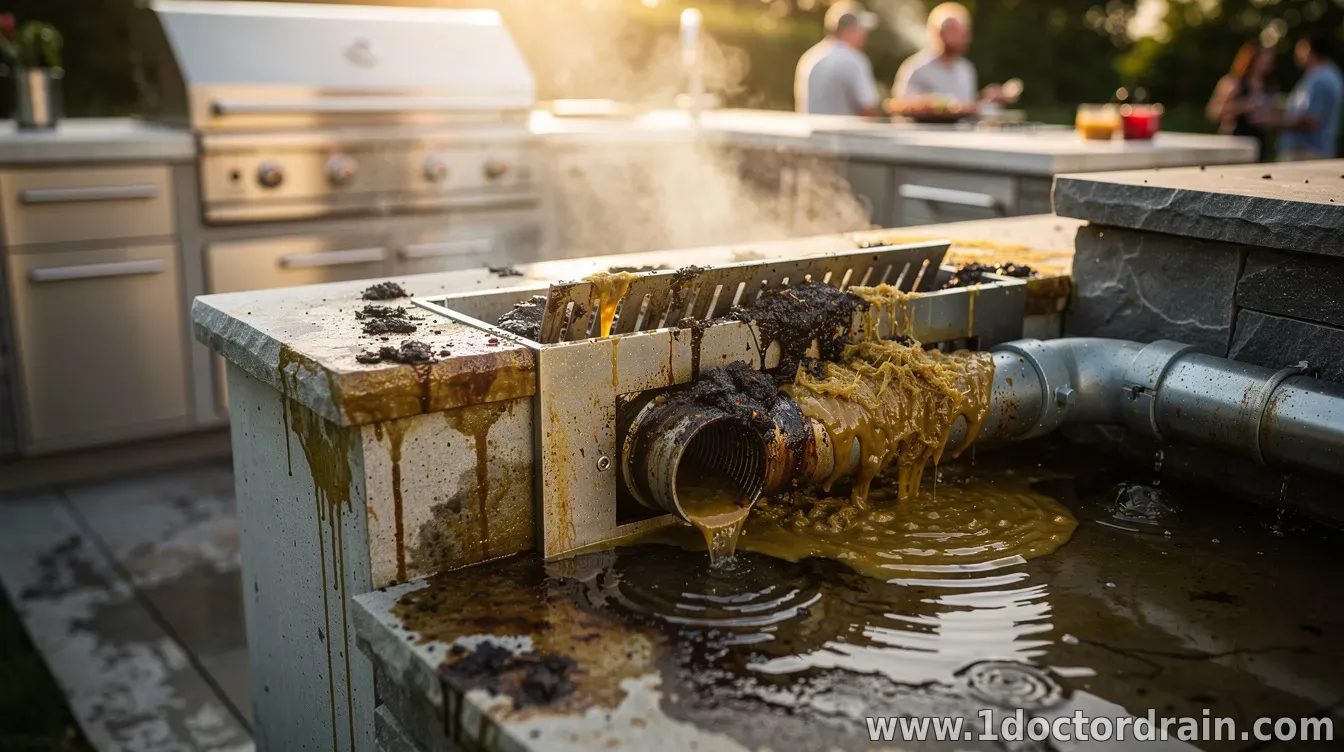
In general, power rodding is best for cutting through or dislodging many types of obstructions, while hydro jetting is designed to blast away buildup more comprehensively. Choosing correctly can mean faster results, fewer repeat visits, and better long-term outcomes.


How power rodding works


Power rodding uses a rotating cable (or rod) that’s fed into the drain. As it spins, it can break up certain blockages and push the obstruction back toward a clearing point. Many systems use attachments tailored to different debris types, such as compacted hair, grea ... Read more »


Added: admin 07/09/2026 into the category «Drain cleaning serviсe» Views: 129 Commets: 0
More


Floor Drains: Why They Back Up and How to Prevent It

Floor Drains: Why They Back Up and How to Prevent It


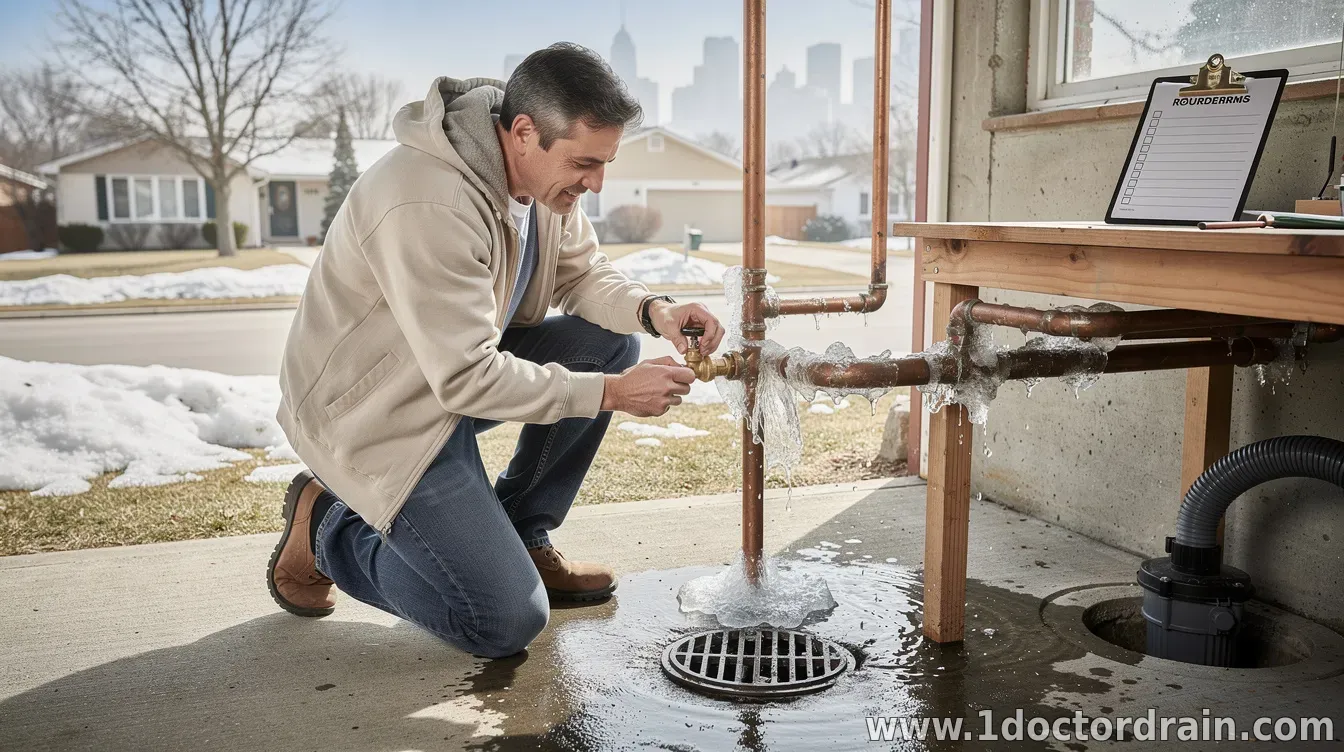
Backed-up floor drains are more than a nuisance: they can trap wastewater, cause foul odors, and sometimes lead to damage in basements, garages, and laundry areas. While the fix depends on the underlying cause, most backups share a few predictable triggers.


Common reasons floor drains back up often start with partial or complete blockages. Hair, soap scum, food particles, and sediment can accumulate and narrow the drain line over time. In homes with outdoor runoff or landscaping nearby, roots or debris can also infiltrate aging pipes and reduce flow.


Another frequent culprit is grease and oils. Even small amounts of cooking grease can solidify inside plumbing, especially in colder sections of a building. Over weeks or months, grease helps “glue” other debris in place, creating a blockage that suddenly becomes noticeable during heavy use.


Ventilation and pressure ... Read more »


Added: admin 07/08/2026 into the category «Drain cleaning serviсe» Views: 135 Commets: 0
More


Office Floor Drains: Liability and Maintenance Guide

Office Floor Drains: Liability and Maintenance Guide


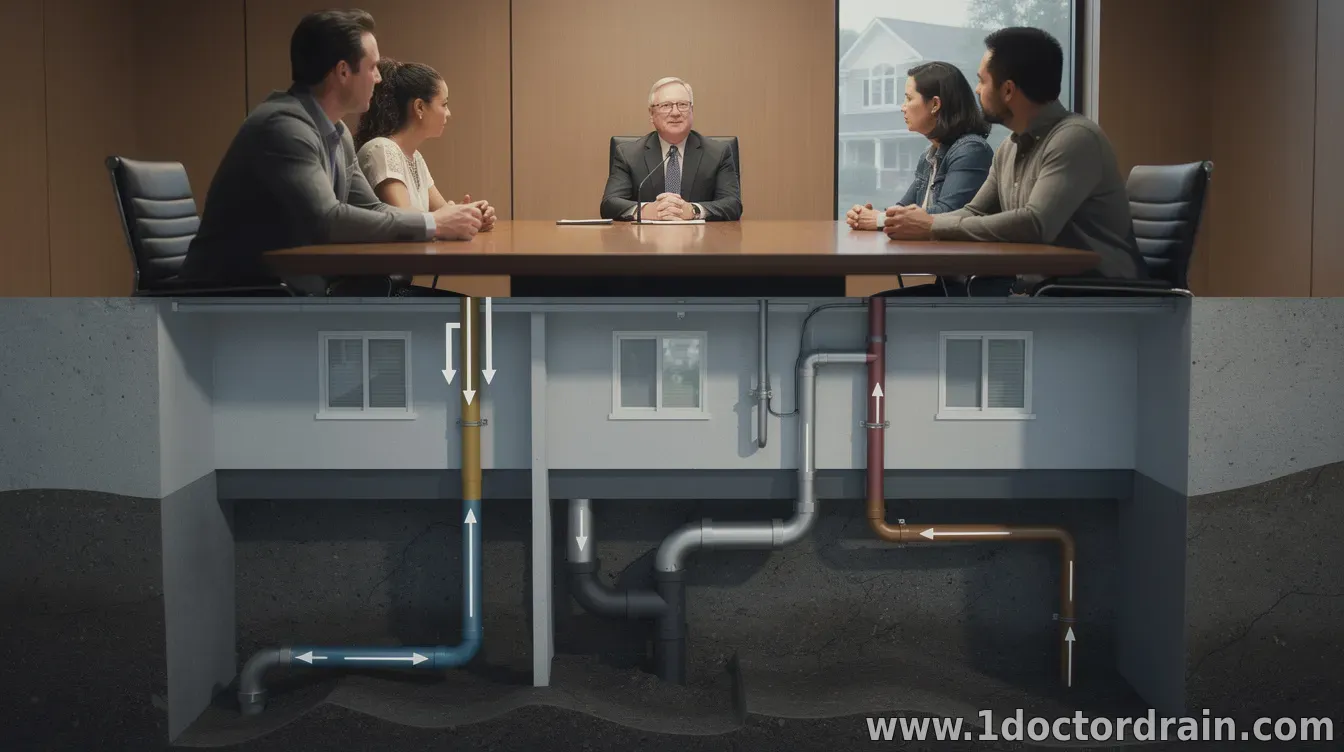
Floor drains in office buildings may seem routine, but they sit at the intersection of safety, building operations, and legal responsibility. When drains fail due to neglect, defective installation, or inadequate maintenance, the consequences can include water damage, slip-and-fall incidents, disruption to operations, and disputes over who is responsible.


While specific liability depends on local law and contract terms, a recurring theme in claims is whether the owner or operator acted reasonably to keep drains functional—especially in areas where water accumulation is foreseeable (restrooms, kitchens, loading-adjacent corridors, mechanical rooms, and lobby entries).


Why floor drain maintenance becomes a liability issue


Many incidents trace back to preventable conditions: hair, grease, sediment, construction debris, or scale narrowing the drain’s capacity; defective grates or missing covers; or vent ... Read more »


Added: admin 07/07/2026 into the category «Drain cleaning serviсe» Views: 127 Commets: 0
More


How Often Should You Schedule Preventive Drain Cleaning?

How Often Should You Schedule Preventive Drain Cleaning?


Preventive drain cleaning can help homeowners avoid slow drains, unpleasant odors, and costly backups. The key question is timing: how often should you schedule the service so it’s effective without being unnecessary?


While plumbing systems vary, many professionals recommend a baseline schedule and then fine-tune it based on how your drains are used and what your pipes are experiencing.


Common recommendation: every 1–2 years


For many typical households, preventive drain cleaning is often recommended once every 12 to 24 months. This cadence helps remove buildup—such as hair, soap scum, food residue, and mineral deposits—that can gradually narrow pipes over time.


If your plumbing has a history of clogs, if several drains are affected during the same period, or if you live in an area with particularly hard water, you may want to lean toward the more frequent end of th ... Read more »


Added: admin 07/06/2026 into the category «Drain cleaning serviсe» Views: 121 Commets: 0
More


« 1 2 ... 13 14 15 16 17 ... 56 57 »