Doctor Drain Services in Lake Bluff
Drain problems can disrupt daily life fast, from slow tubs to unpleasant bathroom or kitchen smells. In Lake Bluff, IL, seasonal rain, shifting soil, and aging plumbing systems can add pressure to sewer and drain lines, making issues more noticeable over time. Local homeowners should know the most common drain symptoms, the kinds of services that may be available, and the steps to vet a qualified contractor so repairs are done safely and hold up longer.
Common drain concerns in Lake Bluff homes include slow drains, recurring clogs, sewer backups, and foul odors that linger even after cleaning. You may notice gurgling sounds, water backing up in sinks or tubs, or toilets draining more slowly than usual. While these signs can feel urgent, they also help narrow down the cause. Tree roots, grease buildup, mineral scale, and broken or collapsed pipes are frequent culprits. A licensed plumber typically starts with a thorough diagnosis that may include running controlled tests, checking fixtures and accessible lines, and performing an inspection. Where the source is not obvious, camera inspection can help pinpoint the exact location, condition, and severity of the problem before work begins.
Typical drain services offered by local providers include hydro-jetting to clear stubborn blockages and residue when buildup has tightened inside the pipe. Drain snaking is often used for accessible clogs, especially in certain drain lines where a blockage is close to the fixture. For damaged pipe sections, trenchless pipe repair may be recommended as an option that can reduce the need for heavy digging. In more serious cases, sewer line replacement may be necessary when a line is significantly compromised. Many providers also offer preventive maintenance plans designed to keep lines flowing smoothly and reduce the odds of repeating the same symptoms. For Lake Bluff residents with landscaped yards and established outdoor spaces, trenchless options can be particularly appealing because they may help limit yard disruption.
When choosing a drain service contractor, focus on details that protect your home and your budget. Start by confirming licenses and insurance, since drain and sewer work should be performed responsibly and legally. It is also helpful to consider local presence and response times, especially if backups can affect bathrooms, laundry areas, or basements. Look for clear upfront pricing so you understand what is included and what triggers additional costs. Experience matters too: ask whether the contractor regularly handles both residential and commercial drainage challenges, since systems and standards can differ. Don’t hesitate to request references or review recent customer feedback. Finally, ask for a written estimate that clearly outlines the scope of work, expected timeline, and any guarantees or warranties that apply to the repair.
Emergency drain services can be essential when a blockage escalates into sewage backup or threatens main lines. Acting quickly helps reduce the risk of water damage, unpleasant contamination, and mold growth. If you experience a sewage backup, avoid flushing or using fixtures that could push material further into the system. Limit water use and keep the area as clean and contained as possible until help arrives. Contact a licensed professional right away so they can assess the situation, determine the cause, and advise on the safest next steps. If emergencies happen after hours, having emergency contact numbers saved in advance makes it easier to respond promptly.
Proactive maintenance can help reduce future drain problems and extend the life of your plumbing system. Simple habits make a difference: periodic drain cleaning can help prevent buildup from slowly narrowing the pipe, and being mindful about what goes down drains reduces clog risk. Avoid disposing of grease, oils, and non-flushable items in ways that can build up over time. Non-flushables and debris can contribute to blockages and add strain to drain and sewer lines. Many homeowners also benefit from annual plumbing inspections, which can catch early warning signs before they turn into urgent repairs. A local Lake Bluff plumbing expert can suggest a maintenance approach tailored to the home’s age, piping material, and how your household uses water day to day.
Next steps for Lake Bluff residents: choose a trusted local provider you feel comfortable with, and schedule a diagnostic visit if you are dealing with persistent slow drains, recurring clogs, or repeated odors. During the appointment, ask the contractor to explain what they find, what options are available, and what long-term solutions may cost compared to short-term fixes. A proactive approach helps you address the underlying issue instead of only managing symptoms. When the next rainstorm moves through town, taking action now can save time, money, and stress while improving confidence in your home’s drainage system.
-
Power Rodding
-
Hydro Jetting
-
Video Inspection
-
Drain Repair
-
Drain Cleaning
-
Sewer Cleaning
-
Sump pump
-
Sewage Ejector Pump
-
Main Line Rodding
-
Bathtub Drain
-
Bathroom Sinks
-
Kitchen Drain
-
Laundry Drain
-
Toilets
-
Floor Drain
-
Storm Drain
DRAIN SERVICE FOR LAKE BLUFF'S HISTORIC LAKEFRONT COTTAGES
Lake Bluff's origins as a 19th-century summer resort community — built around the Methodist Camp Meeting Association's lakefront property and small 25-foot cottage lots — give the village a genuinely distinct housing character worth understanding:
- Original small-lot cottages, many converted from seasonal summer homes into year-round residences over the decades since the village's 1895 incorporation, often have drain infrastructure that's been retrofitted multiple times as usage shifted from seasonal to full-time occupancy — worth a video inspection to understand what's actually beneath an older cottage's floor
- Lakefront and ravine-adjacent properties near the bluff and Lake Michigan shoreline can experience unique groundwater, erosion, and drainage considerations — worth factoring into any sump pump or storm drain assessment
- A dense, walkable historic downtown near the 1904 railroad station and 1905 Village Hall includes commercial spaces alongside residential blocks, benefiting from both our residential and commercial drain services
- Homes converted from original small cottage footprints, sometimes with additions or renovations that created more complex plumbing runs than the original simple structure, are worth having assessed if you're experiencing pressure or drainage inconsistencies between older and newer sections of the home
CARING FOR A COMMUNITY WITH GENUINE HISTORIC CHARACTER
Given Lake Bluff's well-preserved historic core and its origins as a planned resort community, our technicians approach any necessary drain or sewer work here with attention to the character of these often century-plus-old homes, working thoughtfully within original structures wherever possible.
Frequently Asked Questions
Do you work with homes originally built as seasonal cottages that are now year-round residences?
Yes — our technicians are experienced diagnosing and updating drain systems in homes that have been converted from seasonal to full-time use over the decades, which often involves retrofitted or expanded infrastructure.
Are lakefront and ravine properties in Lake Bluff more prone to drainage issues?
They can be, given proximity to the bluff and lake — our technicians can assess your specific property's groundwater and drainage conditions.
Can you service both residential cottages and commercial properties in downtown Lake Bluff?
Yes — we handle both residential drain work and commercial service for businesses throughout the historic downtown area.
Trusted 24/7 Drain Cleaning Experts in Lake Bluff, IL: Fast Local Service & Proven Results
When a stubborn household clog or main sewer backup threatens your Lake Bluff home, you need a dependable local team that arrives fast and gets the job done right. At 1 Doctor Drain, our certified master plumbers deliver prompt, professional 24/7 drain cleaning, clog removal, and sewer maintenance services throughout Lake Bluff and the surrounding North Shore suburbs. Equipped with commercial-grade motorized cables, high-pressure hydro-jetters, and high-definition video inspection cameras, we clear your lines right the first time. Call our 24/7 dispatch hotline right now at (312) 532-6435 for immediate emergency dispatch or to schedule service:
24/7 Emergency Dispatch: Rapid-response local technicians stationed near Lake Bluff, ready day and night, weekends, and holidays.
Licensed & Insured Professionals: Highly trained, certified plumbing experts skilled in local Chicagoland building codes and residential infrastructure.
Upfront Transparent Pricing: Honest, flat-rate pricing with no hidden fees or surprise charges before any plumbing work begins.
Comprehensive Local Care: Full-service clog removal covering kitchen sinks, bathroom fixtures, main sewer lines, sump pumps, and floor drains.
100% Satisfaction Guarantee: We stand firmly behind the quality of our craftsmanship, utilizing premium-grade equipment and industry-leading standards.
Lake Bluff Drain & Sewer Services Snapshot
Professional wastewater solutions engineered specifically for homes and estates in Lake Bluff, IL:
Service Category Primary Solutions & Capabilities Operational Benefit Emergency Clog Removal 24/7 rapid response for overflowing toilets, sinks, and tubs Stops indoor flooding and protects your property from water damage. Main Sewer Power Rodding Heavy-duty rotating steel cables to clear tree roots and municipal line clogs Restores full wastewater flow from house to city main instantly. Sewer Video Inspection High-definition fiber-optic scoping of underground lateral pipes Pinpoints exact structural cracks, offsets, and root intrusions. Hydro-Jetting Scouring 4,000 PSI high-pressure water pipe wall cleaning Eliminates stubborn grease, scale, and sludge buildup completely. Sump Pump & Ejector Care Protecting Lake Bluff basements during heavy seasonal storms Prevents catastrophic basement flooding and foundation water damage.
Professional Plumbing Solutions Tailored to Lake Bluff Properties
From historic lakeside properties and custom estates to established residential neighborhoods, Lake Bluff homes feature unique plumbing layouts and long lateral runs that require specialized care. Our local services address every need:
Rapid Emergency Clog Relief: When kitchen sinks or bathroom drains back up unexpectedly, our local mobile units arrive quickly with commercial augers to clear the obstruction without damaging your pipes.
Heavy-Duty Main Line Power Rodding: Lake Bluff's scenic, wooded lots mean mature trees frequently push roots into underground sewer lines. Our high-torque rodding equipment shreds roots and opens blocked laterals on contact.
Pre-Purchase Sewer Scoping: Buying a home in the area? Our high-definition video inspections reveal hidden pipe damage, bellies, or root intrusion before you finalize your real estate investment.
Basement Flood & Sump Pump Protection: Heavy seasonal rains can overwhelm local water tables. We install and service high-capacity sump pumps and battery backup systems to keep your basement completely dry.
Our Fast & Seamless Service Process
Immediate Call & Dispatch: Call us at (312) 532-6435. Our dispatcher evaluates your plumbing issue and dispatches our closest local Lake Bluff technician to your location.
On-Site Assessment & Upfront Quote: Our technician inspects your plumbing setup, identifies the exact source of the problem, and provides a clear, upfront quote before starting work.
Professional Service Execution: Utilizing commercial-grade cleaning equipment or repair tools, we resolve your drainage issue efficiently and cleanly according to local codes.
Flow Testing & Cleanup: We thoroughly test water drainage, clean our work area spotless, and verify your complete satisfaction before leaving.
Frequently Asked Questions: Lake Bluff Drain Services
Q: How fast can a plumber arrive at my Lake Bluff home for an emergency clog?
A: Because our service vans are strategically stationed throughout the North Shore suburbs, we typically arrive at your Lake Bluff property within 30 to 45 minutes of your emergency call.
Q: Why do Lake Bluff sewer lines frequently get invaded by tree roots?
A: Lake Bluff features gorgeous, heavily wooded neighborhoods and large residential properties. Tree roots naturally seek out moisture sources and will penetrate tiny joints or microscopic cracks in older clay or cast iron sewer pipes, causing recurring clogs.
Q: Do you charge extra for weekend or night emergency calls in Lake Bluff?
A: We believe in honest, transparent service. We provide straightforward, flat-rate pricing with no hidden surprises, even when you call us in the middle of the night or on holidays.
Q: Are your plumbing technicians fully licensed and insured in Illinois?
A: Absolutely. Every technician on our team is fully licensed, bonded, and insured, ensuring professional plumbing services that comply strictly with all Illinois and local Lake Bluff building codes.
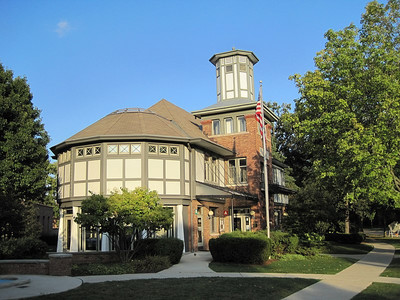
Lake Bluff (formerly Rockland) is a village in Lake County, Illinois, United States. Per the 2020 census, the population was 5,616
The first settler family to claim land within the area now part of Lake Bluff arrived in 1836. They claimed 100 acres of land extending from the lake west to the Green Bay Trail. In 1849, a few residents left to seek their fortune in the California gold rush. In 1837, William and Mary Dwyer claimed the land just north of the former Central School. They opened and operated a stage coach stop and tavern along the Green Bay Trail. Some of the other early settlers were Henry and Angeline Ostrander, James Cole and William Whitnell.
In 1855, the first railroad through Lake County was completed, running from Chicago through the county line. Henry Ostrander owned the land where the depot was to be placed, and he agreed to donate the site if the depot were called "Rockland." Therefore, this area, known previously as the Dwyer Settlement and Oak Hill, became Rockland, the only stop between Highland Park and Waukegan. Rockland had a post office and general store on Mawman Avenue with a small school and church located west of the tracks near Green Bay Road.
In 1875, a group of Methodist ministers led by Solomon Thatcher of River Forest purchased 100 acres of lakefront property from Ben Cloes, the youngest son of the first settlers. The Lake Bluff Camp Meeting Association was formed and Rockland was renamed "Lake Bluff." The Association planned a resort that would provide not only religious activities but also social, cultural, educational and recreational programs. From the beginning, the Camp Meeting was successful at bringing in well-known personalities of the time, such as Frances Willard and Mrs. Rutherford B. Hayes. Summer visitors were attracted to Lake Bluff to enjoy the beach and ravines and participate in the Camp Meeting activities. A 10-acre lake in the center of town, Artesian Lake, provided additional recreational opportunities. Lake Bluff was a summer colony at the time, as most residents were seasonal.
Land was divided into 25-foot lots on which a cottage "could be erected within 20 days of purchase for $250." The first hotel, the Bluff Lodge, was opened in 1876. By the mid 1880s there were more than 30 hotels and boarding houses and a large tabernacle with seating for more than 2,000 people.
Lake Bluff incorporated as a village in 1895. Charles Trusdell, the first Village President, built his home at 115 East Center Avenue. The East School opened in September 1895. In 1904, the railroad station was erected, and in 1905 the present Village Hall was built.
During the First World War, Lake Bluff was proclaimed the "most patriotic small town in America" for the efforts of the residents in supporting the Red Cross and purchasing an ambulance to send to France.
In the 1920s, Lake Bluff made plans to join the other North Shore suburbs in the race to attract new homes and growing families. New brick stores were added in the business block, and a large addition to East School was constructed. However, 1929 brought the Great Depression, and the plans for expansion never materialized.