1:50 AM Main Line Rodding: What It Is and When You Need It | |
|
Main line rodding is a maintenance and repair method used to clear obstructions in the main drain line—the pipe that carries wastewater away from sinks, showers, toilets, and appliances toward the sewer or septic system.
Rather than working on a single fixture (like a clogged bathroom sink), rodding targets the shared “main” section of plumbing that serves the entire home’s waste disposal route. How main line rodding works
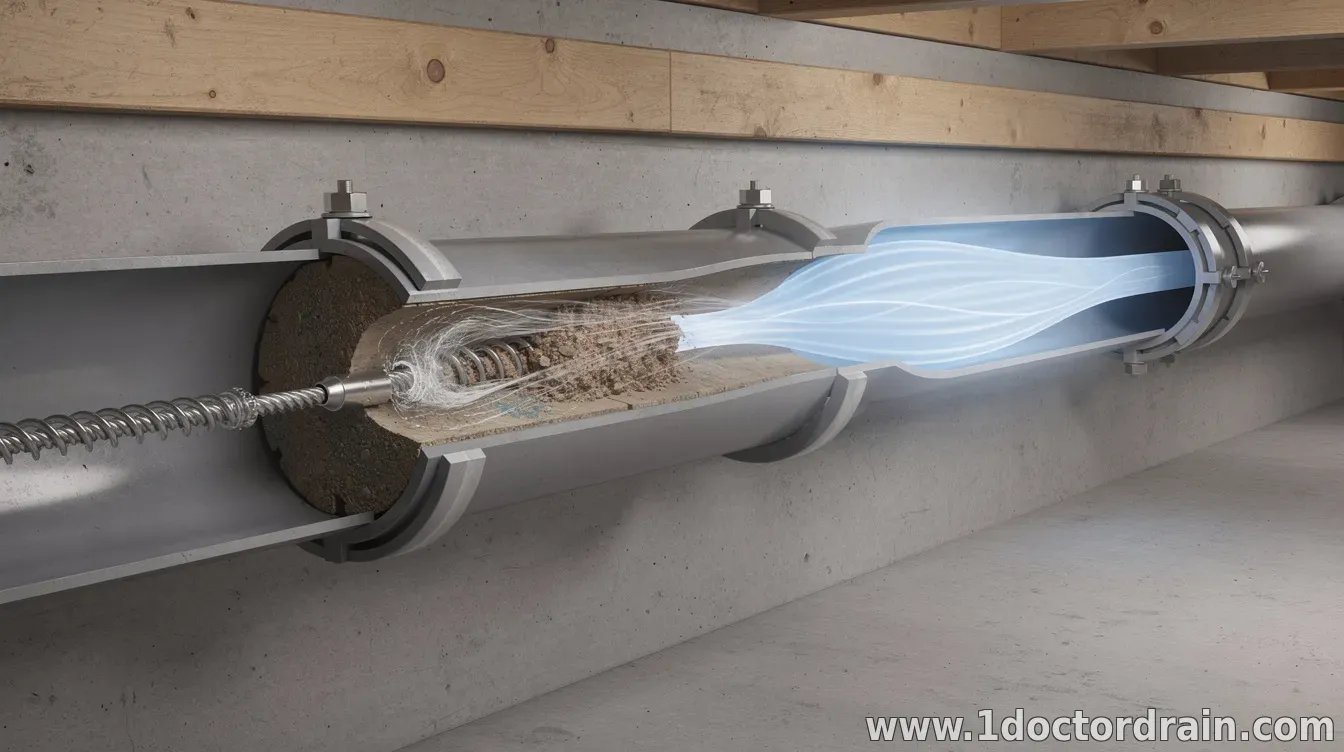
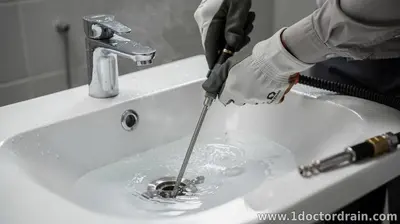
Technicians insert a flexible plumbing rod (sometimes fed through a cleanout access point) into the main drain. As the rod moves through the pipe, it breaks up or dislodges common blockages such as accumulated grease, hair, soap scum, small debris, or early-stage scale buildup. In some cases, a specialized head is used depending on the suspected cause and pipe material.
The goal is to restore proper flow so wastewater moves freely to the sewer or septic system, reducing the chance of backups in multiple rooms. Signs you may need main line rodding
Many homeowners only notice a main-line issue when several fixtures start behaving the same way. Common warning signs include slow drainage in multiple sinks or tubs at once, gurgling sounds when toilets or drains are used, and recurring backups that can’t be fixed by clearing one drain.
You may also need main line rodding if there are persistent foul odors near drains, toilets that drain sluggishly, water that seems to rise or back up in one area after other fixtures are used, or if a professional has already determined the clog is upstream of individual trap lines. When it’s especially important
Main line rodding can be particularly useful when blockages are suspected beyond the reach of typical drain cleaning—such as deeper clogs in the main line, recurring stoppages after “quick fixes,” or situations where multiple fixtures are draining poorly during the same time period.
If your home has tree roots near underground pipes, some rodding setups can help disrupt early intrusions, but persistent root intrusion often requires a more targeted approach. Likewise, if the obstruction is caused by severe pipe damage, rodding may clear a blockage temporarily but additional repairs or replacements may be needed. Do you need rodding right away?
It depends on the severity. If you’re dealing with full backups, sewage smell, water rising in fixtures, or repeated failures of basic plunging, it’s best to schedule service promptly to prevent further buildup and potential overflow.
For mild symptoms—like occasional slow drainage—some homeowners monitor the issue briefly, but recurring patterns usually justify professional assessment. A technician can also decide whether rodding is the right first step or whether camera inspection should come before or after cleaning. What to ask a plumber
To avoid unnecessary work, ask whether the blockage is likely in the main line, whether the cleanout location will be used, and whether a camera inspection is recommended to confirm the cause. It’s also reasonable to ask about pipe material compatibility and what outcome to expect after service.
In many cases, combining rodding with diagnostic inspection leads to faster, more reliable results—especially when backups keep returning.
Bottom line: Main line rodding is typically needed when multiple fixtures show signs of slow drainage or backups that point to a shared obstruction. If you’re seeing repeated clogs or main-line symptoms, getting a professional to assess and clear the main drain can help restore normal flow and reduce the risk of more serious plumbing problems.
| |
|
| |
CALL ☎ Subscribe 👆
Next & Previous posts
Related materials:
CONTACT US 📩
Submit the form, we'll contact you as soon as possible!