
2:05 AM What Happens When Your Pipes Freeze: Causes and Fixes | |
|
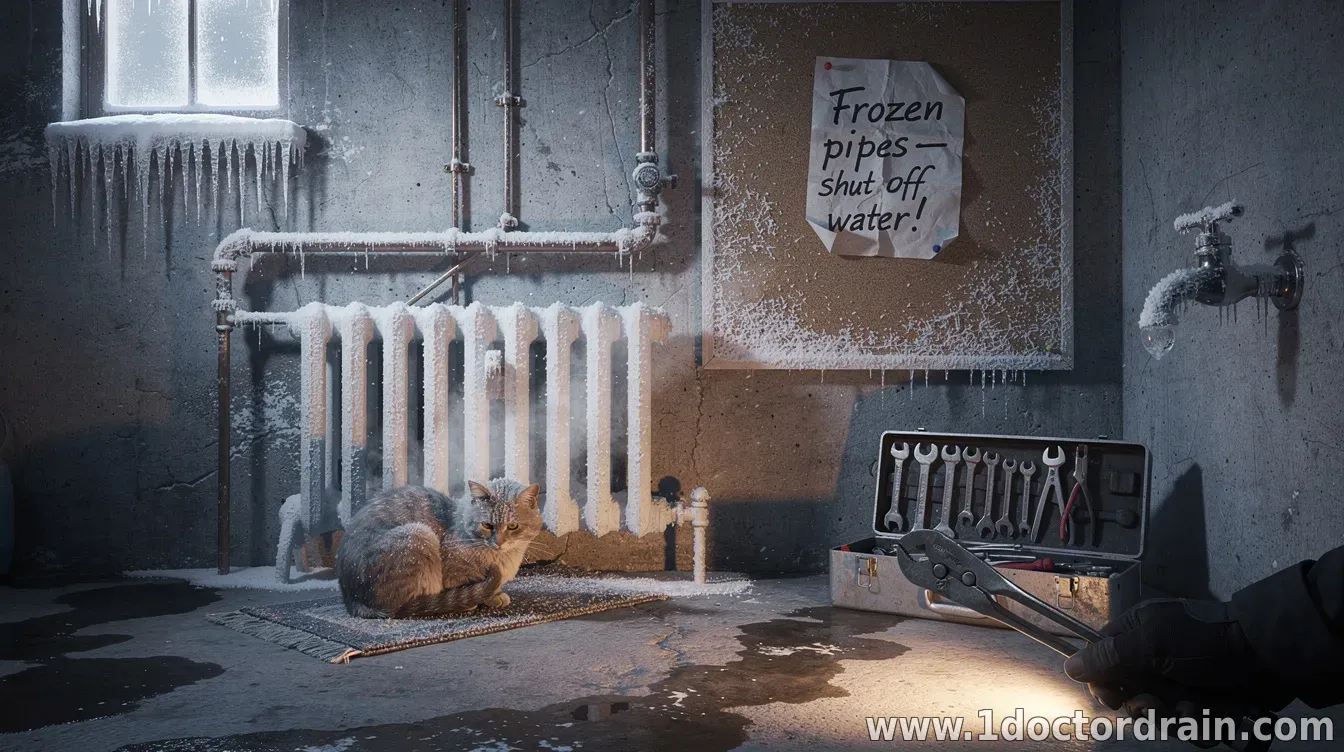
As winter tightens its grip and outdoor temperatures plummet, indoor pipes are at risk of freezing. When water inside a pipe reaches 0°C (32°F) or lower, it can form ice, expand, and press against the pipe walls. This pressure can lead to cracks or bursts, especially if the pipe is already stressed by poor insulation or a long, narrow run.
What happens inside a frozen pipe: Ice creates a blockage that stops or slows water flow. Pressure builds upstream of the blockage, which can cause joints to loosen or the pipe to rupture. If a burst occurs, water can leak into walls, ceilings, or basements, causing mold, property damage, and expensive repairs. In some cases, the pipe may not burst immediately but may freeze repeatedly, weakening the material over time.
Common risk points: Exterior walls, crawlspaces, basements, and unheated rooms are typical cold spots. Pipes near uninsulated windows, careless attic spaces, or near exterior faucets are especially vulnerable. Short, exposed runs (like under sinks) are common sites for freezing if heat loss is high or airflow is poor. Prevention tips
Preventing frozen pipes is generally easier than repairing them. Keep a steady indoor temperature above freezing, open cabinet doors to let warm air circulate around plumbing, and let a slow trickle of water run from faucets in particularly cold areas during extreme cold snaps. Insulate exposed pipes with foam sleeves or heat tape, and consider upgrading insulation in unheated spaces. What to do if you think a pipe is frozen
Shut off the main water supply if you suspect a burst or if you notice significant frost on pipes. Do not use electrical heaters or open flames to thaw pipes. Apply gentle heat from a hair dryer or warmth from a space heater to the affected area, working from the faucet back toward the coldest section. If there is visible damage, or if thawing does not restore flow, contact a licensed plumber immediately. When to call a professional
If you hear hissing sounds from pipes, observe damp spots, or the water supply remains blocked after safe thawing attempts, seek professional help. Replacing damaged sections, inspecting for hidden leaks, and improving insulation are essential to prevent recurrence.
| |
|
| |
CALL ☎ Subscribe 👆
Next & Previous posts
Related materials:
CONTACT US 📩
Submit the form, we'll contact you as soon as possible!