1:01 AM Where Your Water Goes After You Flush | |
|
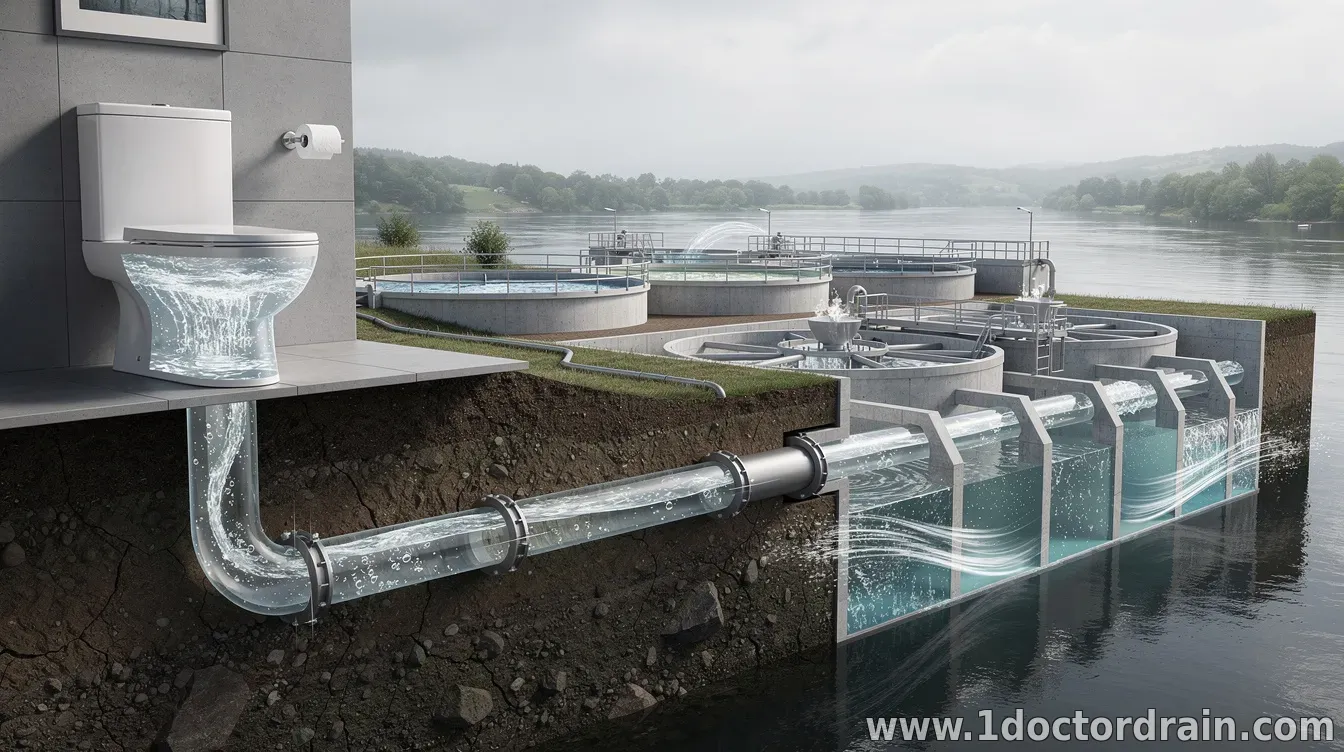
Every flush sends a mix of water, human waste, toilet paper, and household wastewater into the city’s plumbing network. From there, what happens next depends on where you live, but the overall process is designed to move sewage safely and treat it before it reaches the environment.
First stop: the sewer or septic system
In many cities, wastewater flows through underground pipes called sewers. In areas not served by centralized sewer lines, homes may rely on septic systems instead, where waste is treated on-site. Either way, the water is collected and transported to the next stage of treatment. Centralized sewer systems
Most municipal sewer systems are “gravity-fed,” meaning wastewater moves downhill through pipes. If your neighborhood is flat or higher than the treatment plant, pumping stations may transfer sewage to the next section of the network. Along the way, the system also helps prevent leaks and reduces the chance that raw wastewater reaches streets or waterways.
Once wastewater arrives at a treatment facility, operators typically begin with screening—removing large debris like rags and plastics. Next comes primary treatment, where heavy solids settle as sludge and lighter material can be skimmed off.
After that, most plants move into biological treatment (often using aeration tanks). Microorganisms break down dissolved and suspended organic matter. Many facilities then disinfect the treated water—using methods such as chlorine, ultraviolet light, or other approved processes—before releasing it. After treatment: discharge and reuse
Following treatment, the remaining water (often called effluent) is usually discharged to a river, lake, or the ocean. In some regions, effluent can also be reused for non-drinking purposes such as irrigation, industrial processes, or replenishing groundwater—depending on local regulations.
The sludge doesn’t vanish
Even after wastewater is treated, a portion becomes residual material. Sludge collected during treatment is further processed—commonly through digestion and dewatering—then managed according to environmental rules. Some sludge products may be used as fertilizers or soil amendments when they meet safety standards; in other cases, it’s transported for disposal.
Septic systems work differently
With septic systems, wastewater flows from your home into a buried tank. Solids settle to the bottom, while lighter material floats. Over time, partially treated liquid (effluent) moves into a drain field, where soil and natural biological processes provide additional treatment before the water infiltrates ground layers.
Because septic systems rely on the health of the tank and surrounding soil, proper maintenance—such as pumping on schedule and conserving water—matters. Problems like overloaded tanks or damaged drain fields can lead to contamination of groundwater.
What you flush can affect the whole system
Even well-run utilities have limits. Things like “flushable” wipes, grease, chemicals, and non-biodegradable items can clog pipes, interfere with treatment, or increase costs for communities. Using the toilet responsibly—and following local disposal guidance—helps keep both centralized sewer and septic systems working effectively.
In short, your flush sets off a chain reaction: collection, transport, treatment, and regulated release or reuse. The process is complex, but the objective is straightforward—protect public health and keep waterways cleaner.
| |
|
| |
CALL ☎ Subscribe 👆
Next & Previous posts
Related materials:
CONTACT US 📩
Submit the form, we'll contact you as soon as possible!