NEWS

Home NEWS

☎ 312-532-6435

Drain сleaning serviсe, clogged drain, sewer cleaner, IL


Main Line Rodding vs. Spot Repair: Which Is Needed?

Main Line Rodding vs. Spot Repair: Which Is Needed?


When sewer or drain problems start, the most important question is not just what is happening—it’s where. That location determines whether a contractor recommends main line rodding (clearing an obstruction in the pipe) or spot repair (fixing a damaged section of pipe).


Main line rodding and spot repair can both be effective, but using the wrong method can waste time and cost more in the long run. Here’s how to tell the difference.


What main line rodding is for


Main line rodding is typically used when the issue is an obstruction inside an otherwise intact pipe. A professional will insert a mechanical rod or cable into the line to break up or pull out material causing the blockage.


This approach is often chosen when symptoms suggest a buildup—such as slow drainage, gurgling sounds, backups that appe ... Read more »


Added: admin 08/08/2026 into the category «Drain cleaning serviсe» Views: 135 Commets: 0
More


Bathroom Sink Pop-Up Stoppers: Why They Clog and Fixes

Bathroom Sink Pop-Up Stoppers: Why They Clog and Fixes


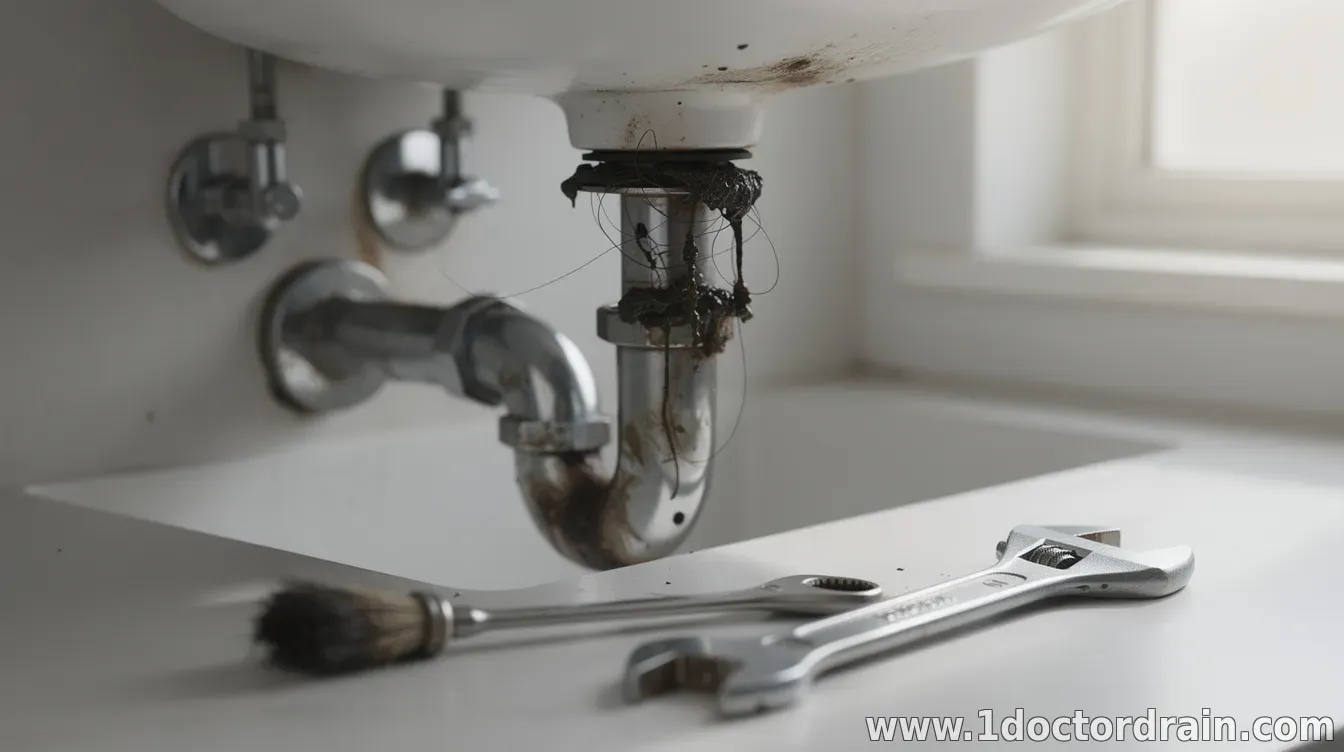
Bathroom sink pop-up stoppers are convenient—until they start to drain slowly, stick in place, or refuse to seal properly. When a pop-up won’t work as expected, the problem is usually more than “just a clog.” Hair, soap residue, toothpaste particles, and hard-water minerals can accumulate in the stopper body, the drain throat, and the linkage that raises and lowers the plug.

What makes pop-up stoppers clog

The most common culprits are debris that collects right where the stopper meets the drain. Hair and lint act like a filter, trapping more buildup over time. Soap scum and toothpaste residue can form a sticky film, which then catches on hair and allows mineral deposits to grow. In hard-water areas, calcium and magnesium can also create a rough coating that makes the stopper harder to move and more likely to snag.


Another frequent issue is misalignment: after cleaning, reinstalling, or minor plumbing movement, the link ... Read more »


Added: admin 08/07/2026 into the category «Drain cleaning serviсe» Views: 155 Commets: 0
More


Backflow Valves for Floor Drains: Are They Worth It?

Backflow Valves for Floor Drains: Are They Worth It?


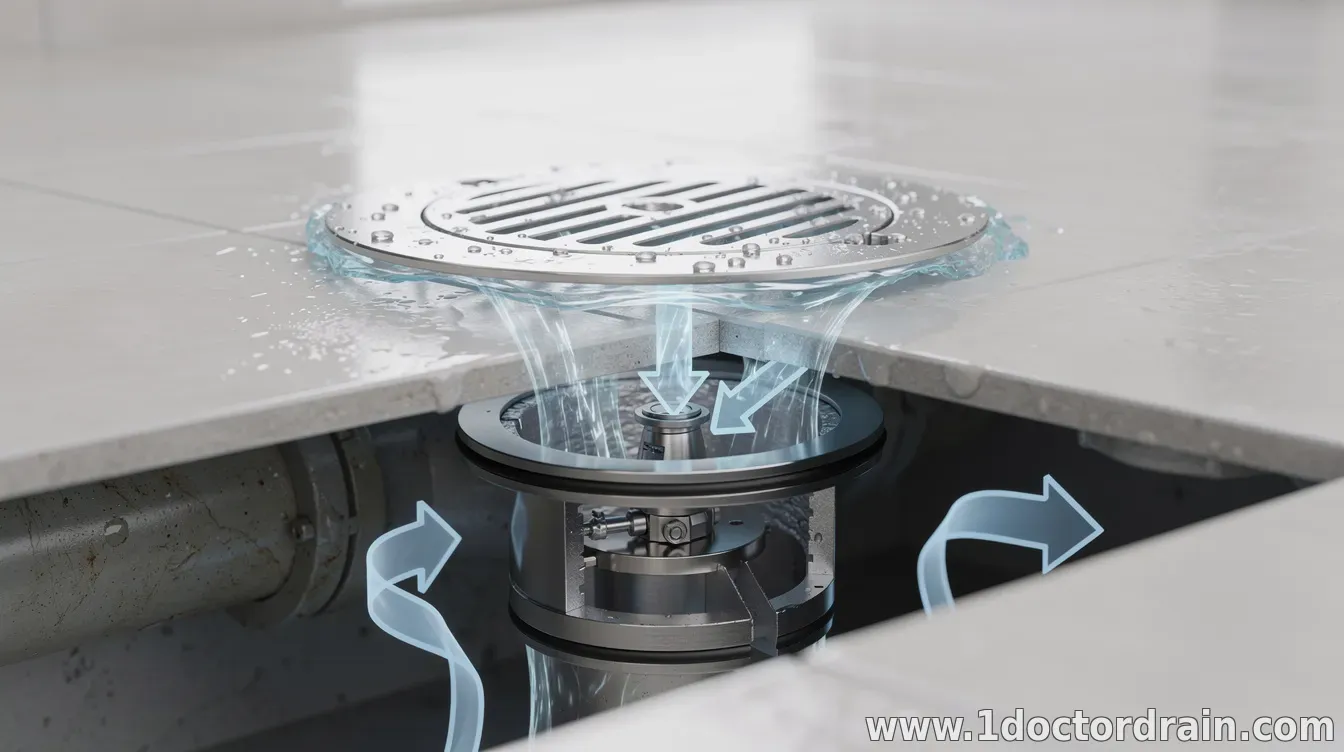
Backflow valves for floor drains are designed to prevent foul water from flowing in reverse into a building. In practice, that can matter most during storm surges, sewer overflows, or plumbing backups—situations when gravity and pressure can work against homeowners.


So, are they worth installing? The answer is often yes for some properties, but it’s not a universal fix. The value depends on how your drainage system is configured, how frequently backups occur in your area, and whether you can maintain the devices over time.


When backflow protection is most useful


Backflow events are typically associated with high inflow to municipal sewers, blocked lines, or issues in shared plumbing. Floor drains are especially vulnerable because they’re commonly located at or near slab level, where reverse flow can enter living spaces.


If you have a basement, garage, crawlspace, or util ... Read more »


Added: admin 08/06/2026 into the category «Drain cleaning serviсe» Views: 144 Commets: 0
More


Laundry Drain Backups: How Lint and Detergent Cause Clogs

Laundry Drain Backups: How Lint and Detergent Cause Clogs


Laundry drain backups are more than an inconvenience—they can damage plumbing, create odors, and in severe cases lead to overflowing wastewater. While many people blame “a clog somewhere,” the most common culprits in laundry systems are lint accumulation and detergent residue that gradually build up where wastewater slows down.


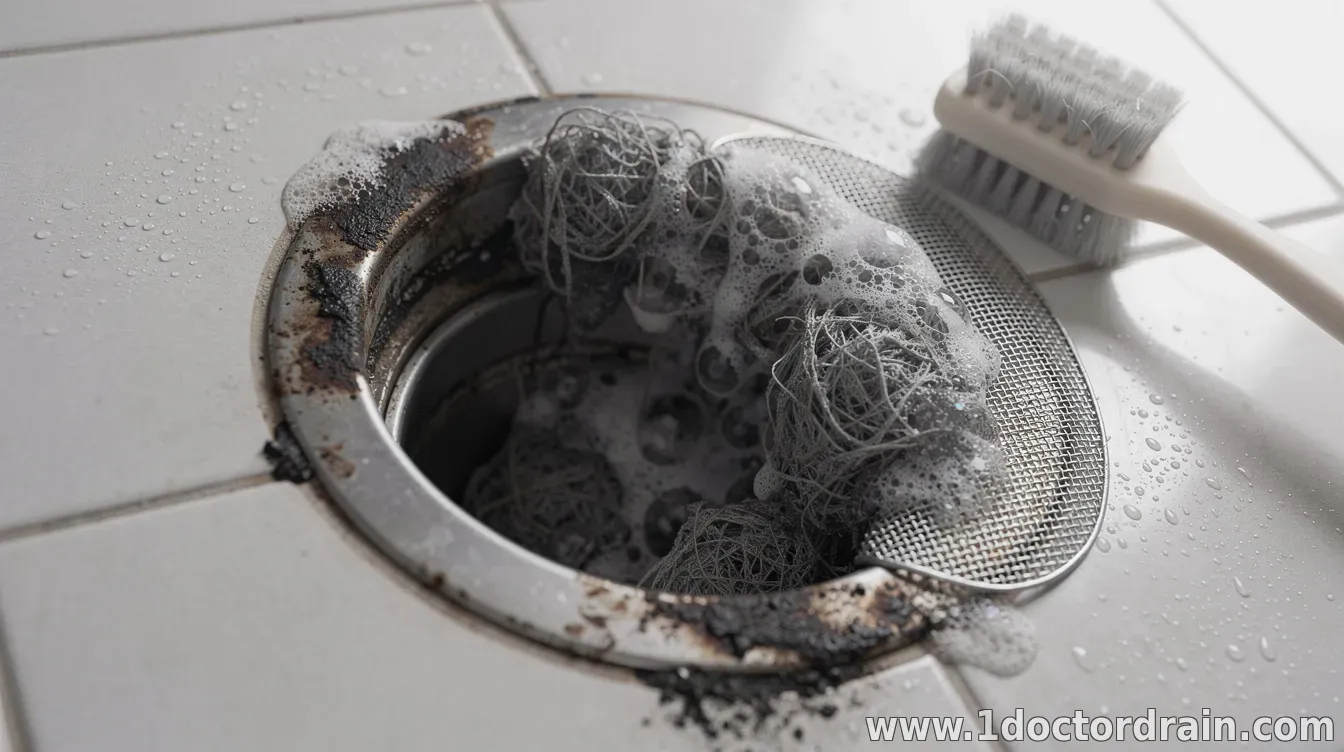
Lint is the primary troublemaker. During cycles, small fibers shed from clothing—especially towels, hoodies, and synthetic fabrics—can wash loose and travel through the drain line. Over time, lint behaves like a filter, catching on pipe walls and forming a mat that reduces flow. The result is a drain that gurgles, drains slowly, or backs up into the washer’s outlet path.


Detergent buildup compounds the problem. Even when soap appears to rinse clean, many formulations leave behind films—particularly high-sudsing detergents, fabric softeners ... Read more »


Added: admin 08/05/2026 into the category «Drain cleaning serviсe» Views: 143 Commets: 0
More


« 1 2 ... 10 11 12 13 14 ... 61 62 »