
1:09 AM Laundry Drain Backups: What’s Different and Why It Matters | |
|
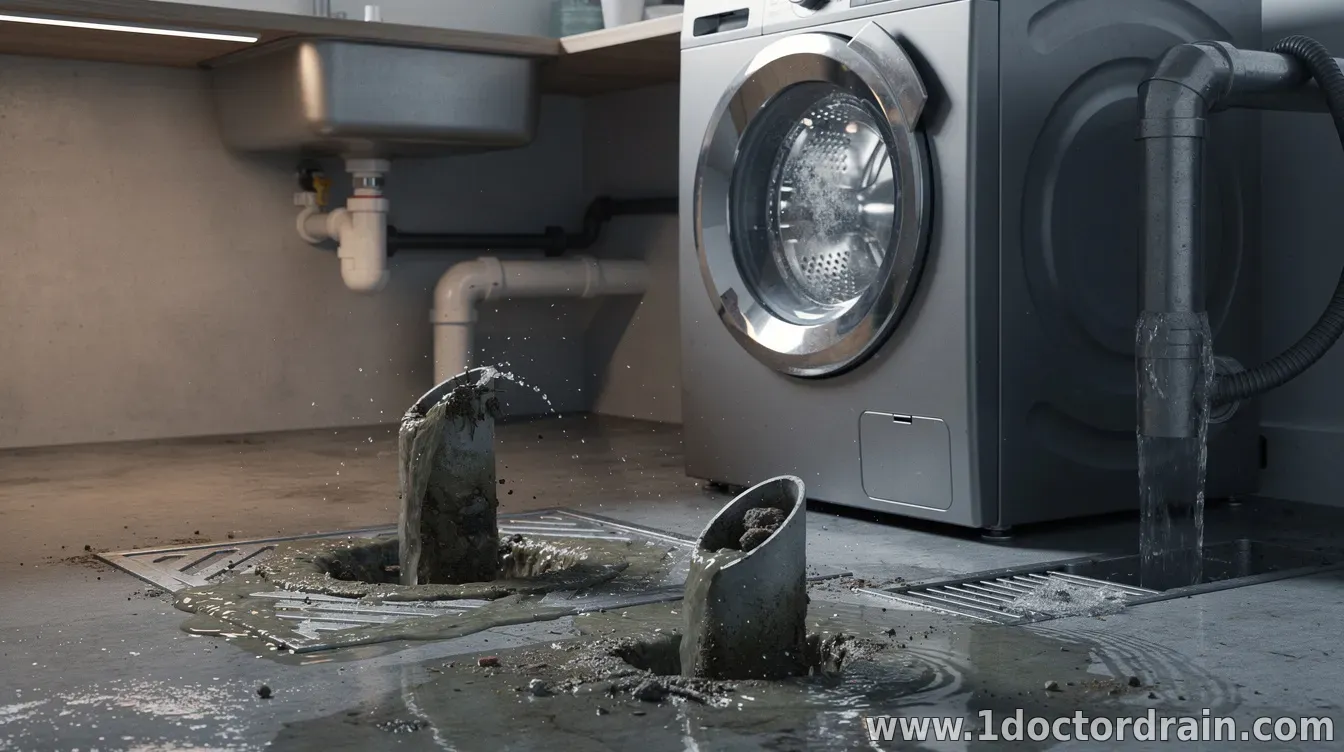
When a sink or tub backs up, homeowners often think “a clog in the main line.” With laundry drain backups, the story is frequently more specific: washers discharge large volumes of water on a timer, and their drainage depends on correct flow through the home’s drain and vent systems.
That’s why laundry backups can behave differently—starting during certain wash stages, affecting other fixtures inconsistently, or returning with repeating patterns after each load. Timing and symptoms: the washer clues
Many laundry backups show up at predictable moments in the wash cycle. For example, issues may appear when the washer is draining, during spin cycles, or after the tub fills and releases water. Homeowners may notice standing water in the laundry standpipe or utility sink, gurgling sounds from the drain, and slow drainage that worsens with heavier loads.
Because washers push water out in bursts, a marginal blockage or weak venting connection can be “overwhelmed” quickly—making the laundry area the first place the problem shows up. Higher flow volume and air pressure effects
Compared with a slow sink drain, a washing machine can move a lot of water relatively fast. If the drain line is partially restricted, the pressure and water volume during draining can force water back toward the washer outlet.
Vent problems can also matter more for laundry systems. Proper venting helps equalize air pressure so wastewater can leave freely. When venting is inadequate, you can get siphoning or slow, sputtering drainage that leads to repeated backups. Standpipe and connection issues are common culprits
A frequent difference with laundry drain backups is the standpipe and how it’s connected. If the standpipe is too short, too tall, loosely connected, or installed incorrectly, it can affect how water enters the drain and how air moves through the system.
Improper hose routing, a standpipe extension that creates restrictions, or debris buildup in the trap or elbow near the washer can also contribute. These problems may not show up in other fixtures until the laundry discharge is triggered. Recurring behavior and cross-fixture impacts
Another way laundry backups differ is recurrence. If the same washer cycle repeatedly triggers standing water, it suggests the system can’t handle a specific discharge pattern—like the flow rate during a full drain-down or a rinse cycle.
It’s also common for the laundry to be the “first responder” even if the blockage is elsewhere. A partially clogged main line might not be noticeable when you run a slow faucet drain, but it can back up when a washer sends a larger slug of water through the same downstream pathway. What to check first (and what to avoid)
Start by confirming the basics: the washer is draining into the standpipe correctly, the standpipe height and connections appear intact, and there are no obvious leaks or loose fittings. Pay attention to whether the problem coincides with draining or with tub filling and whether gurgling occurs.
For safety and effectiveness, avoid using harsh chemicals as a default troubleshooting step—especially if you suspect venting issues or a connection problem. If you need a more direct approach, a plumber may use inspection tools to locate the restriction and determine whether it’s in the washer branch line, the venting, or the main.
Because laundry backups can indicate system-level drainage or ventilation constraints, the “fix” is often about restoring correct flow and preventing recurring blockages—not just clearing a single drain.
In many cases, getting the right diagnosis early can prevent repeated overflows, protect floors and cabinetry from moisture damage, and reduce the chance of lingering odors or more widespread drain failures.
| |
|
| |
CALL ☎ Subscribe 👆
Next & Previous posts
Related materials:


CONTACT US 📩
Submit the form, we'll contact you as soon as possible!