2:35 AM Why Is My Kitchen Sink Always Clogged and How to Fix It | |
|
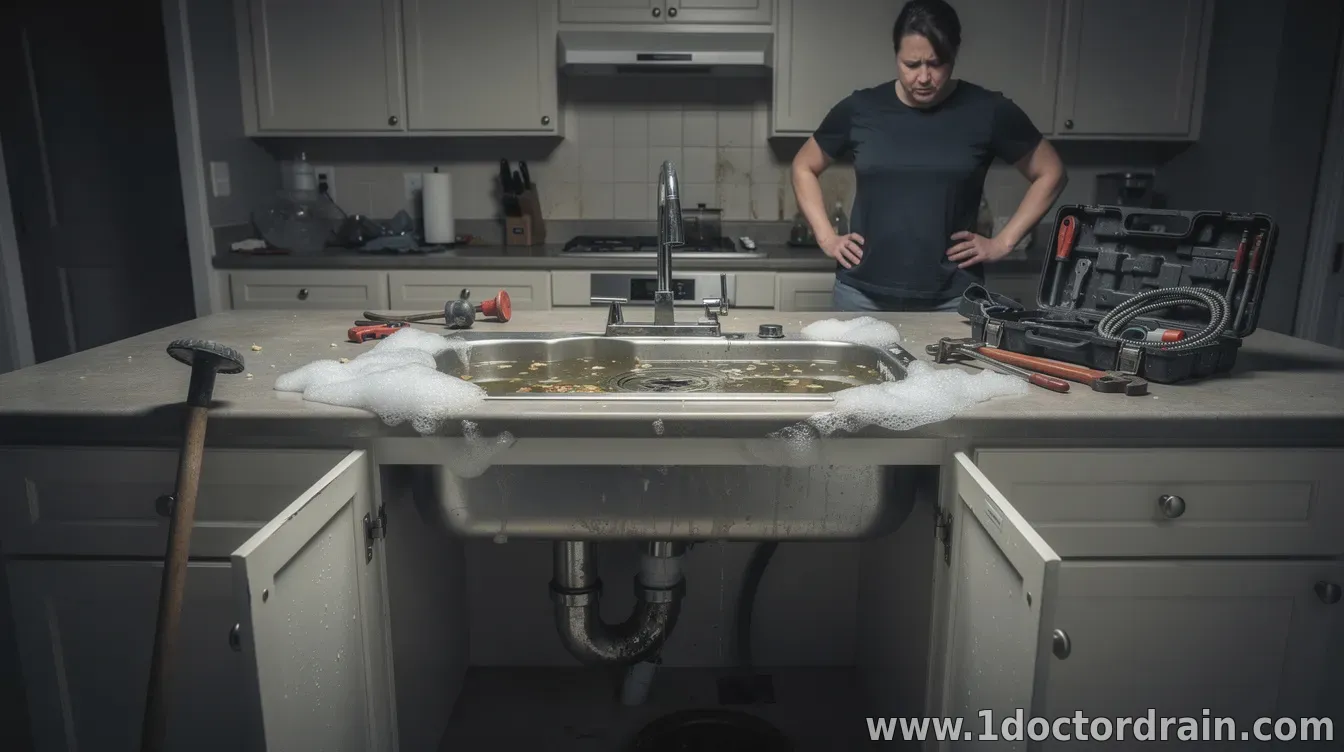
Every homeowner has faced the familiar sinking feeling of a slow drain or a full-on clog. A kitchen sink that won’t drain properly can disrupt meal prep and daily routines. Understanding the typical culprits and practical remedies can help you regain a smooth, functional sink without immediately calling a plumber.
What usually causes kitchen sink clogs
The most common offenders are grease and food scraps that accumulate over time, forming stubborn solids that trap other debris. Starchy foods, coffee grounds, and fibrous vegetable peels can also contribute to blockages. In some homes, a buildup of soap scum and mineral deposits from hard water can create a slimy film that catches waste.
Another frequent source is hair and debris that makes its way into the drain through the sink’s overflow or disposal area. If you have a garbage disposal, misusing it—such as grinding fibrous or starchy foods—can lead to clogs as well as damaged or clogged pipes.
Old plumbing and venting issues can worsen clogs. Narrow or corroded drain pipes, or blocked vent pipes that allow air to escape, can cause slow drainage and recurring backups. In some cases, tree roots or external sewer line problems manifest as kitchen-specific slow drains after heavy rain or seasonal changes.
Immediate steps to clear a stubborn clog
Start with the simplest remedy: remove any standing water and try a plunger designed for sinks. If that doesn’t work, use a drain snake or auger to dislodge the blockage beyond the trap. A mixture of hot water and dish soap can help loosen grease; avoid boiling water if you have PVC pipes to prevent damage. For mineral buildup, a plumber-approved descaling solution can help.
Never pour chemical drain cleaners down a kitchen sink as a first-line fix. They can damage pipes, harm septic systems, and pose safety risks. If a plunger or snake doesn’t clear the drain, it’s time to move to more thorough approaches or professional help.
Prevention tips to keep your sink flowing
Use a strainer to catch solids and dispose of grease in the trash rather than the sink. Run cold water while using the disposal, and only put small amounts of food scraps at a time. Regularly flush the drain with hot water followed by a small amount of dish soap to reduce buildup. Periodic maintenance with a non-corrosive enzyme-based cleaner can help break down organic matter without harming pipes.
When to call a professional
If you’ve tried mechanical methods without success, or if you notice recurring backups, foul odors, or gurgling sounds in the pipes, consult a licensed plumber. Persistent clogs may indicate deeper issues, such as compromised plumbing, venting problems, or sewer line trouble, which require professional diagnosis and repair.
| |
|
| |
CALL ☎ Subscribe 👆
Next & Previous posts
Related materials:

CONTACT US 📩
Submit the form, we'll contact you as soon as possible!