NEWS

Home NEWS

☎ 312-532-6435

Drain сleaning serviсe, clogged drain, sewer cleaner, IL


1:05 AM
Why Bathtub Drains Clog Faster Than Sink Drains


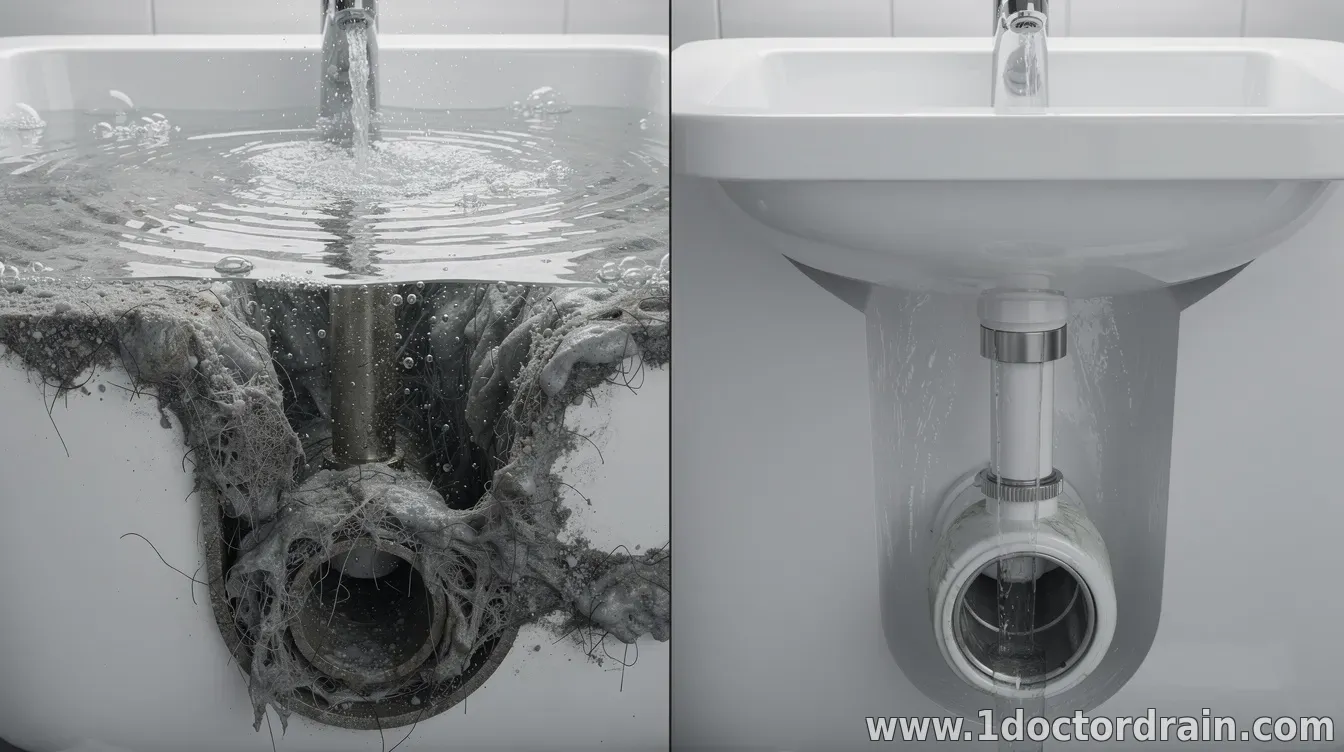
Bathtub drains have a reputation for clogging sooner than sink drains, and the reason is largely about what goes down the pipe—and how it behaves once it’s there. While both fixtures can accumulate residue, tubs tend to create the perfect conditions for faster buildup.


1) More hair and skin debris enter tub drains
In most homes, hair tends to be washed in the shower or bathtub, and loose strands can catch, mat, and braid together. Bathtubs also receive more skin cell buildup and body oils than sinks, especially during longer baths where water contacts the body for extended periods.


2) Soap and conditioner residue form thicker deposits
Toiletry products don’t just disappear after rinsing. Soap, shampoo, conditioner, and body wash can leave behind a sticky film—especially when hard water minerals are present. Over time, that film traps hair and other particles, turning what would be a slippery layer into a denser, clog-causing buildup.


3) Standing water slows drainage and encourages settling
A typical sink drains faster and is used in shorter bursts, so water flow can carry debris away before it has time to accumulate. Bathtubs, by contrast, often involve deeper water and longer soak times. When water is slow to clear, solids settle and adhere to the pipe walls, increasing the likelihood of a blockage.


4) The drain path and shape can capture gunk
Many tub drains have a different plumbing layout than kitchen or bathroom sinks. Changes in pipe diameter, bends, and the way a drain trap is configured can create more “catch points,” where hair and residue collect rather than flush through.


5) Frequency and usage patterns differ
Sinks are used for washing hands, dishes, or brushing teeth—often with comparatively small debris loads per use. Bathtubs are used for full-body washing, shaving, or hair washing, which can contribute larger amounts of fibrous and oily material. If a bathtub sees weekly baths or frequent showers, the cumulative buildup can outpace sink clogging.


What can help prevent tub clogs


Simple prevention usually works best. Using a drain strainer or hair catcher can stop most hair from entering the drain. For routine maintenance, periodically flushing with hot water can help reduce soap film, and occasional cleaning with products designed to break down hair and buildup may keep clogs from forming.


If a clog starts to develop—like slower drainage or water pooling—addressing it early is often easier than waiting for a complete blockage. Prompt action can also help avoid harsher interventions that may damage plumbing or spread residue further into the line.


Category: Drain cleaning serviсe | Views: 5 | 08/17/2026 | Added by: admin | Tags: home plumbing, drain cleaning, clog prevention, plumbing maintenance, bathtub drains | Rating: 5.0/1

CALL ☎ Subscribe 👆

Next & Previous posts


Related materials:

Total comments: 0
avatar


CONTACT US 📩

Submit the form, we'll contact you as soon as possible!


Full name *:
E-mail *:
Phone *:
Message *:
Select type of service *:
Your area *:
Security code *: