
2:32 AM Shower Drain Clogs Explained: Hair, Soap Scum, Biofilm | |
|
Slow-draining showers are a common household problem, but the cause is rarely just one thing. Most clogs develop when hair, soap residues, and microorganisms combine to create stubborn buildup inside the drain line.
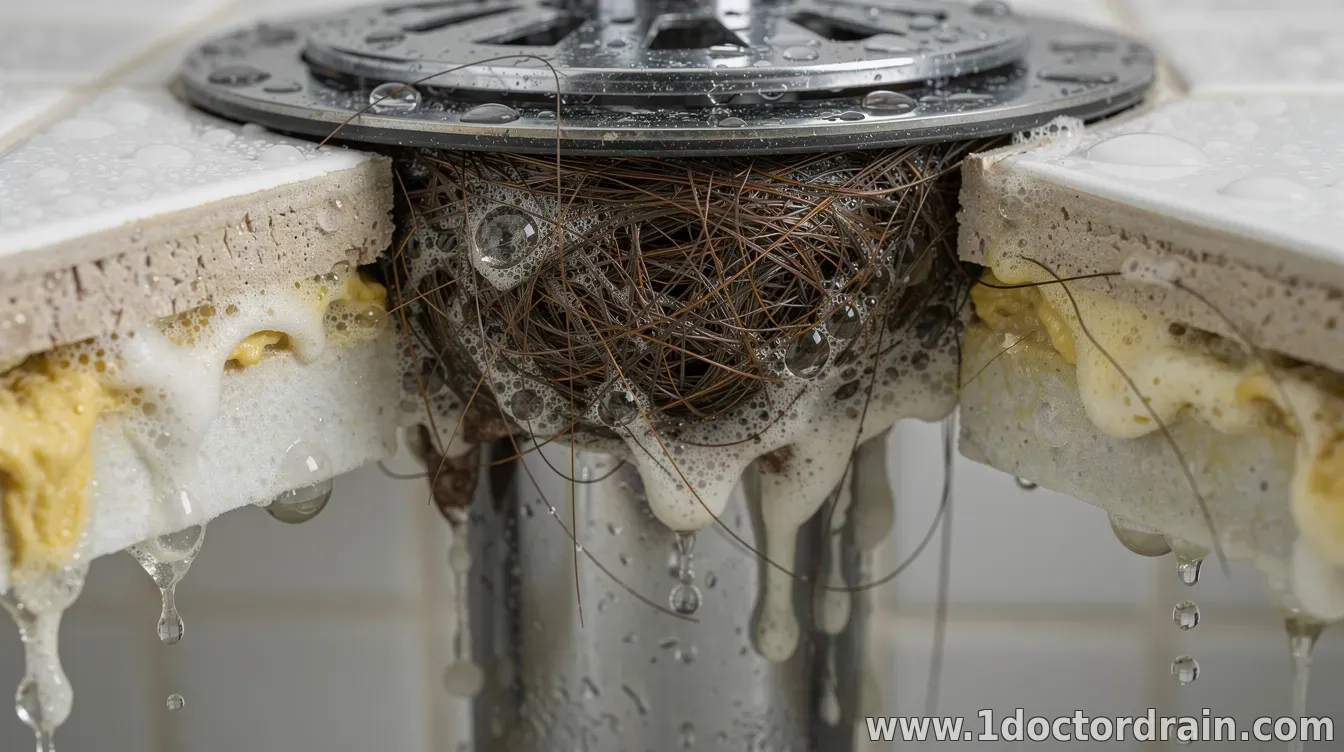
While the visible blockage may look like a single mass, it typically forms in layers: strands of hair catch debris, soap scum hardens into a sticky residue, and biofilm—an adhesive microbial layer—helps everything cling together. Hair: the first layer of the clog
Hair is the main “starter” for many shower drain problems. As water runs over the shower floor, loose strands are carried toward the drain opening. Because hair is fibrous and resistant to breakdown, it can accumulate at key points such as the drain strainer, the curve of the pipe, or any narrowing sections.
Over time, hair mats trap additional particles—dead skin, lint, and small soap particles—turning an initially minor blockage into a larger obstruction that restricts flow. Soap scum: residue that hardens and bonds
Even when hair alone would not fully stop drainage, soap scum can make the situation worse. Soaps and many shampoos contain fats, surfactants, and additives that can react with minerals in hard water. The result is a film that sticks to pipe walls and can gradually thicken.
That film isn’t just slippery—it can become increasingly resistant to normal rinsing. When hair and other debris are coated in this sticky residue, they hold together more tightly, making future clogs more likely. Biofilm: the hidden glue of recurring clogs
Beyond hair and scum, biofilm is a frequent reason blockages return even after partial cleanups. Biofilm is a thin, living layer of microorganisms that adheres to surfaces and produces a protective matrix. In shower drains, it forms in consistently damp, nutrient-rich conditions.
When biofilm develops, it acts like “glue,” helping hair and soap residues bind to the pipe interior. This can create foul odors and make clogs feel more difficult to clear because the buildup is both sticky and resistant to simple flushing. What homeowners often notice
Clogs usually show up gradually. Residents may experience slower drainage, gurgling sounds, standing water, or persistent musty smells coming from the drain. In many cases, these symptoms correlate with the combined presence of hair mats, soap scum buildup, and microbial layers that continue to accumulate.
Because the process is incremental, delaying attention can allow the clog to grow from a manageable obstruction into one that requires more intensive intervention. Prevention: reducing buildup before it hardens
Maintenance strategies tend to work best when they target all three clog components. A drain cover or strainer can catch hair before it enters the pipe, while regular cleaning helps limit soap residue buildup on surfaces. Keeping the drain area dry between showers can also reduce moisture that supports biofilm growth.
For households with frequent issues—especially with long showers, hard water, or high hair exposure—more consistent preventive routines can make a noticeable difference in how quickly clogs form and how severe they become.
Understanding the roles of hair, soap scum, and biofilm also helps explain why a one-time “deep clean” sometimes doesn’t solve the problem long-term. The most effective approach is usually an ongoing plan that interrupts buildup at multiple stages.
| |
|
| |
CALL ☎ Subscribe 👆
Next & Previous posts
Related materials:
CONTACT US 📩
Submit the form, we'll contact you as soon as possible!