1:34 AM Bathroom Sink Pop-Up Stoppers: Why They Clog and Fixes | |
|
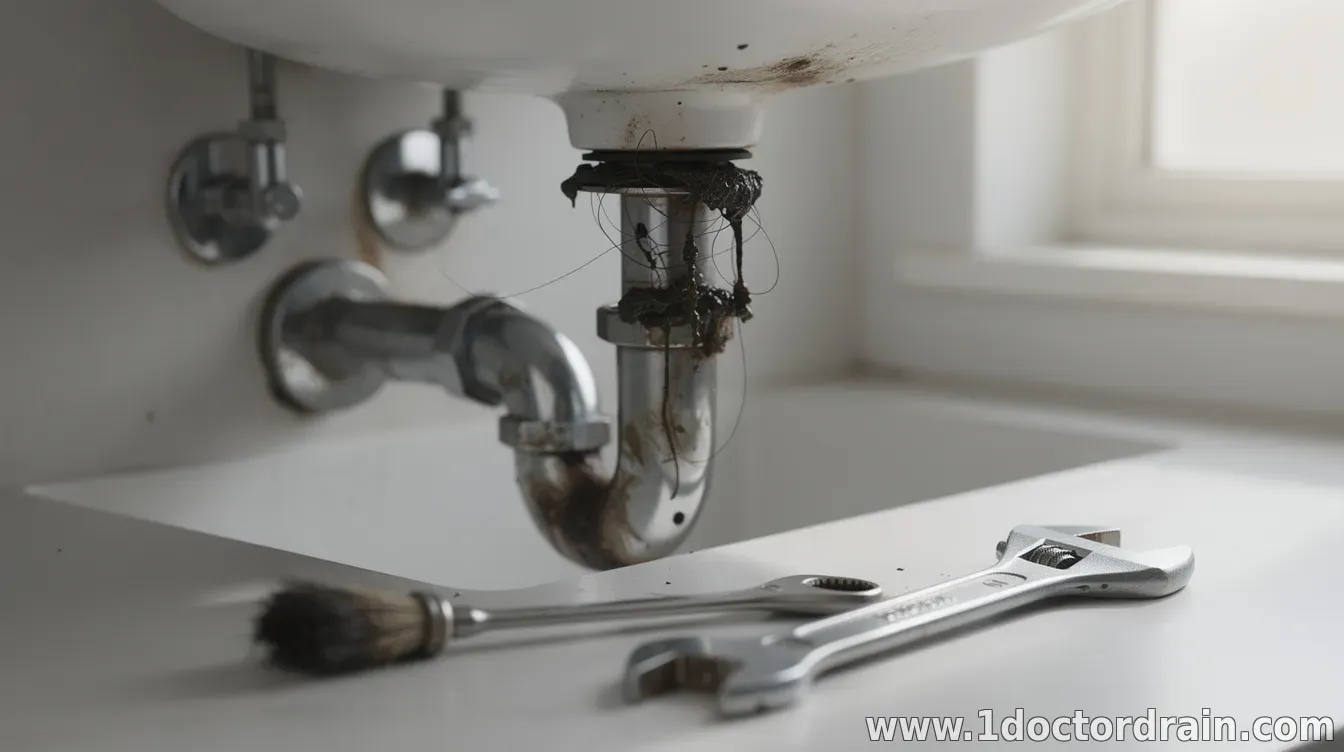
Bathroom sink pop-up stoppers are convenient—until they start to drain slowly, stick in place, or refuse to seal properly. When a pop-up won’t work as expected, the problem is usually more than “just a clog.” Hair, soap residue, toothpaste particles, and hard-water minerals can accumulate in the stopper body, the drain throat, and the linkage that raises and lowers the plug. What makes pop-up stoppers clogThe most common culprits are debris that collects right where the stopper meets the drain. Hair and lint act like a filter, trapping more buildup over time. Soap scum and toothpaste residue can form a sticky film, which then catches on hair and allows mineral deposits to grow. In hard-water areas, calcium and magnesium can also create a rough coating that makes the stopper harder to move and more likely to snag.
Another frequent issue is misalignment: after cleaning, reinstalling, or minor plumbing movement, the linkage may not fully engage the stopper. Even if the drain isn’t completely blocked, a partially stuck stopper can reduce flow and create a “gurgle and slow drain” pattern. Signs you’re dealing with a stopper problem (not only a drain clog)
Look for clues beyond water backing up. If the plug doesn’t raise smoothly, feels gritty, or sometimes drops on its own, buildup is likely affecting the stopper mechanism. If the stopper seals inconsistently—water drains but then leaves a slow trickle—mineral scale or residue may be interfering with the rubber or metal surfaces where the plug meets the drain opening.
Also consider whether the issue is localized. A clog that appears only in one bathroom sink points toward the stopper assembly and nearby trap/drain run. If multiple fixtures drain poorly at once, the cause may be a broader plumbing issue, such as a venting problem or a larger blockage downstream. How to fix it: safe unclogging and restoration steps
Start with the simplest approach: remove visible debris. If you can access the stopper from above, remove the pop-up cap or strainer cover (often by unscrewing or lifting a top piece, depending on the model). Take out hair and gunk you can reach, and wipe the underside of the stopper and surrounding drain rim.
Next, clear the drain below the stopper. Use a drain brush or a flexible tool designed for sink drains (avoid forcing hard metal pieces that can scratch). If you have standing water, a manual approach like a plunger can work for drain clogs—just keep the stopper in place so you’re sealing against the basin rather than pushing air into the linkage.
For soap scum and mineral buildup, use a cleaner that’s appropriate for drains. If you suspect scale is affecting the stopper seal, apply a descaling agent or vinegar-based soak to the metal/rubber contact points (follow product directions and avoid mixing chemicals). Scrub with a soft brush, rinse thoroughly, and test the stopper’s movement after cleaning.
If the stopper still sticks, focus on the mechanism. Check the linkage for bends, loose connections, or misalignment. Tighten any fasteners you find, and ensure the rod engages correctly when you press the handle. Lubricate lightly with a plumber-safe silicone-based product if the manufacturer allows it—skip heavy grease that can trap more debris. When to remove the stopper assembly
If cleaning doesn’t restore smooth operation or flow, the stopper may need to come out. Many pop-up assemblies can be removed by detaching the linkage from the top and undoing the mounting nut or retaining ring from below. Once removed, you can directly clean the stopper body, the drain opening, and the interior surfaces where buildup typically forms. Reinstall carefully to keep the plug centered and the linkage aligned.
Be cautious: different brands use different mechanisms, and some connections can be corroded, especially in older bathrooms. If parts won’t come free without excessive force, stop and consider professional help to avoid cracking the sink or damaging threads. Prevention tips to keep pop-up stoppers from clogging again
Prevention is mostly about reducing what gets trapped. Use a hair catcher, wipe the drain rim regularly, and avoid rinsing large amounts of toothpaste debris or thick soap directly into the sink. Every few weeks, run warm water and do a quick mechanical clean (brush or tool) to break up early buildup before it hardens into scale.
For hard-water homes, periodic descaling of the stopper seal area can make a noticeable difference in both drainage and smooth operation. A few minutes of maintenance can prevent the “stuck plug” cycle that leads to longer clogs and more involved disassembly.
| |
|
| |
CALL ☎ Subscribe 👆
Next & Previous posts
Related materials:

CONTACT US 📩
Submit the form, we'll contact you as soon as possible!