4:07 AM Comprehensive Storm Drain Solutions for Homes and Commercial Properties | |
|
Stormwater management is essential for protecting structures, foundations, and landscapes. A well-planned storm drain system can reduce flooding risk, minimize erosion, and improve runoff quality. This article outlines proven approaches for single-family homes and commercial properties, with practical steps for assessment and upgrades.
Lead: Urban and suburban areas face increasing rainfall intensity, making robust drainage a top priority for property owners. A balanced system considers site conditions, local codes, and long-term maintenance to ensure reliability during heavy storms. Key design options for homes and small buildings
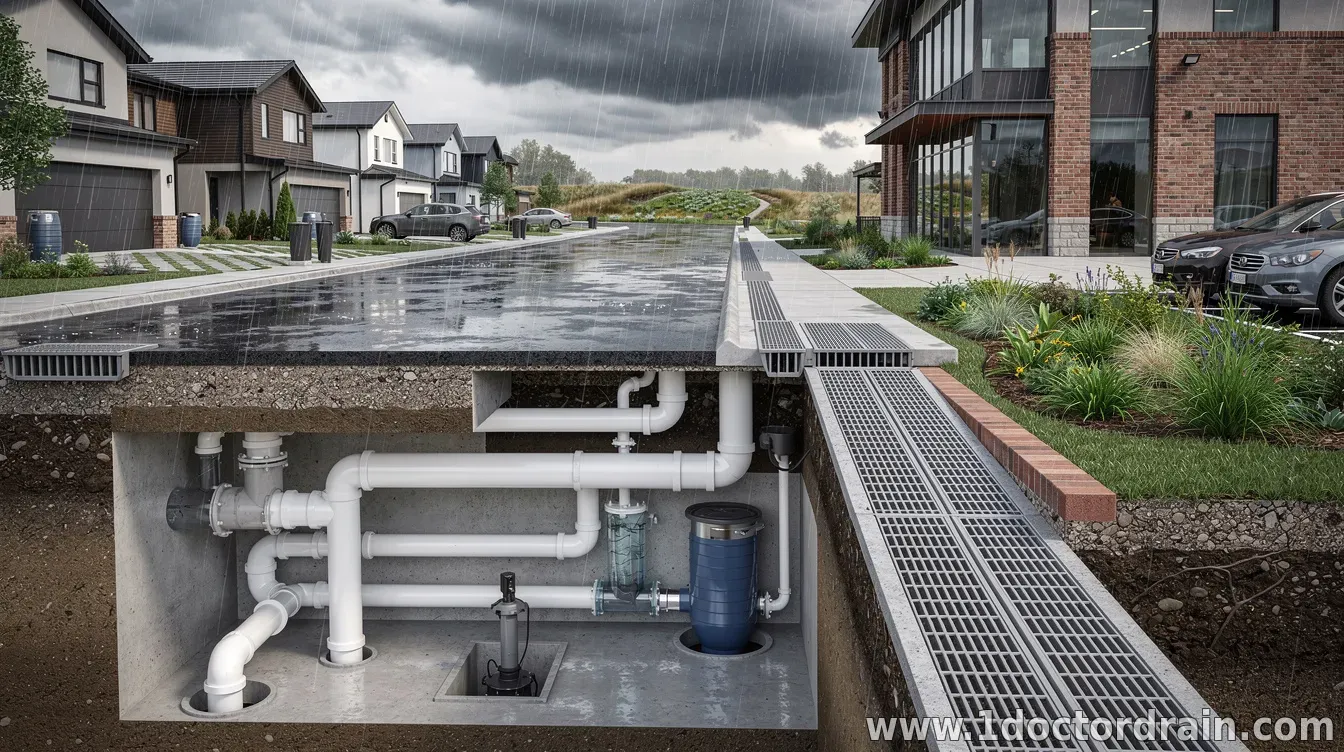
Common residential solutions include grading and surface drainage to direct water away from foundations, gutter and downspout extensions, and subsurface piping where feasible. In addition, trench drains, channel drains, and perforated lateral pipes can capture and convey roof and surface runoff efficiently, while backflow preventers protect against sewer backups during municipal surges. Commercial considerations and scale
Commercial properties require larger capacity, durability, and often multiple collection points. Decisions may involve detention or retention basins, underground vaults, and regulated stormwater management systems that meet local ordinances. Design should factor in peak rainfall, soil permeability, and traffic compatibility for maintenance access.
Key components often used in commercial installations include:
Materials, durability, and maintenance
Durability matters: choose corrosion-resistant metals, UV-stable plastics, or concrete where appropriate. Regular inspection—especially after storms—helps catch cracks, blockages, or misalignments. Cleaning routines should address sediment removal, vegetation growth, and debris that can impede flow.
Maintenance schedules vary by system complexity but typically include annual inspections, after-storm checks, and routine cleaning of inlets, outlets, and filters. Documenting changes supports future upgrades and compliance reporting. Costs and permitting
Costs depend on system size, materials, and site constraints. Home upgrades often range from a few hundred to several thousand dollars, while commercial projects can reach into the tens of thousands. Permitting requirements vary by jurisdiction; engaging a licensed engineer or contractor early helps ensure code compliance and smooth approvals. Next steps for property owners
Start with a site assessment to identify high-risk zones, then prioritize projects that restore natural drainage and add backup protection. Consider phased approaches to spread costs and minimize disruption. For complex sites, a professional drainage design can deliver optimized performance and long-term resilience.
| |
|
| |
CALL ☎ Subscribe 👆
Next & Previous posts
Related materials:

CONTACT US 📩
Submit the form, we'll contact you as soon as possible!