1:18 AM Why Hydro Jetting Is Considered Environmentally Friendly | |
|
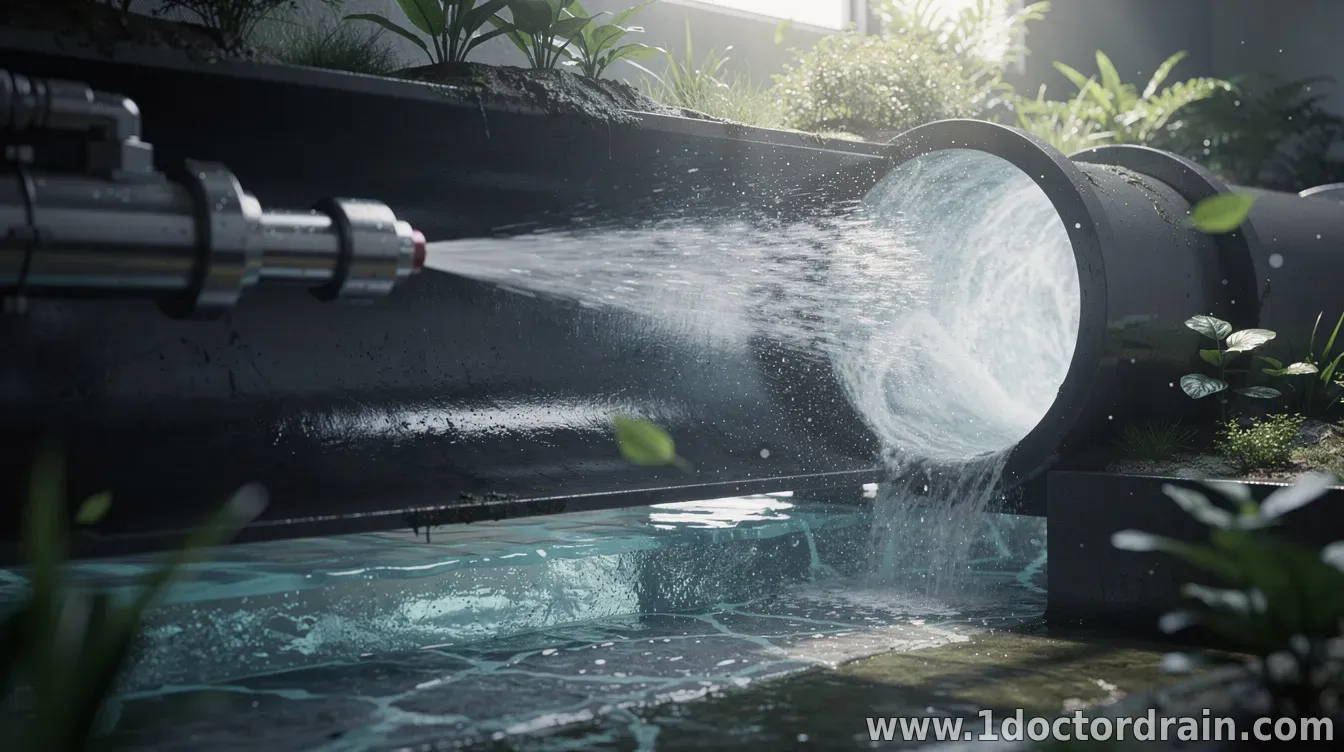
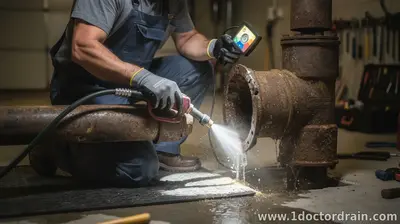
Hydro jetting—often used by plumbers to clean clogged drains and sewer lines—relies on pressurized water to remove grease, scale, mineral buildup, and other debris. Its reputation for being “environmentally friendly” comes from how it performs the job: using water as the primary cleaning agent rather than chemical caustics or solvents.
In many cases, hydro jetting can also help prevent recurring blockages. By thoroughly clearing buildup along the pipe walls, it may reduce the frequency of repeat treatments, which can indirectly lower resource use over time. Chemical-free cleaning at the point of use
Unlike treatments that depend on strong chemical drain cleaners, hydro jetting typically uses only water (sometimes with approved detergents depending on the situation and local regulations). That matters environmentally because it avoids introducing corrosive substances into plumbing systems—and the wastewater streams connected to them.
From an operator perspective, this can also reduce hazards associated with chemical handling, storage, and transport. Fewer chemicals in the workflow generally means a lower chemical footprint for the cleaning service itself. Targeted removal of buildup, not “surface” clearing
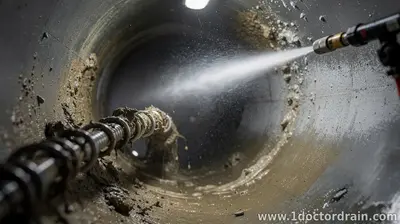
Many clogs are caused by accumulated material along the interior of pipes. Hydro jetting is designed to cut through and flush out that buildup using controlled pressure and a nozzle system, rather than merely breaking a blockage at the drain opening. When the pipe interior is cleaned more thoroughly, the system may be less likely to re-clog soon.
That improved cleaning depth can translate into fewer service calls. Fewer repeat visits can mean reduced travel emissions and less labor and equipment time—small factors individually, but meaningful at scale. Less need for harsh “chemical alternatives”
Common chemical drain products are intended to dissolve or react with clogs. While they can work in some scenarios, they can also create environmental and safety concerns, particularly if they’re used repeatedly or used where they’re not appropriate for the plumbing material or the cause of the blockage.
Hydro jetting shifts the approach toward physical removal. When the clog source is mineral deposits, grease, or biofilm-like buildup, jetting can be a direct method that doesn’t rely on chemical reactions to do the heavy lifting. Wastewater management is the deciding factor
Hydro jetting can be more environmentally responsible, but the full impact depends on how wastewater is handled. Jetting dislodges debris that must be conveyed and processed properly. Responsible contractors typically use appropriate flushing routes and capture or route solids according to local sewer and environmental requirements.
In communities where regulations restrict what can be discharged to storm drains or where grease and solids require special handling, environmentally friendly outcomes depend on compliance—such as ensuring that dislodged material is processed through permitted treatment channels. When it may not be the best choice
Hydro jetting isn’t automatically “green” for every situation. If a pipe is damaged, severely corroded, or structurally compromised, high-pressure cleaning can worsen issues. In those cases, alternative approaches (inspection-first methods, targeted removal, or repairs) may be more sustainable overall because they prevent additional damage and rework.
Environmentally minded service providers often start with assessment—such as camera inspections—so the cleaning plan matches the condition of the line. What homeowners and businesses can look for
If you’re evaluating hydro jetting for environmental reasons, ask how the service handles both the cleaning process and the aftermath. Good practices typically include assessment before jetting, appropriate pressure settings, and clear information about where dislodged debris and wastewater go.
By focusing on chemical-free cleaning, thorough buildup removal, and responsible wastewater handling, hydro jetting can align well with environmentally conscious goals. The most sustainable results usually come when jetting is chosen for the right problem and paired with compliant disposal practices
| |
|
| |
CALL ☎ Subscribe 👆
Next & Previous posts
Related materials:
CONTACT US 📩
Submit the form, we'll contact you as soon as possible!