1:01 AM Drain Problems in Highland Park & Glencoe: By Home Age | |
|
In Highland Park and Glencoe, many residential neighborhoods include homes built across several decades—each with different plumbing materials, drainage layouts, and maintenance realities. While every property is unique, the age of construction can be a strong clue to the types of drain problems that are most likely to surface over time.
Homeowners typically notice symptoms first—slow sinks, recurring backups, foul odors, or gurgling sounds—yet the root causes often trace back to material choices and installation standards from the home’s construction period. Pre-World War II to mid-century homes (older cast-iron era)
Many houses built before mid-century used cast iron for drain lines. Cast iron can last a long time, but aging commonly leads to internal corrosion, roughened pipe walls, and partial blockages. Over time, deposits can build up and create repeat clogs that worsen gradually rather than suddenly.
Another frequent issue in older properties is that plumbing systems were installed before modern root-blocking approaches became standard. As trees mature, roots can infiltrate joints, mortar, or older connections—especially where shifting soil or past repairs left micro-gaps. Post-war to 1970s (seams, joints, and aging infrastructure)
Homes constructed in the post-war period through the 1970s may show drainage problems linked to joint quality and how the system was originally backfilled and supported. As surrounding soil settles or expands with freeze-thaw cycles, pipes can shift slightly, stressing connections and increasing the odds of slow leaks or intermittent backups.
In this age range, homeowners often report “mystery” backups that seem to follow heavy rains or seasonal temperature swings. That pattern can point to alignment changes, drainage grading problems, or a buildup problem in a section of the line that wasn’t designed for later changes in stormwater flow. Late 1970s through 1990s (as-built designs meet modern expectations)
Later 20th-century homes increasingly used plastics or composite materials for portions of the drainage system, which can improve corrosion resistance. However, that doesn’t eliminate failure risks. Problems still occur when pipe sections were installed with insufficient slope, when materials meet older infrastructure at adapters, or when external conditions—like tree growth or yard regrading—alter how water moves toward the sewer or drain outlet.
During this era, frequent complaints can include recurring clogs near a specific fixture (like a kitchen sink or laundry line), or slow drains that gradually worsen. In many cases, it’s less about a single “bad” pipe and more about how debris collects at transitions, bends, or older cleanouts. 2000s to present (preventable stress points, not just “new pipe”)
Newer homes are often built with more standardized materials and installation methods, but drainage systems can still develop problems—particularly around where indoor plumbing ties into exterior laterals, basements meet underground runs, or where landscaping and hardscaping change surface runoff paths.
For modern properties, issues may be less about pipe corrosion and more about localized failures: infiltration from poor sealing at penetrations, disturbance during driveway or landscaping work, or blockages caused by construction-era debris that finally accumulates. Even when the pipe material is durable, the system’s performance depends on slope, venting, and how surrounding water is managed. What to watch for in Highland Park and Glencoe homes
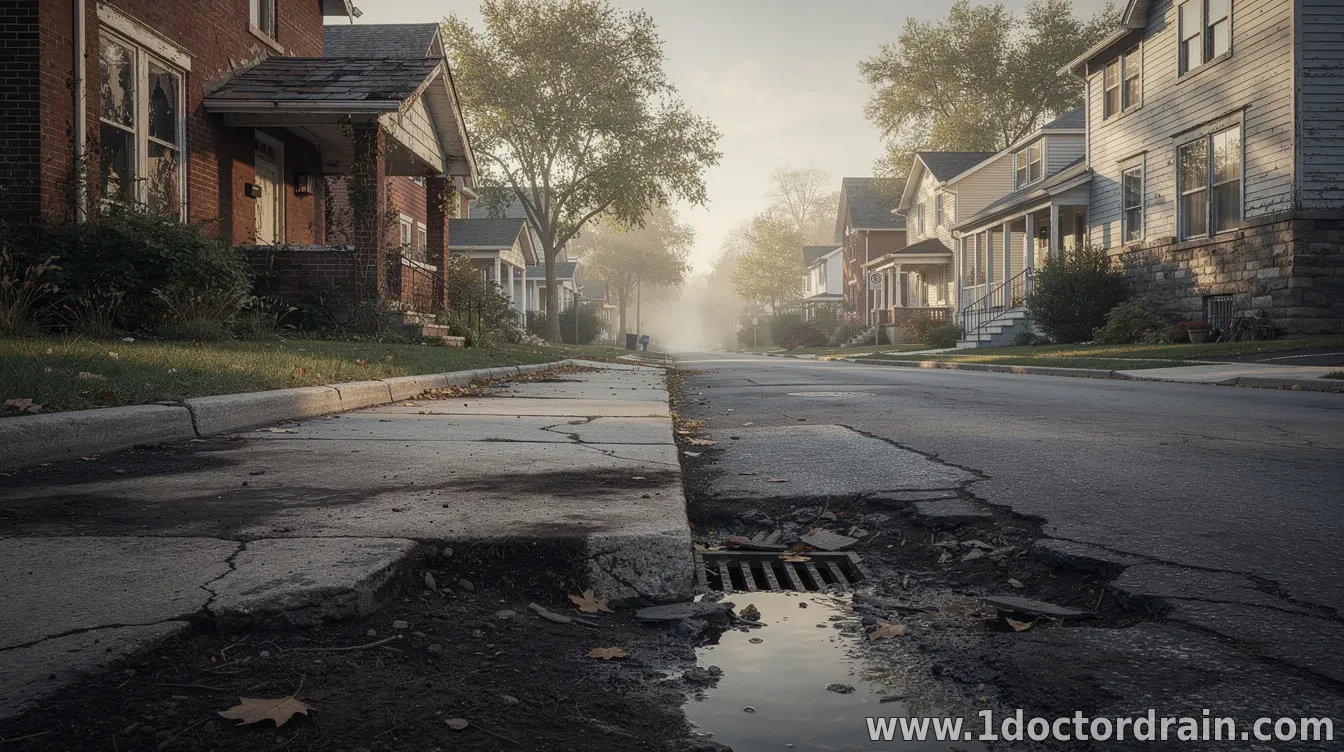
Because climate and soil conditions in the region can intensify freeze-thaw effects and influence ground movement, certain symptoms matter more than others. If you notice repeated backups, sewage odors, wet spots near foundation areas, or drainage that slows after storms, it may indicate a deeper obstruction or a connection issue rather than a one-time clog.
In many cases, the fastest path to clarity is to identify the specific line and section involved. Targeted inspection—often with camera evaluation—can distinguish between a buildup problem, root intrusion, misalignment, or a failing connection. Getting ahead of costly repairs
Age-based clues can help you prioritize attention, but confirmation requires inspection. If your home’s drainage system is older, budgeting for preventive evaluation can reduce the chance of an emergency backup, especially during wet seasons or when trees are near the sewer line.
For Highland Park and Glencoe homeowners, the best next steps are usually straightforward: document symptoms and when they occur, ask about the likely construction-era materials, and consider a camera inspection if backups are recurring. With the right diagnosis, repairs can often be targeted—helping protect both indoor plumbing performance and the surrounding property.
| |
|
| |
CALL ☎ Subscribe 👆
Next & Previous posts
Related materials:
CONTACT US 📩
Submit the form, we'll contact you as soon as possible!