1:16 AM Laundry Drain Backups: How Lint and Detergent Clog Pipes | |
|
Laundry drain backups are a common plumbing problem that can turn everyday washing into a frustrating cleanup. While severe clogs can require a professional, many backups begin with predictable factors: lint accumulation, detergent and softener residue, and gradual pipe buildup that narrows flow over time.
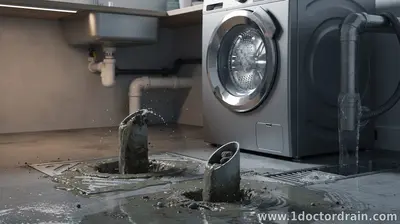
Because a washing machine discharges large volumes of water quickly, any partial restriction in the drain line can lead to backups, gurgling sounds, and standing water in sinks or nearby fixtures—even if the laundry area itself looks normal. Lint: the most frequent culprit
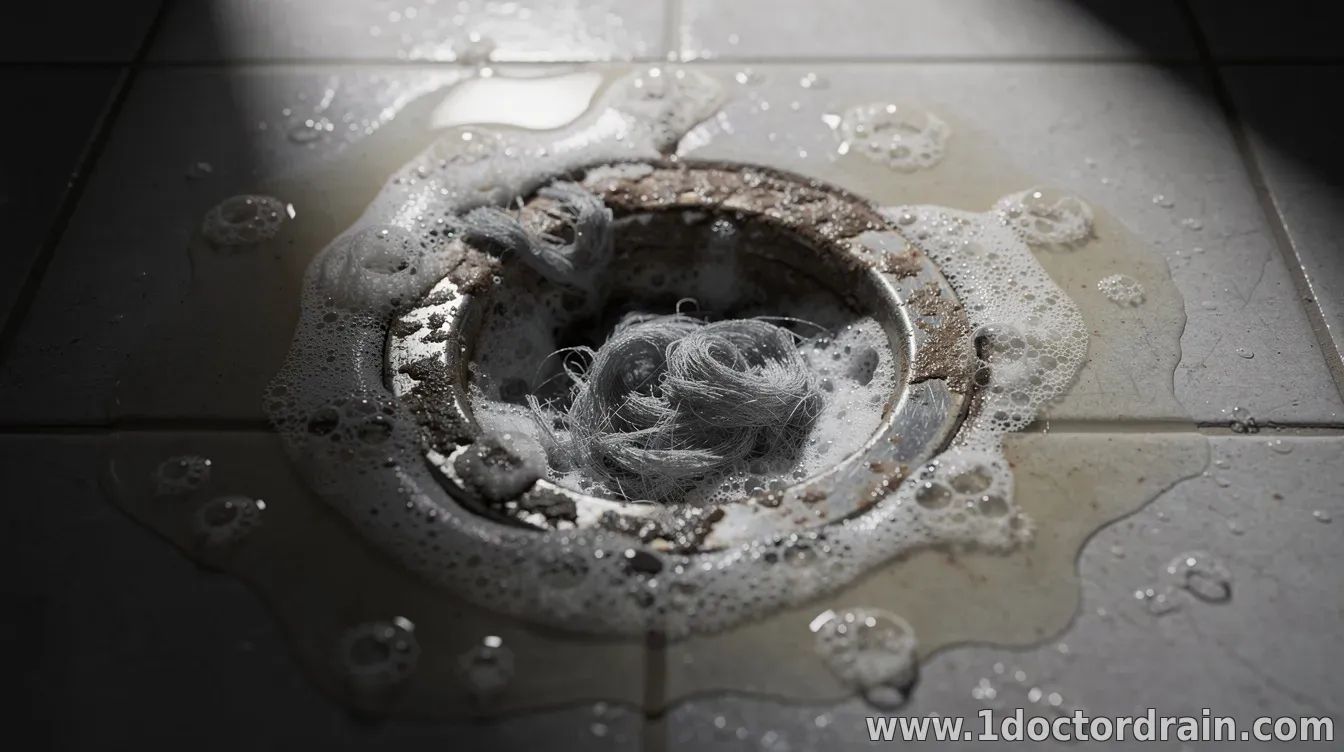
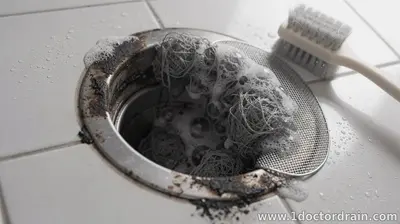
Lint is a primary contributor to laundry drainage issues. During wash cycles, small fibers shed from towels, socks, and bedding. These fibers can pass through the washer momentarily, then settle and accumulate where flow slows—such as bends, horizontal sections of pipe, or older plumbing with rough interior surfaces.
Over time, lint forms a web-like mass that traps additional debris. The result is a clog that reduces drainage capacity and can cause water to back up into the laundry drain or nearby plumbing runs. Detergent and “gunk” residue
Not all clogs are purely mechanical. Detergent can leave behind residues—especially if water temperatures are lower, if high-efficiency (HE) products aren’t used correctly, or if the washer routinely uses more soap than the machine requires. Some detergents and additives can combine with hard-water minerals to form a slick, hard-to-wash film inside pipes.
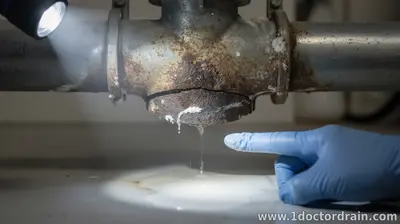
As this residue builds, it can act like glue for lint and other particles. Even when the water still drains, the internal coating can steadily reduce the pipe’s effective diameter, leading to sudden backups later. Where buildup happens in the system
Laundry drains typically include multiple potential “slow points,” including the washer standpipe connection, the first section of horizontal piping, and areas with frequent directional changes. Older homes may also have pipe materials that are more prone to interior roughness, which encourages deposits to stick and collect.
In many cases, symptoms appear gradually—slow draining or recurring odors—before escalating to full backups. That pattern is consistent with a partial obstruction that becomes progressively blocked by trapped lint and residue. Prevention and safer maintenance steps
Reducing laundry drain backups usually comes down to limiting what enters the plumbing and disrupting early buildup. Homeowners can take practical steps, including reviewing detergent usage, keeping lint under control, and using maintenance routines that prevent residue from accumulating.
If you repeatedly notice slow draining or gurgling, addressing the issue early can prevent larger clogs from forming deep in the drain line. For persistent backups or recurring problems after DIY cleaning, a licensed plumber can assess the line for blockages and buildup patterns and advise targeted remediation.
In the meantime, the fastest path to fewer laundry drain issues is consistency: controlling lint sources, using detergent appropriately, and maintaining the washing machine so less residue enters the plumbing in the first place. Over time, these habits can significantly reduce the likelihood of backups caused by lint, detergent buildup, and restricted pipe flow.
| |
|
| |
CALL ☎ Subscribe 👆
Next & Previous posts
Related materials:
CONTACT US 📩
Submit the form, we'll contact you as soon as possible!