1:06 AM Laundry Drain Backups: How Lint and Detergent Cause Clogs | |
|
Laundry drain backups are more than an inconvenience—they can damage plumbing, create odors, and in severe cases lead to overflowing wastewater. While many people blame “a clog somewhere,” the most common culprits in laundry systems are lint accumulation and detergent residue that gradually build up where wastewater slows down.
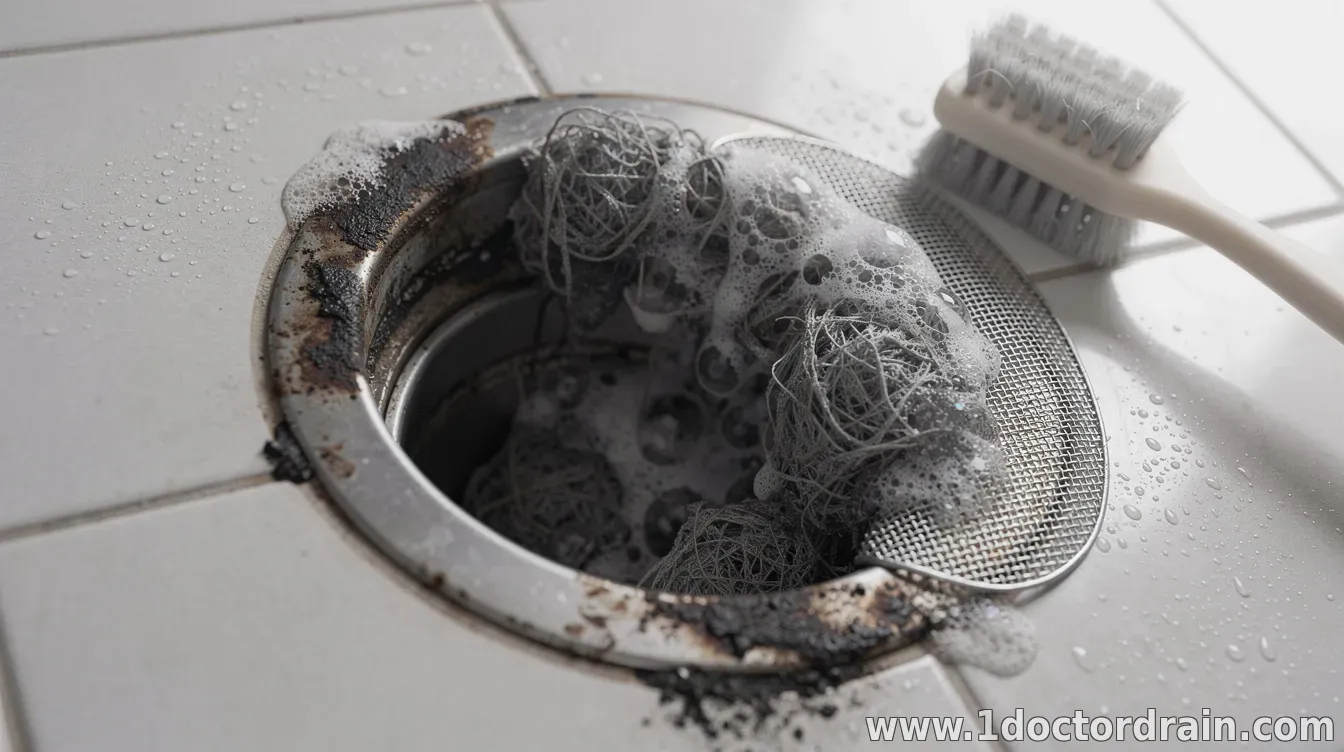
Lint is the primary troublemaker. During cycles, small fibers shed from clothing—especially towels, hoodies, and synthetic fabrics—can wash loose and travel through the drain line. Over time, lint behaves like a filter, catching on pipe walls and forming a mat that reduces flow. The result is a drain that gurgles, drains slowly, or backs up into the washer’s outlet path.
Detergent buildup compounds the problem. Even when soap appears to rinse clean, many formulations leave behind films—particularly high-sudsing detergents, fabric softeners, and products used repeatedly without periodic “deep rinses.” These residues can combine with lint and organic matter to create a thicker blockage that’s harder to clear with basic flushing.
Another frequent factor is water velocity and pipe configuration. Laundry systems often discharge through long runs or older plumbing with gentle slopes. When the drain line carries wastewater at a low rate, solids settle more easily. Meanwhile, bends and narrow sections can become choke points where lint and residue accumulate fastest.
Preventing backups starts with reducing what enters the drain. Homeowners can improve results by cleaning the washer’s filtration areas (where present), washing less lint-prone loads together with adequate rinsing, and avoiding excessive fabric softener. For households using high-sudsing detergents, switching to low-residue formulas or adjusting dose to match load size can also help.
Routine maintenance can break the cycle before clogs form. Consider these practical steps:
If backups already occur, the goal is to clear the obstruction safely. Start with basic checks like confirming the correct installation and drain height, then address likely lint-laden sections. Avoid repeatedly forcing the clog with aggressive methods if you suspect a line is partially blocked—pushing more solids can worsen the problem and increase the risk of plumbing damage.
When symptoms persist—such as frequent slow draining, recurring gurgling sounds, or backups even after routine cleaning—it may be time for a professional inspection. A plumber can identify whether the issue is localized to a trap or extends down the line, and can clear buildup in a way that restores flow without unnecessary damage.
By targeting lint control, reducing detergent residue, and maintaining proper drainage conditions, households can significantly lower the risk of laundry drain backups. The best approach is consistency: small changes, repeated at regular intervals, prevent the gradual accumulation that turns minor residue into a full blockage.
| |
|
| |
CALL ☎ Subscribe 👆
Next & Previous posts
Related materials:
CONTACT US 📩
Submit the form, we'll contact you as soon as possible!