1:11 AM DIY Drain Snakes vs Professional Power Rodding: Where the Line Is | |
|
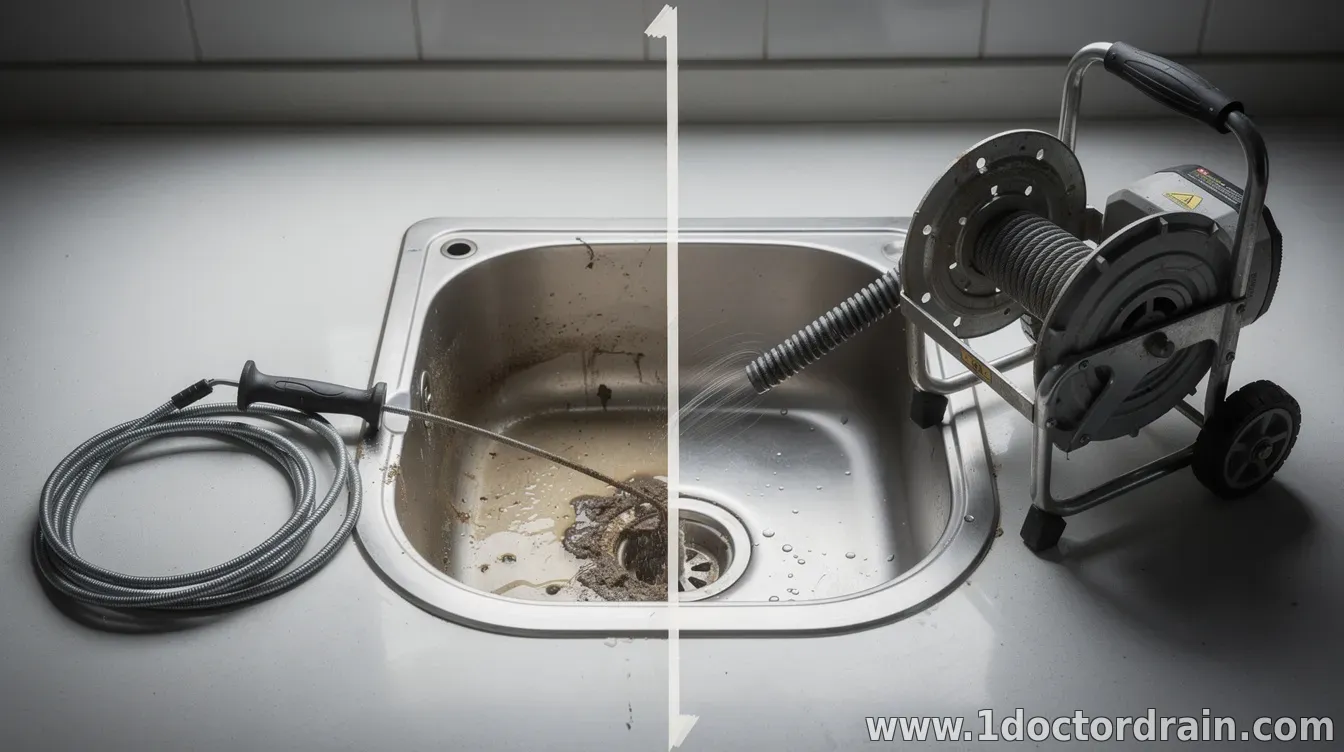
Home drain blockages can range from a simple hair clog to debris further down the line that’s difficult to reach. With many videos online, it’s tempting to try a DIY solution first. But there’s a clear tipping point where DIY drain snakes stop being effective and professional power rodding becomes the better call.
Choosing the right approach isn’t just about speed—it can also help prevent pipe damage, messy backups, and repeat call-outs. The “line” is largely determined by how the blockage formed, where it’s located, and how many fixtures are affected. When a DIY drain snake is a reasonable first step
A handheld or manual drain snake (often called an auger) is typically appropriate for localized clogs near the drain opening or in the early portion of the pipe. If water drains slowly from a single fixture—like one bathroom sink, shower, or tub—then clearing the obstruction close to the trap or accessible section may be enough.
DIY is also generally more suitable when you can identify the likely cause: hair in a shower trap, grease buildup in kitchen drains, or small bits of organic debris. In these cases, the clog is often softer and easier to break apart or retrieve. Signals you may need power rodding
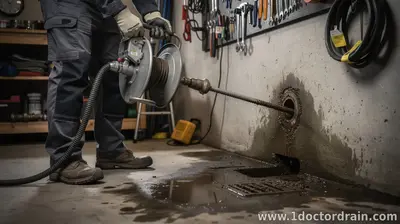
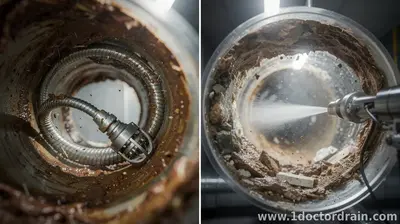
Professional power rodding uses a motorized cable (often with specialized cutting heads) to push deeper into drain lines with greater force and control. It’s commonly recommended when the problem suggests a blockage farther down the system—or when attempts at DIY have already failed.
Consider professional power rodding if any of the following apply:
Why the wrong tool can make things worse
Manual drain snakes can help in the right scenario, but they have limits. Pushing an unsuitable tool against a deeper, rigid blockage can increase the odds of the cable folding, the clog compacting further, or the line getting scratched or stressed—particularly in older pipes. Grease-heavy clogs are also notorious for becoming more stubborn if they’re only partially cleared.
There’s another safety concern: chemical drain cleaners. Many households reach for store-bought chemicals when a clog doesn’t clear quickly. Depending on what’s already in the line, repeatedly using chemicals can worsen blockages and create hazardous fumes or splatter. In practice, teams performing power rodding often prefer avoiding unknown chemical buildup before mechanical clearing. What to expect from professional power rodding
When technicians arrive, they typically assess symptoms first—like which drains are affected and how quickly water backs up. Depending on the situation, they may use a drain camera after mechanical work to confirm the cause and locate the blockage. That matters because “cleared” doesn’t always mean “resolved,” especially with root intrusion or recurring buildup.
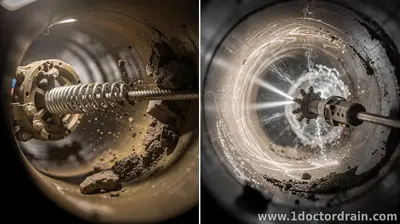
Power rodding is especially useful for longer runs and tougher obstructions. Specialized attachments can cut or dislodge clogs that would be difficult to pull out with a manual snake. While each job differs, the overall goal is to restore flow with minimal disturbance to the plumbing. A practical decision checklist
If you’re deciding what to try first, it helps to match the tool to the likely depth and hardness of the clog. A quick rule of thumb is:
DIY snake: one fixture, slow drain, likely near-trap hair/food/soft buildup, and no improvement after a careful first attempt is not yet known.
When in doubt, calling a professional early can prevent repeat mess and reduce the risk of causing additional damage—particularly in older systems or homes with limited access to plumbing.
Bottom line: DIY drain snakes are often the right starting point for straightforward, localized clogs. Power rodding becomes the smarter boundary when symptoms point to deeper blockages, compaction, or failed DIY clearing—especially when the cost of repeated attempts and potential pipe wear starts to outweigh the convenience of a first DIY try.
| |
|
| |
CALL ☎ Subscribe 👆
Next & Previous posts
Related materials:
CONTACT US 📩
Submit the form, we'll contact you as soon as possible!