0:48 AM Slow Drain vs. Full Clog: How to Tell the Difference | |
|
A sluggish sink, tub, or shower can come from everything to grease buildup to a developing blockage. But a slow drain and a full clog behave differently, and those differences can guide what to do next—whether it’s simple maintenance or urgent intervention.
Here’s how to tell the difference quickly and safely before the problem worsens. 1) How quickly the water drains
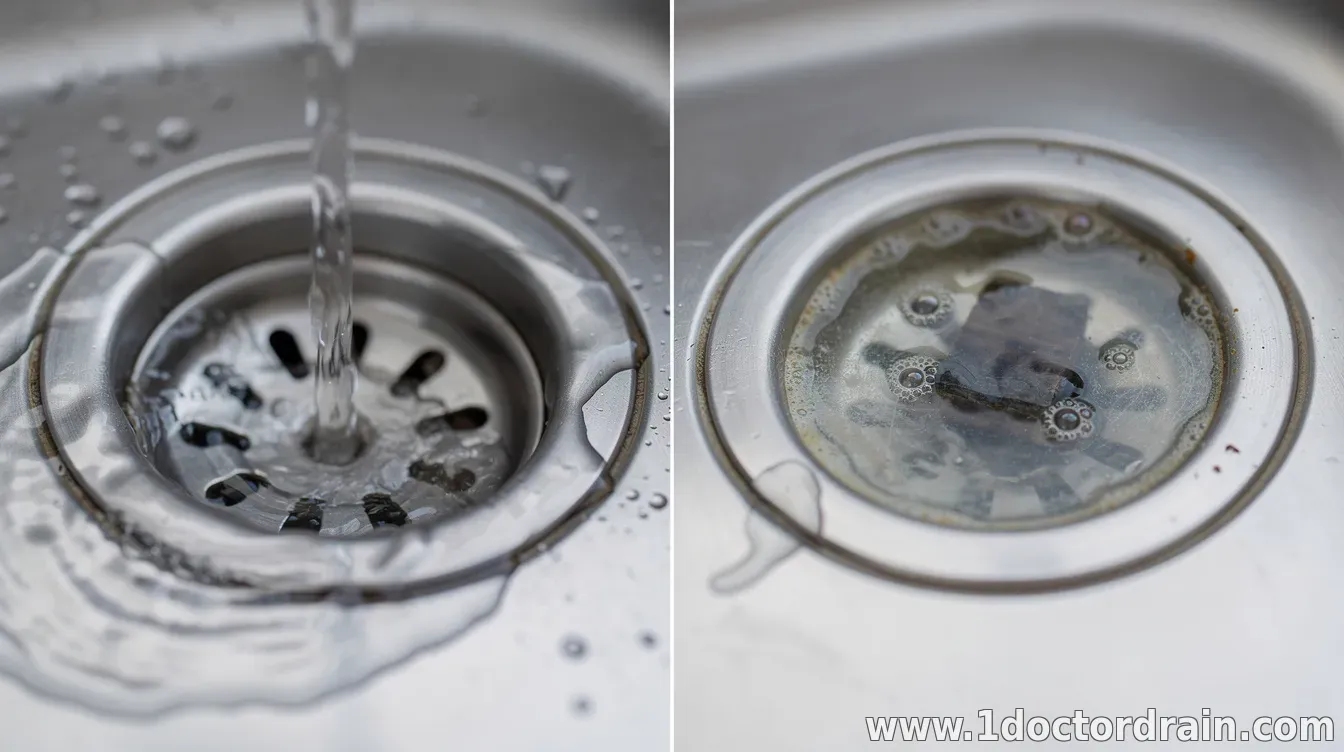
The most noticeable clue is timing. A slow drain typically drains but takes much longer than normal. A full clog often stops drainage entirely, causing water to remain in the fixture.
As a practical check, run water for about 20–30 seconds and observe the level over the next minute. If it steadily lowers, you’re likely dealing with a partial obstruction. If it barely moves or immediately backs up, a fuller blockage is more likely. 2) What happens when you use more water
Another pattern: slow drains can struggle under heavier flow but may still clear. With a full clog, adding more water usually makes the situation worse—water rises, overflows into the basin or tub, and may even back up toward other fixtures connected to the same line.
Watch for whether the backup is localized (only one drain) or spreads. Localized issues often point to a partial blockage in that specific trap or drain section; spreading backups suggest a deeper or more complete obstruction. 3) Standing water, gurgling, and odors
Standing water that persists is more consistent with a full clog, especially when it doesn’t clear after extended waiting. Gurgling sounds—bubbles or burbling in the drain—can occur with both problems, but they’re commonly associated with restricted flow.
Strong, persistent odors can accompany either issue. Still, if you notice a sudden change (for example, a drain that was fine until recently), that often aligns with a developing blockage rather than a slow buildup alone.
Also pay attention to whether the odor improves after flushing with hot water or after the fixture drains. If nothing changes, the obstruction may be more significant. 4) What basic troubleshooting does (and doesn’t) fix
A slow drain often responds to simple measures. Light cleaning, removing hair from shower drains, clearing visible debris near a sink’s strainer, or using a drain snake gently to reach accessible buildup may improve flow.
A full clog typically requires more forceful action. If plunging or targeted clearing doesn’t produce any improvement—especially after careful attempts—then a complete blockage is more likely.
Tip: Avoid repeating aggressive chemical treatments. If you suspect a full clog, mechanical clearing (like a plunger or a proper auger/snake) is usually the safer next step than escalating chemicals.
When you’re unsure, start with the least invasive approach: remove hair or visible debris, use a plunger correctly for the fixture type, and retest drainage. If water remains backed up, keep the water use to a minimum and consider calling a plumber.
Call a professional right away if you observe sewage backups, multiple drains backing up at once, or if the clog is in a basement floor drain or toilet. These signs can indicate a blockage deeper in the plumbing system where specialized tools and safety checks matter.
By comparing drainage speed, water behavior under increased flow, and how the drain reacts to basic troubleshooting, you can distinguish a slow drain from a full clog and choose the right response—before minor blockage turns into a bigger plumbing problem.
| |
|
| |
CALL ☎ Subscribe 👆
Next & Previous posts
Related materials:


CONTACT US 📩
Submit the form, we'll contact you as soon as possible!