0:57 AM Basement Sewer Backup: What It Means and First Steps | |
|
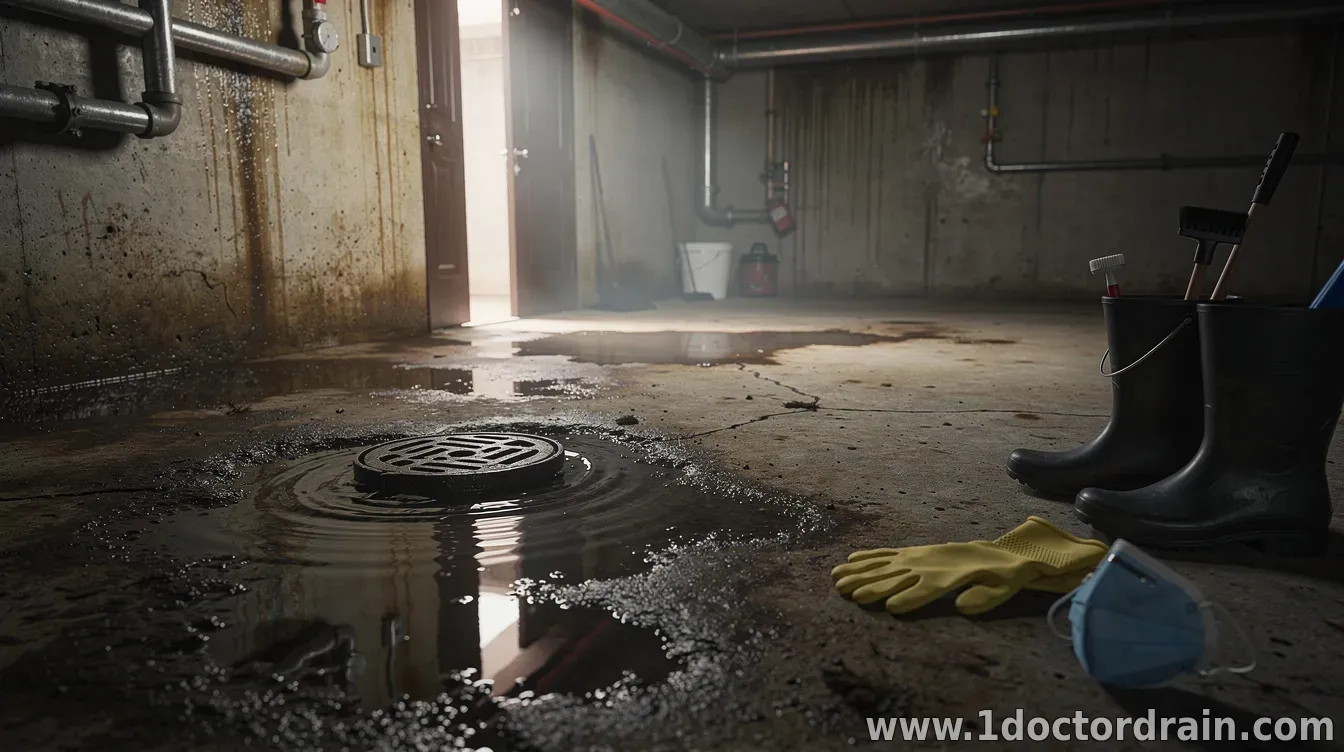
A sewer backup in the basement is more than an unpleasant mess. It typically indicates that wastewater is entering your home through plumbing you expected to drain normally—signaling a blockage, flow reversal, or drainage system failure somewhere between your home and the municipal sewer or septic system.
Because the material can contain bacteria and other pathogens, the immediate priority is safety, containment, and stopping the source of the backup as soon as possible. What a basement sewer backup “really means”
Most commonly, a clog in the main drain line (either inside the home’s drain network or farther out toward the sewer connection) prevents wastewater from moving away. When pressure builds, waste can back up through basement drains, toilets, floor drains, or even sump-related plumbing—depending on your setup.
In some cases, the trigger is external: heavy rainfall or snowmelt can overwhelm public sewer capacity or change flow conditions. Other causes include tree root intrusion, collapsed or damaged pipe sections, a blocked vent stack, or a malfunctioning backflow prevention device (such as a backwater valve) that should stop reverse flow. What to do first (before cleanup)
Start by treating the situation as a potential contamination event. Avoid contact with the water and don’t track it through the house. If the backup involves sewage from toilets or basement floor drains, assume it’s contaminated.
While you may be tempted to “just plunge it,” using common household methods can worsen problems—especially if the clog is in the main line or if pressurized sewage is already backed up. Why timing matters
Backups can spread contaminants quickly and create long-lasting damage. Water can soak into drywall, insulation, carpeting, and wood framing, increasing the risk of odor problems and mold growth. The longer sewage remains, the harder it becomes to remediate and the more extensive the likely repairs.
If the backup included raw sewage, consider bringing in professionals for cleanup and drying. Many insurers also require specific remediation steps and proper documentation. Signs you may need urgent help
Some scenarios warrant faster action than a typical plumbing appointment. If you see sewage rising, hear gurgling across multiple drains, experience repeated backups after the line is cleared, or notice foul odors returning quickly, treat it as a potential main-line issue or damaged piping rather than a one-time clog.
Also seek immediate assistance if there are electrical hazards, if sewage contacted gas water heaters or boilers, or if the water level is high enough to affect building systems. Preventing a repeat backup
Once the immediate emergency is handled, prevention becomes the next priority. Ask the plumber about camera inspection of the line, root intrusion checks, and whether your venting and backwater prevention devices are functioning correctly. If your home is prone to backups during storms, discuss storm-flow backpressure and solutions such as improved backflow protection.
For homeowners, good maintenance habits help: avoid flushing non-dissolvable items, keep grease out of drains, and schedule routine inspections if you’ve had recurring issues. With the right diagnosis, many basement backups can be prevented—or at least mitigated—before they reach living spaces.
| |
|
| |
CALL ☎ Subscribe 👆
Next & Previous posts
Related materials:
CONTACT US 📩
Submit the form, we'll contact you as soon as possible!