3:19 AM Bathroom Sink Drain: Why It Clogs and How to Fix It | |
|
A clogged bathroom sink drain is one of the most common plumbing problems, and it’s rarely caused by a single “mystery” issue. In most homes, clogs build gradually as everyday materials combine inside the drainpipe and collect along bends, traps, and narrower sections.
Understanding what’s actually going on helps you prevent repeat blockages and pick the most effective remedy—especially when you want faster drainage without damaging pipes. Common reasons bathroom sink drains clog
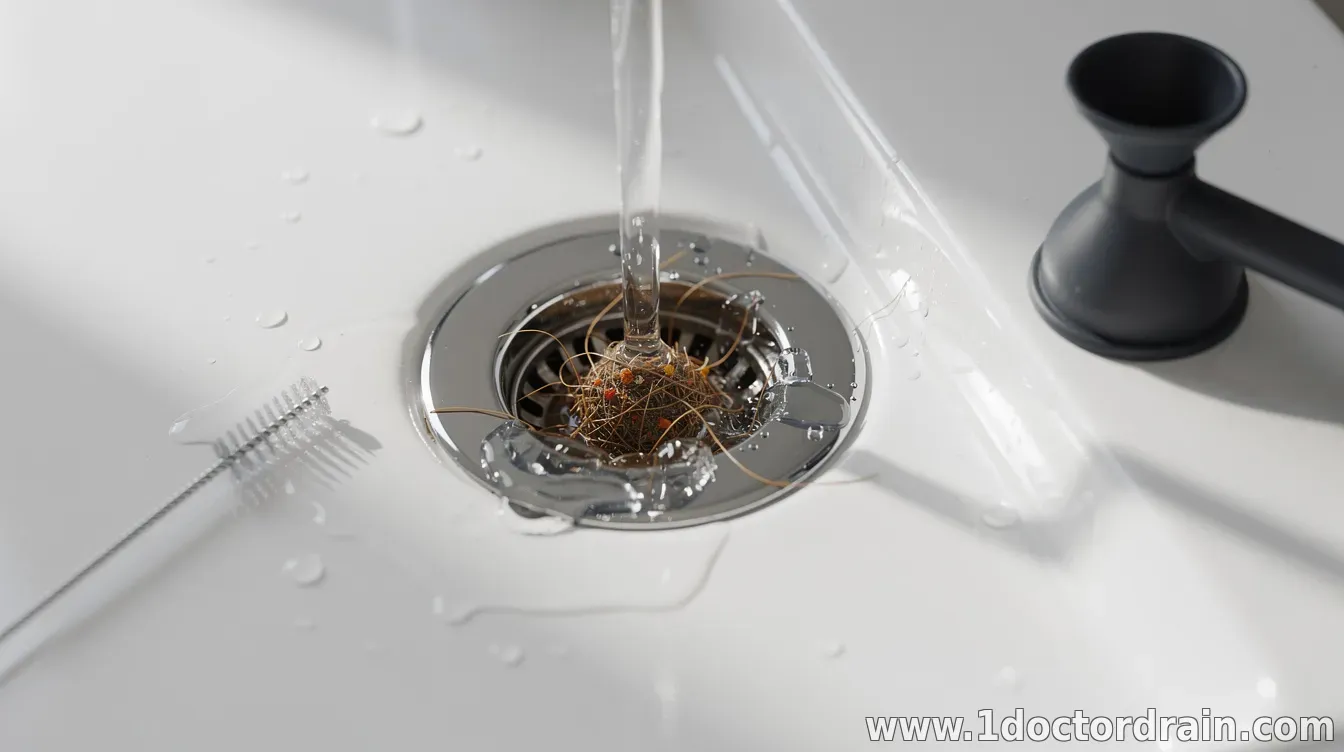
Hair is the most frequent culprit. Strands tangle with soap residue and other debris, forming a dense mass that water can’t easily push through. Even if you don’t notice hair going down the drain, shedding from brushing, washing, and shaving can make its way into the pipe.
Soap scum and toothpaste residue also contribute. These materials can stick to the inside of the pipe, then catch additional debris like lint and skin particles. Over time, that buildup narrows the flow path and slows drainage.
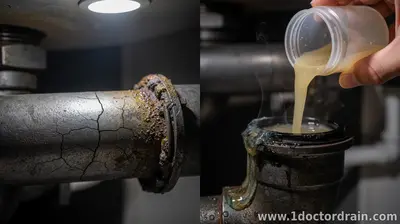
Hard water is another major factor. Minerals can accumulate on pipe surfaces, reducing the diameter and creating rough spots where debris catches. If your faucet shows mineral scale or you’ve noticed slower drainage across multiple sinks, mineral buildup may be driving the issue. Quick checks before you start
Start by observing the pattern of the clog. Does the sink drain slowly, or does water back up quickly? Does the problem happen after shaving or heavy hair washing? Those clues often indicate whether you’re dealing with hair-and-gunk buildup, a stuck blockage in the trap, or general buildup further down the line.
Next, confirm the sink trap area is dry enough to inspect. In many cases, the blockage is close to where the sink drain connects to the P-trap, making it faster to clear than a deeper line issue. How to fix a clogged bathroom sink drain
If drainage is slow but not completely blocked, begin with the simplest options. Use a plunger designed for sinks (or a cup-style plunger) and seal the overflow opening if your sink has one. Apply steady pressure and repeat a few times; sometimes the clog shifts enough to restore flow.
For hair-related clogs, a drain snake or cable tool is often the most direct DIY solution. Lower the tool carefully, feel for resistance, then rotate or pull back to retrieve the blockage. Avoid forcing—especially if you meet firm resistance—because you don’t want to push the clog deeper.
If you suspect soap scum buildup, consider an enzymatic drain cleaner or a cleaner formulated for bathroom sink lines. These products work best for gradual buildup and may take a bit longer than harsh chemical options. Always follow label instructions and ensure the area is ventilated.
For partial clogs, you can also remove and clean the P-trap if you’re comfortable. Place a bucket underneath, loosen the slip nuts, and inspect for hair, sludge, and debris. Clean the trap and reinstall carefully to prevent leaks. When it’s time to call a professional
Call a licensed plumber if plunging and snaking don’t restore flow, if the clog keeps returning quickly, or if you notice gurgling, multiple fixtures draining poorly, or water backing up. Those signs can point to an obstruction deeper in the drain line or an issue beyond the sink trap.
Professional tools like hydro-jetting and camera inspection can identify the exact location and cause of the blockage. That reduces trial-and-error and helps prevent damage that can occur from improper chemical use or repeated forceful attempts. Preventing future bathroom sink clogs
Use a drain strainer to catch hair and reduce debris entering the pipe. Give the drain a quick rinse after shaving or hair washing, and periodically clean the strainer and visible buildup. If you have hard water, consider maintenance steps that reduce mineral accumulation and keep flow steady.
Small habits—like wiping grease or residue off the sink before it washes down—can also reduce the soap-and-scum buildup that traps debris. With consistent prevention, you can avoid the slow-drain cycle and keep your bathroom sink running smoothly.
| |
|
| |
CALL ☎ Subscribe 👆
Next & Previous posts
Related materials:


CONTACT US 📩
Submit the form, we'll contact you as soon as possible!