0:51 AM Office Floor Drains: Liability and Maintenance Guide | |
|
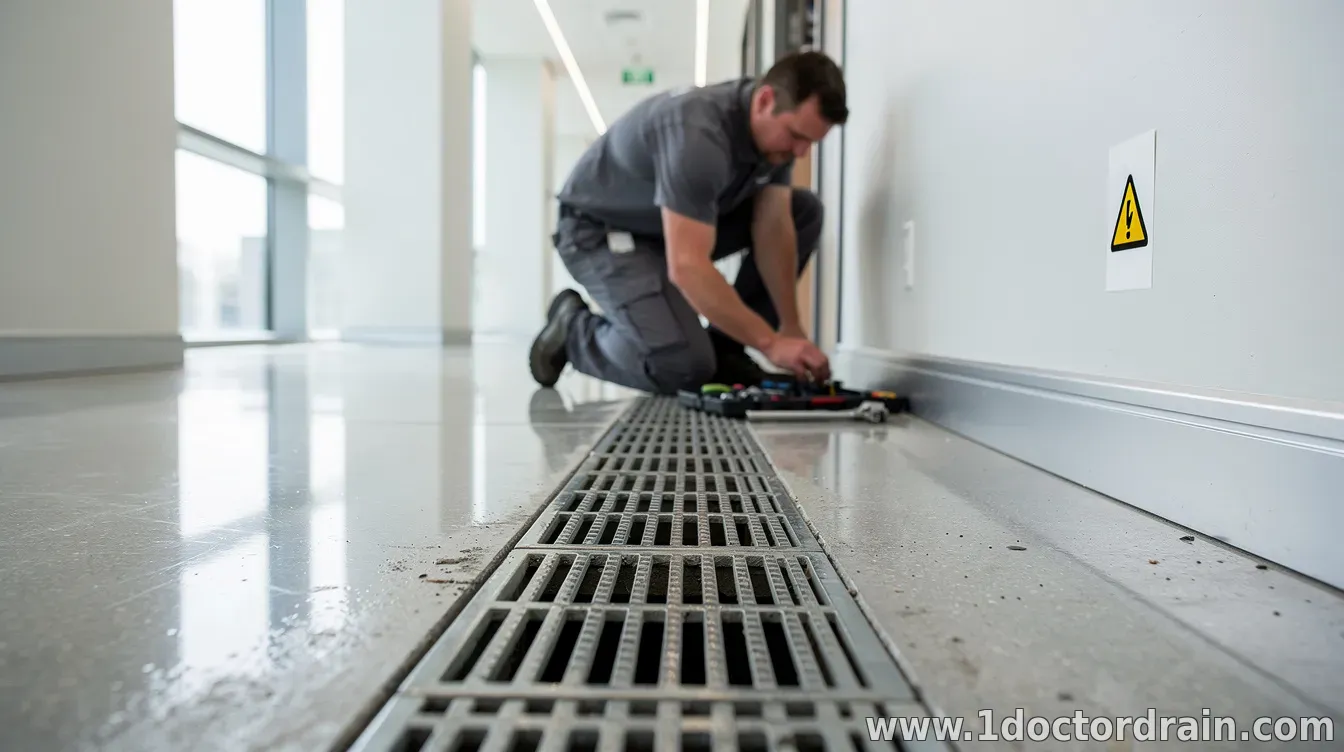
Floor drains in office buildings may seem routine, but they sit at the intersection of safety, building operations, and legal responsibility. When drains fail due to neglect, defective installation, or inadequate maintenance, the consequences can include water damage, slip-and-fall incidents, disruption to operations, and disputes over who is responsible.
While specific liability depends on local law and contract terms, a recurring theme in claims is whether the owner or operator acted reasonably to keep drains functional—especially in areas where water accumulation is foreseeable (restrooms, kitchens, loading-adjacent corridors, mechanical rooms, and lobby entries). Why floor drain maintenance becomes a liability issue
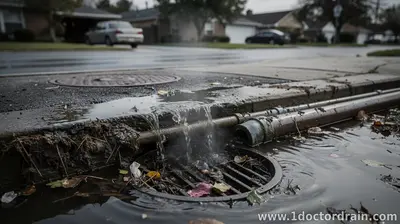
Many incidents trace back to preventable conditions: hair, grease, sediment, construction debris, or scale narrowing the drain’s capacity; defective grates or missing covers; or venting and trap problems that allow odors, slow drainage, or backflow. Even without a major flood, recurring slow drainage can signal an escalating issue that facilities teams are expected to address.
From a risk perspective, plaintiffs and insurers typically evaluate three questions: (1) whether the hazard was present or foreseeable, (2) whether it was discovered and addressed within a reasonable timeframe, and (3) whether the building’s maintenance program and documentation supported the claim that reasonable care was taken. Common liability pathways in office settings
Claims often involve allegations that maintenance was inadequate, that inspections were not performed as required by policy or warranty, or that contractors’ work was not properly supervised. In disputes, the responsibility can shift depending on facts—such as who controlled the area, who performed the last cleaning or plumbing work, and whether the issue was reported internally before an incident occurred.
What “reasonable maintenance” usually looks like
Most effective programs combine scheduled inspection, targeted cleaning, and rapid response to reported symptoms. Rather than relying on emergency fixes after visible flooding, facilities teams typically track performance indicators such as drainage speed, recurring clogs by location, and any odor/backflow complaints.
A practical baseline approach includes routine inspection of accessible drains (grates, strainers, seals), verification that outlets and splash zones remain clear, and documentation of cleaning and repairs. Where drains are prone to debris (e.g., near food service areas), preventive cleaning may need to be more frequent than in low-risk zones. Key maintenance steps facilities teams can implement
Start with mapping and risk classification: document where each drain serves, what it’s exposed to, and how it ties into the building’s drainage system. Then, build maintenance frequency around observed conditions rather than one-size-fits-all intervals.
After any plumbing intervention, it is also common to confirm proper flow and verify that downstream systems are functioning normally—because a drain can appear to “work” while a backup or partial blockage persists elsewhere.
Documentation and communication: protecting the record
In disputes, records often matter as much as outcomes. Maintenance logs, inspection checklists, cleaning receipts, and incident reports help establish that the building operator used reasonable care and acted promptly. Tenants’ internal notifications should also be captured so that timelines are clear.
Additionally, buildings that rely on contractors should ensure service scopes are explicit: what is cleaned, how often, which drains are included, and what triggers escalation. Clear responsibility reduces the risk of gaps where no party believes it owns a particular maintenance obligation.
Ultimately, the goal is to prevent foreseeable water hazards, reduce downtime, and limit exposure to claims. By combining disciplined inspection schedules with fast remediation and strong documentation, office building operators can better demonstrate responsible stewardship of floor drain systems—and reduce the likelihood that a routine feature becomes a costly liability.
| |
|
| |
CALL ☎ Subscribe 👆
Next & Previous posts
Related materials:


CONTACT US 📩
Submit the form, we'll contact you as soon as possible!