
1:25 AM What Happens If Your Sump Pump Runs Constantly | |
|
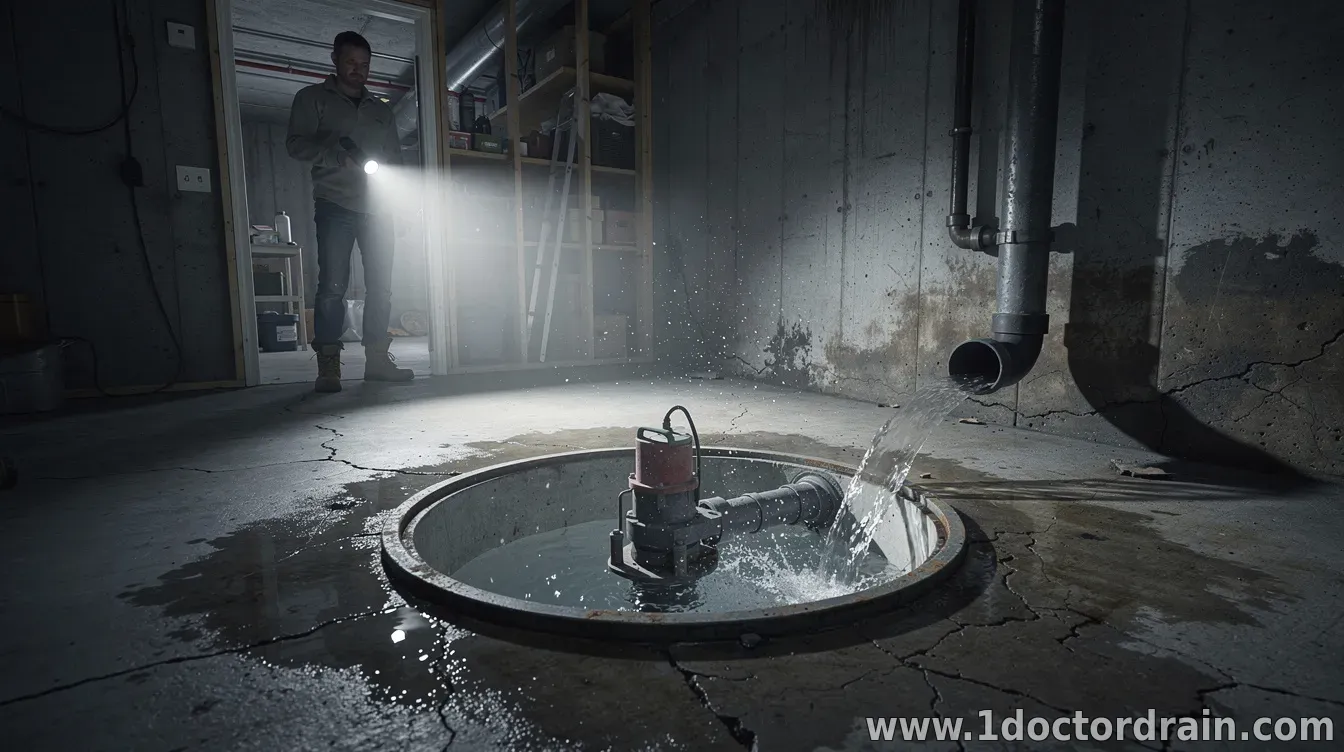
A sump pump is designed to operate when water levels rise—typically in short cycles. When it runs constantly, it’s a strong indicator that something in your drainage system isn’t keeping up with the groundwater coming into your home.
Even if the pump prevents flooding day after day, continuous operation can increase wear and tear and raise electricity usage. More importantly, persistent running can mean your pump is working at or beyond its capacity, leaving little buffer if conditions worsen during heavy rain or thawing seasons. Why a sump pump runs constantly
Common causes include too much water entering the sump pit, a float or switch that’s stuck, or a pump that can’t move water fast enough. Sometimes the sump pit has poor drainage, a discharge line is blocked or frozen, or the check valve is failing—allowing water to flow back toward the pit instead of leaving the system.
In other cases, the pump may be undersized for your site’s water conditions. A smaller pump that was installed for “typical” periods may struggle during prolonged storms, causing long runtimes or near-continuous cycling. Potential consequences for your home and system
Constant pump operation can shorten the pump’s lifespan by forcing it to run more frequently and for longer stretches. Components such as the motor, impeller, and float assembly may degrade faster, leading to mechanical failures when you need the system most.
Utilities can also rise. While exact costs vary by region and pump horsepower, running constantly can add noticeable expense during wet periods, especially if the issue is not corrected.
There’s also a flooding risk. If the pump is already maxed out, heavy rain can overwhelm the system, and water may back up before the pump can clear it. Persistent operation can also indicate water intrusion beyond just the sump pit—meaning moisture may be entering the basement through cracks, walls, or poor grading outside. What to check first (before the next storm)
Start with the simplest and most common checks: confirm the float moves freely and isn’t stuck; inspect the discharge line for blockages and ensure it’s pitched correctly away from the home; and verify the check valve is functioning so water doesn’t return to the pit.
If the pump cycles without resting, check whether the sump pit depth or inlet capacity is contributing to continuous operation. You may also want to confirm that the system’s discharge path is clear and that the outlet isn’t dumping water into a spot that eventually flows back toward the foundation. When to call a professional
If you’ve cleared obvious obstructions and the pump still runs constantly, it’s time to consult a qualified plumber or water-management contractor. They can assess whether your pump is undersized, test the electrical and switching components, and evaluate whether a broader solution—such as improved exterior grading, French drains, or foundation waterproofing—is needed.
A professional can also help you determine whether you should add battery backup, install a higher-capacity pump, or implement monitoring so you’re alerted before conditions turn into a flooding event.
In short: when a sump pump runs constantly, treat it as a warning—not just normal heavy-duty use. Addressing the cause early can protect your basement, extend pump life, and reduce the chance of an emergency during the next big rainfall
| |
|
| |
CALL ☎ Subscribe 👆
Next & Previous posts
Related materials:
CONTACT US 📩
Submit the form, we'll contact you as soon as possible!