2:50 AM Commercial Drain Cleaning: Trends, Tools, and Best Practices | |
|
Commercial drain systems are the lifeblood of many urban operations, and downtime can cascade into lost revenue and unhappy customers. This report examines how property managers, facility teams, and service providers are prioritizing proactive maintenance, rapid response, and data-driven decisions to keep pipelines clear and compliant.
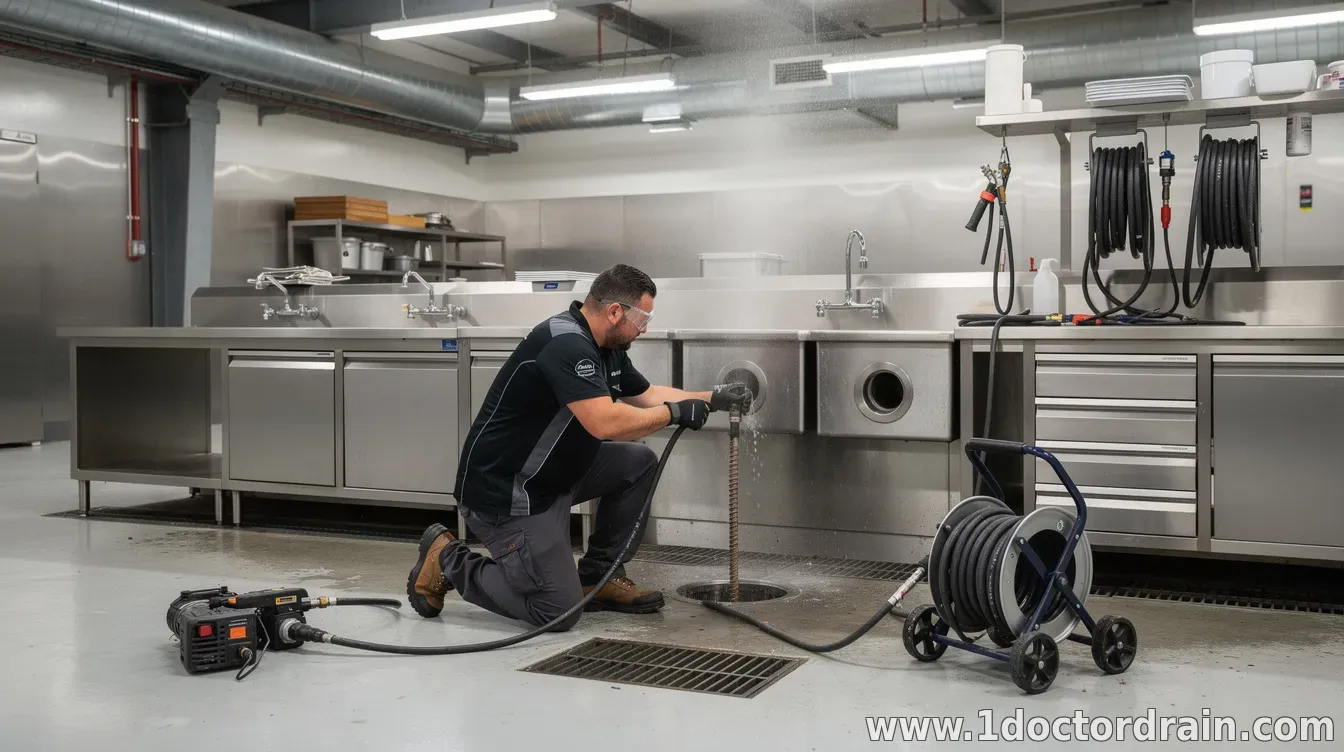
Key to modern drain cleaning is the shift to advanced equipment and techniques. Hydro-jetting, high-pressure water jetting, remains a preferred method for stubborn blockages, threatening grease buildup, and scale. Mechanized drain cable systems and cameras help technicians diagnose problems without intrusive digging, reducing downtime and disruption for tenants.
Regulatory and safety considerations are another focus. Technicians must adhere to lockout/tagout procedures, ventilation requirements in certain facilities, and wastewater disposal rules that vary by jurisdiction. Property owners are increasingly requesting documented service reports, GPS-tracked itineraries, and before-and-after video evidence to ensure accountability.
Service models are evolving as well. Many firms offer 24/7 emergency response, planned maintenance contracts, and data dashboards that flag recurring issues and forecast when a line may fail. For restaurant and healthcare facilities, minimizing odor, noise, and service interruption is paramount, prompting tailored workflows and scheduling strategies.
Industry professionals stress the importance of preventative steps at the property level. Regular inspections, filtration upgrades, and careful waste management can slow the onset of blockages. Clear communication between facility managers and service teams ensures that systemic issues are prioritized and resolved promptly.
In a recent survey of facilities managers, respondents highlighted notable trends: the adoption of real-time monitoring, increased use of non-destructive diagnostic tools, and a preference for bundled service agreements over ad hoc calls. As urban infrastructure ages, the demand for skilled technicians who can navigate complex building systems continues to rise.
Looking ahead, experts predict greater integration of automation and data analytics in drain cleaning. Predictive maintenance, powered by historical service data and sensor inputs, could help buildings avoid costly emergencies and extend the life of drainage networks. For now, the focus remains on reliable response, sound safety practices, and transparent reporting that keeps facilities running smoothly.
| |
|
| |
CALL ☎ Subscribe 👆
Next & Previous posts
Related materials:


CONTACT US 📩
Submit the form, we'll contact you as soon as possible!