2:24 AM Main Line Rodding vs. Spot Repair: Which Is Needed? | |
|
When sewer or drain problems start, the most important question is not just what is happening—it’s where. That location determines whether a contractor recommends main line rodding (clearing an obstruction in the pipe) or spot repair (fixing a damaged section of pipe).
Main line rodding and spot repair can both be effective, but using the wrong method can waste time and cost more in the long run. Here’s how to tell the difference. What main line rodding is for
Main line rodding is typically used when the issue is an obstruction inside an otherwise intact pipe. A professional will insert a mechanical rod or cable into the line to break up or pull out material causing the blockage.
This approach is often chosen when symptoms suggest a buildup—such as slow drainage, gurgling sounds, backups that appear during normal use, or recurring clogs that respond temporarily after a clean-out treatment. What spot repair is for
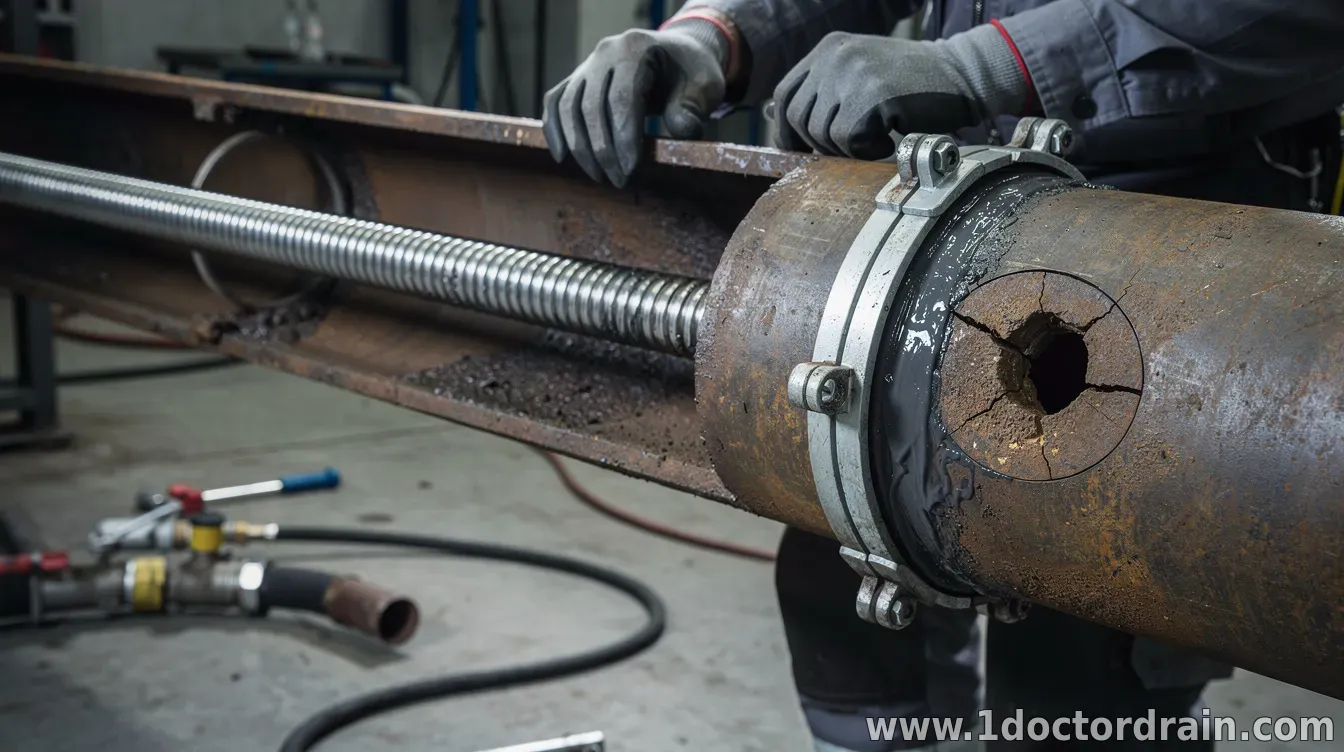
Spot repair is recommended when the pipe itself is compromised—such as a crack, collapsed section, offset joint, root intrusion that has physically damaged the line, or corrosion that has created failure points.
Instead of clearing an obstruction alone, spot repair targets the defective segment. The goal is to restore the pipe’s integrity so the problem doesn’t return as soon as the blockage shifts or water flow stresses the line again. Key signs that point to one option over the other
While every case is different, these patterns can help you narrow down the likely cause:
Why inspection usually comes first
The most reliable way to decide is through a camera inspection of the line. Video footage can show whether the pipe is blocked but intact—or whether there’s a specific damaged segment causing ongoing flow problems.
This matters because a blockage can hide underlying issues, and a damaged pipe can still cause partial flow that temporarily improves after cleaning. Inspection helps distinguish “clean-out needed” from “repair required.” Can both be needed?
Yes. In some situations, crews may perform main line rodding to remove debris so they can properly assess or access the damaged portion. After that, spot repair may be completed to address the structural problem.
Conversely, a spot repair job may still require clearing the line first to ensure safe, effective work. The best contractors will explain the reasoning and sequence rather than pushing one option by default. What to ask a technician before work begins
If you want to avoid surprises, ask for clarity on diagnosis and scope. Useful questions include:
Good service providers will be able to connect the symptoms to the findings and recommend the most cost-effective approach for the pipe’s condition.
In short, main line rodding is best for obstructions inside an intact line, while spot repair is best when the pipe section is physically damaged. When inspection is done thoroughly and the diagnosis is specific, choosing the right fix becomes far less guesswork—and your drain system is less likely to fail again soon.
| |
|
| |
CALL ☎ Subscribe 👆
Next & Previous posts
Related materials:
CONTACT US 📩
Submit the form, we'll contact you as soon as possible!