6:27 AM Multi-Unit Building Drain Maintenance: Property Guide | |
|
Drain systems in multi-unit buildings face heavier and more frequent use than many single-family homes. Without a structured maintenance plan, common problems—like slow drains, recurring clogs, foul odors, and sewage backups—can escalate quickly across units, hallways, and shared common areas.
This guide is designed for property managers and building operators who want a repeatable, documented approach to keeping main drains, venting, and unit-level plumbing functioning reliably while reducing disruption to tenants. 1) Start with a building drain map and baseline assessment
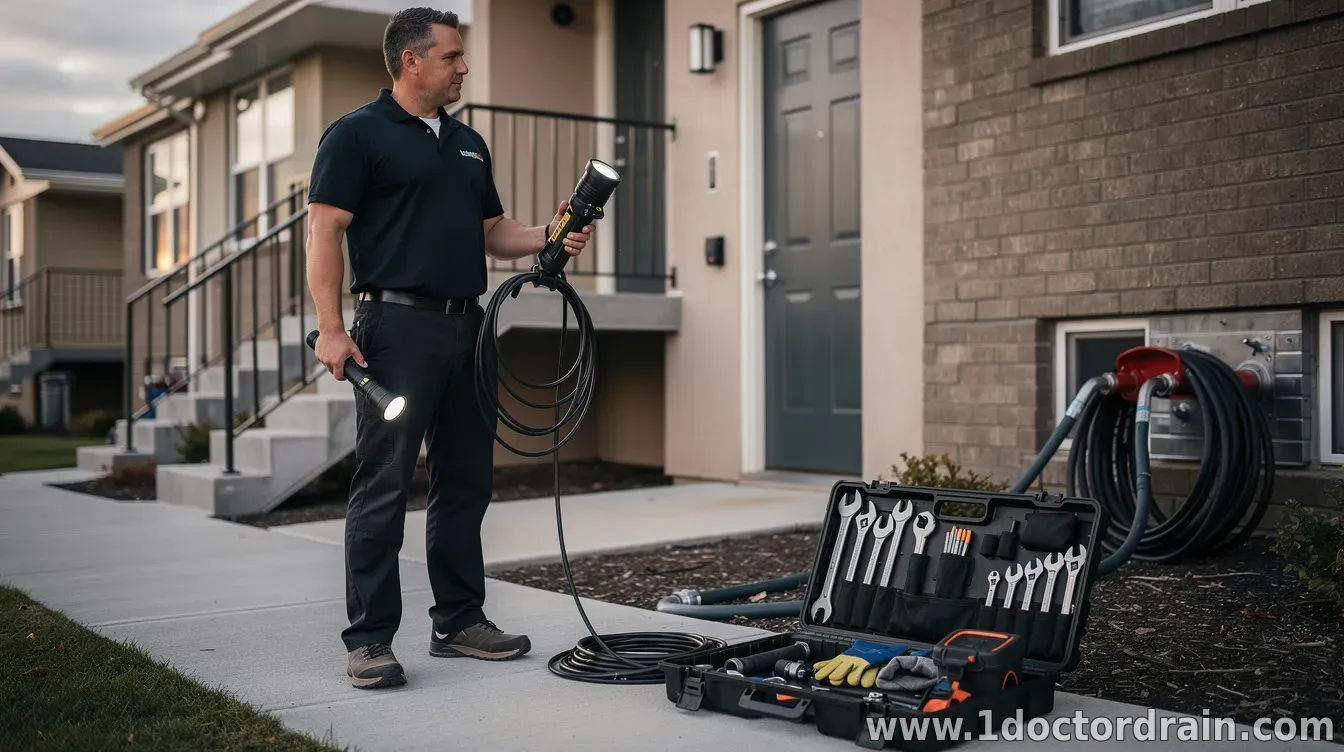
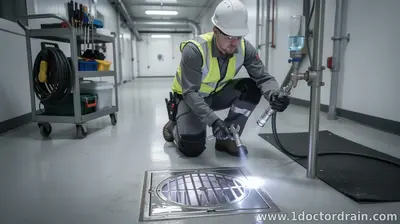
Before scheduling work, inventory your drainage infrastructure. Identify key components such as main stack(s), cleanouts, floor drains, sump pits (if applicable), interceptor drains, roof drains, and vent lines. Then document how drainage is connected from units to common piping and where access points exist for inspection and maintenance.
Establish baseline conditions by noting current issues (e.g., recurring clogs in certain locations, frequent calls for kitchen or bathroom backups, gurgling sounds that may suggest venting problems). This initial assessment helps prioritize work and track whether maintenance actions are actually improving performance. 2) Use preventive inspections and clear tenant reporting
A successful maintenance program blends proactive work with fast response. Set inspection intervals based on building age, past incident history, and usage patterns. For example, focus more frequently on high-risk areas such as kitchen drain lines, common laundry rooms, basement utility areas, and older piping segments.
Equally important: implement a tenant-friendly reporting process. Encourage residents to report early warning signs—slow drains, repeated backups, recurring odors, unusual noises, or water pooling in floor drains. Provide short, simple instructions on what constitutes an emergency (e.g., sewage backup) versus a maintenance request. 3) Prioritize cleaning methods that protect piping
When blockages or buildup occur, the goal is to restore flow without damaging pipes or spreading debris. The most effective approach depends on pipe material, pipe diameter, and the nature of the obstruction. In many cases, using professional drain cleaning tools (such as mechanical rodding or hydro-jetting where appropriate) is safer and more thorough than repeated chemical treatments.
Property managers should be cautious with chemical drain cleaners. In addition to potential damage to certain pipe materials, chemicals can complicate diagnostics and create safety hazards during later plumbing work. A documented “what we use and why” policy can help standardize responses across your maintenance team and vendors. 4) Maintain venting and cleanouts to prevent systemwide issues
Vent lines help equalize pressure so wastewater can flow properly. When vents are blocked or compromised, symptoms may appear far from the actual problem—like slow drainage in multiple fixtures or gurgling sounds in sinks or tubs. Regular checks of accessible vent terminations (and roof drain systems where applicable) can reduce recurring complaints.
Cleanouts are your access points for inspection and clearing obstructions. Ensure they remain accessible, not sealed over, and clearly labeled. If cleanouts are buried, obstructed, or repeatedly inaccessible, fix the access issue rather than repeatedly responding to the same backups. 5) Build a documented maintenance schedule and escalation plan
Turn your approach into a written schedule that lists what’s checked, how often, and who performs the work. A typical program may include routine inspections of main lines and critical common-area drains, periodic clearing of known problem runs, and targeted attention to high-use areas such as kitchens and laundry facilities.
Equally, create an escalation plan. Define thresholds that trigger additional action—for example, multiple similar tenant reports in the same zone, repeated clogs in a particular riser, or evidence of venting problems. The escalation plan should also specify communication timelines so tenants receive timely updates and disruption is minimized. 6) Choose vendors and contractors with the right capabilities
For multi-unit systems, not all “drain cleaning” services are equal. Select licensed and insured contractors who can assess the underlying cause of recurring issues, not just clear a single blockage. Ask whether they use appropriate inspection methods (such as CCTV when warranted), how they handle disposal of debris, and how they document findings for the property record.
When requesting service, be explicit about the locations involved (e.g., unit number range, riser reference, basement cleanout ID). Clear scope reduces downtime and improves the quality of follow-up recommendations. 7) Track incidents, outcomes, and costs to improve performance
Maintenance should become smarter over time. Maintain a log of reported symptoms, service dates, areas affected, findings, and results. Over months, you’ll likely see patterns—specific floors, particular risers, certain fixture types, or recurring seasonal issues.
Use this data to refine your schedule. If a section of piping repeatedly clogs, prioritize deeper investigation and more robust remediation rather than repeating short-term cleanings. 8) Reduce avoidable blockages with practical resident education
Many drain problems are preventable through behavior and basic guidance. Provide reminders on what should not go into sinks, toilets, or garbage disposals. In kitchens, emphasize proper disposal of grease and food waste; in bathrooms, discourage flushing items other than toilet paper. For multi-unit settings, periodic signage near common fixtures can reduce tenant confusion and repeat problems.
Pair education with clear reporting: if residents notice slow drains or backups developing, early notice allows intervention before a localized issue becomes a building-wide one.
By combining drain mapping, preventive inspections, safe cleaning practices, vendor quality control, and systematic record-keeping, property managers can substantially reduce backups, odors, and urgent plumbing emergencies. Over time, a consistent program also helps control costs and improves resident trust through quicker, more predictable responses.
| |
|
| |
CALL ☎ Subscribe 👆
Next & Previous posts
Related materials:


CONTACT US 📩
Submit the form, we'll contact you as soon as possible!