3:50 AM Why Commercial Floor Drains Need More Frequent Cleaning | |
|
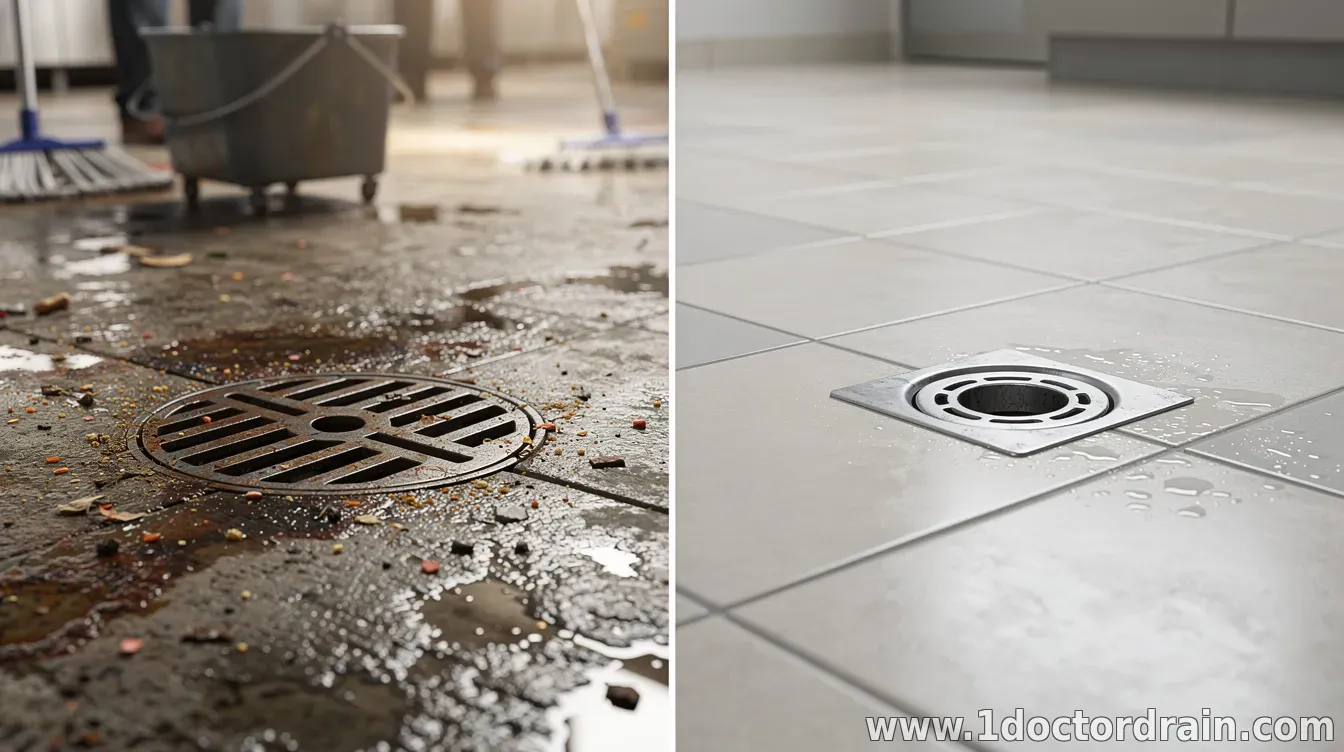
Commercial floor drains handle far more day-to-day waste than most residential drains, which is why they typically require more frequent cleaning. In many workplaces, these drains are designed as critical sanitation infrastructure—yet they’re often overwhelmed by materials that don’t appear in homes, such as heavy grease loads, cleaning chemicals, and industrial debris.
Unlike a typical household setting, commercial properties may see continuous traffic and higher “runoff” activity from operations like food prep, janitorial work, laundry, vehicle maintenance, or wet manufacturing processes. Over time, that usage accelerates the buildup inside drain lines and the traps that capture solids. Higher contamination loads build up faster
Commercial drains are more likely to encounter grease, food particles, hair, sand, and other solids—often in larger quantities and more consistently. These materials can accumulate around the drain strainer and further down in the piping, where they combine with moisture and organic matter to form residue. Even when water flows freely at the surface, buildup inside the drain assembly can be progressing. Clogs and odors become a business risk
When commercial drains begin to clog, the impacts are not just inconvenient. Standing water, slow drainage, and unpleasant odors can disrupt operations, increase customer or tenant complaints, and create sanitation concerns. In settings like restaurants, hospitals, gyms, and warehouses, drain problems can also force closures or costly remediation if issues are left untreated. Regulatory and sanitation standards raise the stakes
Many commercial facilities must meet health, safety, and environmental requirements. Frequent cleaning schedules help demonstrate reasonable maintenance practices and reduce the likelihood of problems such as biofilm growth or contaminated wastewater backflow. For property managers and facility operators, staying ahead of drain maintenance can be easier and less expensive than responding to an incident after compliance issues arise.
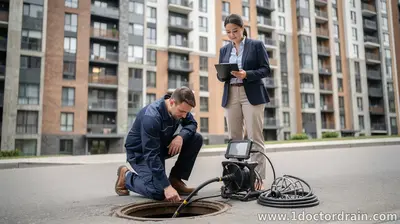
Beyond the visible drain surface, internal components also matter. Traps, seals, and nearby piping can collect biofilm—an invisible layer that traps odors and supports ongoing buildup. Periodic cleaning helps remove these deposits before they become harder to clear and before they contribute to corrosion or recurring blockages. Cleaning cadence is often driven by usage patterns
In residential settings, drains may be used intermittently and primarily for household water and small debris. Commercial sites can experience frequent, high-volume drainage throughout the day. As a result, many facilities benefit from maintenance routines that are aligned to their specific workflow—for example, more frequent checks during busy operating hours or after peak production and cleaning cycles.
For facility teams, the goal is not only to restore flow but also to prevent the conditions that cause repeat problems. More frequent commercial drain cleaning supports better hygiene, reduces downtime, and helps maintain reliable drainage performance—especially in environments where drains are a constant part of daily operations
| |
|
| |
CALL ☎ Subscribe 👆
Next & Previous posts
Related materials:


CONTACT US 📩
Submit the form, we'll contact you as soon as possible!